The X-Men franchise, a cornerstone of Marvel Comics, has navigated a tumultuous period, particularly following the impactful Krakoa Era. As 2026 unfolds, the sentiment among many long-time enthusiasts is one of growing frustration. While contemporary X-Men titles are certainly not universally condemned as disastrous, a pervading sense of stagnation and an over-reliance on past glories often overshadows their potential. This feeling has intensified under the editorial direction that appears to prioritize nostalgia over genuine innovation, a trend exemplified by the recently released *X-Men: The Hellfire Murder #1*. This much-anticipated issue attempts to rekindle the vibrant spirit of the Krakoan Hellfire Galas, albeit with a dark twist: a central murder mystery designed to captivate readers.
The Shifting Landscape of X-Men Comics and the Shadow of Krakoa
The current state of X-Men comics is undeniably complex. The Krakoa Era, marked by the mutants' establishment of an independent nation and a radical shift in their societal structure, offered a bold, expansive narrative that redefined the team's place in the Marvel Universe. However, its conclusion left a void, and the subsequent direction has struggled to forge a compelling new path. Many readers perceive a conscious effort to retreat from the Krakoan innovations, opting instead for narrative beats and character dynamics reminiscent of earlier periods. This strategic shift, often attributed to editorial changes, has led to a perceived lack of 'newness' that leaves many fans yearning for fresh perspectives and bold storytelling. *X-Men: The Hellfire Murder #1* emerges within this context, positioned as both a homage to a recent past and an attempt to launch a new type of mystery within the franchise.
The Legacy of the Hellfire Galas
The Hellfire Galas were a standout feature of the Krakoa Era, serving as lavish diplomatic events where mutants showcased their cultural prowess, fashion, and newfound global influence. These galas were more than just parties; they were crucial narrative devices for political maneuvering, character development, and breathtaking visual spectacle, often featuring innovative costume designs from leading artists. *X-Men: The Hellfire Murder #1* taps into this established grandeur, setting its core mystery during a similar high-stakes event. The intention is clear: leverage the established popularity and visual appeal of the galas while injecting a classic murder mystery trope, transforming a celebratory gathering into a crime scene. This narrative choice inherently brings a level of expectation, as the previous galas set a high bar for both style and substance.
A Whodunit Mired in Familiarity: Plot and Pacing
At its core, *X-Men: The Hellfire Murder #1* presents itself as a classic 'whodunit' mystery centered around a significant X-Men death. Such a premise holds immense potential, promising suspense, intrigue, and a deep dive into character motivations. However, the execution in this inaugural issue, penned by a team of prominent writers including Saladin Ahmed, Gail Simone, Jed MacKay, Erica Schultz, and Eve Ewing, struggles to deliver on this promise. The narrative often feels disjointed, with the critical element of stakes conspicuously absent for much of the story. Readers are introduced to a murder, but the true implications and the reason behind the crime are withheld until the very end, diminishing the immediate impact and the urgency of the investigation. This delayed reveal hinders the narrative's ability to build genuine tension, making the resolution feel less earned and more like an exposition dump.
The Pitfalls of a Detective Narrative
For a comic positioned as a murder mystery, the detective elements within *The Hellfire Murder #1* are regrettably underdeveloped. A significant portion of the investigative heavy lifting is assigned to Wolverine, primarily written by Saladin Ahmed. This portrayal of Logan, however, has been a consistent point of contention for fans, often criticized for being a simplified, almost 'bargain basement' version of the iconic character. In this issue, Wolverine's investigative process largely consists of soliloquies as he conveniently stumbles upon crucial clues, rather than engaging in a methodical and challenging deduction process. This approach undermines the genre's inherent appeal, as the mystery never truly feels challenging for the characters or the reader. Furthermore, the eventual twist, while somewhat effective due to the characters involved, fails to land with any real surprise or emotional resonance, contributing to the overall sense of a plot that sacrifices genuine intrigue for formulaic progression. The decision to reveal the motive only at the story's conclusion feels like a fundamental misstep, depriving the preceding narrative of crucial context and emotional weight.
Character Dynamics: A Glimmer of Excellence
Despite the critiques leveled against its overarching plot, *X-Men: The Hellfire Murder #1* manages to shine brightly in its depiction of character interactions. The strength of the X-Men universe has always been its rich ensemble, and this issue capitalizes on that, providing several memorable exchanges that resonate deeply with long-time followers. Notable pairings, such as Rogue and Cyclops, Temper and Ransom, Psylocke and Cyclops, and Emma Frost and Namor, deliver engaging moments that are genuinely entertaining and provide a welcome counterpoint to the more lackluster plot elements. These scenes often tap into established character histories and personalities, offering a satisfying payoff for readers invested in these relationships. The moments of genuine connection and well-crafted dialogue among these characters stand out as the issue's most compelling feature, proving that even within a flawed narrative, the heart of the X-Men often lies in its personal drama.
Nuances in Character Portrayal
Beyond the principal pairings, the issue also offers other instances of strong character work. Sebastian Shaw's opening speech is particularly effective, showcasing his manipulative charm and underlying menace. The banter between Rogue and Cyclops playfully deconstructs the 'X-Men vs. X-Men' trope prevalent in current storylines like 'From the Ashes,' adding a layer of meta-commentary that long-time readers will appreciate. Cyclops and Psylocke's presence at the Gala is given a deeply 'Cyclops' reason, while simultaneously paying homage to their extensive, shared history with a moment that feels both nostalgic and poignant. Similarly, any interaction involving Emma Frost and Namor, with their complex blend of regality, power, and often antagonistic charm, remains a highlight. These character-driven successes, however, also serve as a bittersweet reminder of the comic's untapped potential, making readers ponder how much more impactful the issue could have been if the plot had matched the strength of its individual character beats.
The Visual Narrative: Artistry as a Saving Grace
In an issue featuring an extensive roster of writers, it is equally fitting that *X-Men: The Hellfire Murder #1* boasts a diverse and talented team of artists: Joelle Jones, Luciano Vecchio, Aaron Kuder, Tony S Daniel, Federica Mancin, and Cory Smith. Despite the inherent challenge of maintaining visual consistency with multiple artists, the team excels, delivering a surprisingly uniform and compelling aesthetic. The artists clearly understand their assignment, working harmoniously to produce visually striking pages that elevate the entire reading experience. Luciano Vecchio and Tony S Daniel, known for their work on *Uncanny X-Men* and *X-Men* respectively, along with Federica Mancin from *Exceptional X-Men* and *Storm: Earth's Mightiest Mutant*, bring a sense of familiarity and quality. Crucially, the art often carries the narrative weight that the script struggles with, making it a pivotal component of the issue's overall impression.
The Evolution of Gala Attire
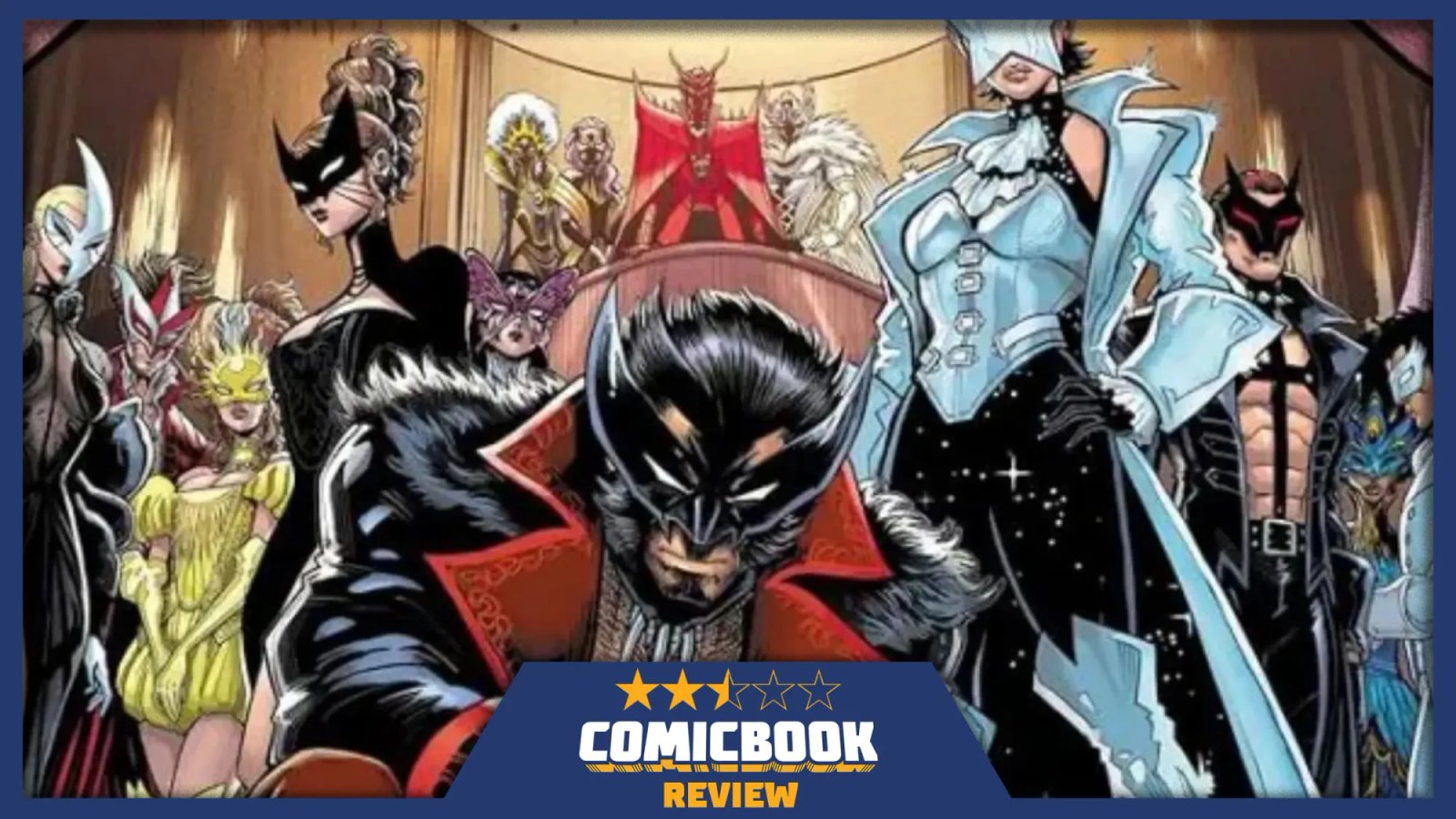
A standout feature of the Krakoa Era Hellfire Galas was always the innovative and often extravagant costumes. *X-Men: The Hellfire Murder #1* continues this tradition, presenting new Gala costumes that, for many, surpass their predecessors. While previous Gala attire leaned heavily into high fashion, these new designs embrace a more 'masquerade-type' aesthetic, offering a fresh and arguably more visually interesting feel. The outstanding quality of these costumes not only enhances the thematic atmosphere of the murder mystery but also serves as a testament to the artists' ability to contribute meaningfully to the world-building. These visuals are a crucial element in establishing the grandeur and unique ambiance of the Hellfire Gala, proving that even when the plot falters, the visual storytelling can remain impactful and engaging, drawing readers into the rich, detailed world of the X-Men.
The Broader Implications: Nostalgia vs. Innovation
*X-Men: The Hellfire Murder #1* ultimately serves as a microcosm for a larger debate within the X-Men franchise: the delicate balance between honoring a rich legacy and forging new, innovative paths. The issue’s reliance on familiar tropes and its struggles to create genuinely new and impactful stakes highlight the risks of prioritizing nostalgia over creative progression. While fan service and callbacks to beloved eras can certainly enhance a story, an overemphasis can stifle the very innovation that keeps a long-running comic series fresh and relevant. For the X-Men, a property that has historically thrived on pushing boundaries and challenging conventions, this tension is particularly critical. Moving forward, the franchise must confront how to harness the power of its past without becoming creatively constrained by it, ensuring that future stories offer both reverence for history and bold visions for what’s next.
In conclusion, *X-Men: The Hellfire Murder #1* is a perfectly serviceable comic that, despite flashes of brilliant character interaction and exceptional artwork, ultimately falls short of its potential. Its ambition to deliver a compelling whodunit is undermined by a plot that lacks genuine stakes and a central detective who fails to inspire. While the issue offers enjoyable moments and stunning visuals, it reinforces the ongoing narrative challenge facing the X-Men line: how to evolve meaningfully while still honoring its storied past. We invite you to delve deeper into our comprehensive reviews and analyses of the latest comic releases, explore character spotlights, and stay updated on all things Marvel right here on NAME OF SITE.
Fonte: https://comicbook.com