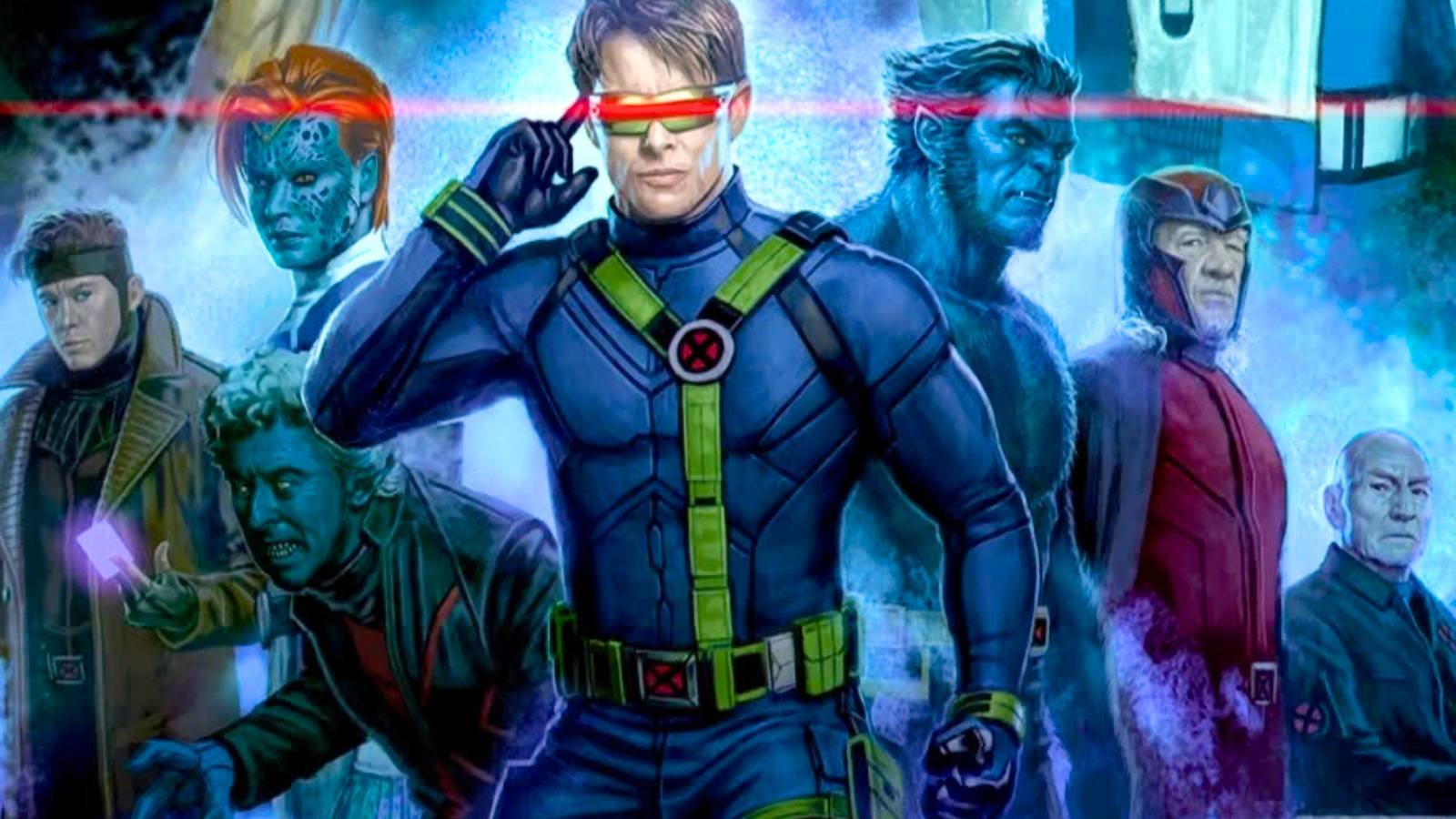
<b>Warning: This article contains significant spoilers for *X-Men '97* season 2, episode 9.</b> Readers are advised to proceed with caution if they wish to avoid crucial plot details from the critically acclaimed animated series.
In a move that has sent shockwaves across the fandom, Marvel's *X-Men '97* has delivered a devastating blow, orchestrating the death of a beloved and iconic mutant just months before their highly anticipated live-action debut within the Marvel Cinematic Universe. This dramatic narrative choice underscores the series' commitment to high stakes and emotional depth, while simultaneously creating a fascinating juxtaposition with the character's burgeoning presence in Marvel's sprawling multimedia landscape.
The Heartbreaking End of a Fan-Favorite
The character in question, the charming and roguishly heroic Cajun mutant, Remy LeBeau, famously known as Gambit, met a tragic end in the penultimate episode of *X-Men '97*'s second season, titled "Tolerance is Extinction – Part 2." Gambit's demise occurred during a pivotal battle against a transformed Bastion, a formidable Sentinel Master Mold. In a desperate act of heroism, Gambit selflessly sacrificed himself, channeling his kinetic energy abilities in an unprecedented and ultimately fatal way to prevent a catastrophic global event. This moment not only served as a brutal turning point in the X-Men's ongoing struggle against mutant prejudice but also solidified Gambit's legacy as a hero willing to pay the ultimate price for his friends and the future of mutantkind.
The scene was designed to maximize emotional impact, depicting Gambit's final moments with a raw intensity that resonated deeply with long-time followers of the *X-Men* animated universe. His sacrifice was not merely a plot device but a culmination of his character arc, showcasing his evolution from a morally ambiguous thief to a selfless protector. The animation team meticulously crafted this sequence, ensuring that the visual storytelling amplified the gravity of the situation, leaving an indelible mark on viewers. This sudden and brutal loss immediately catapulted the episode into one of the most talked-about events in recent animated superhero history.
Gambit's Enduring Legacy in Comics and Animation
Introduced in *Uncanny X-Men Annual #14* in 1990, Gambit quickly became one of the franchise's most popular characters. His distinctive accent, kinetic card-throwing abilities, mysterious past, and complex romance with Rogue cemented his place in the hearts of fans. He embodies the classic anti-hero archetype, often balancing on the edge of morality but ultimately aligning himself with the X-Men's noble cause. His charm and charisma, coupled with his proficiency in thievery and hand-to-hand combat, made him a unique addition to the team.
*X-Men: The Animated Series* (1992-1997), the direct predecessor to *X-Men '97*, played a significant role in popularizing Gambit, introducing him to a wider audience. His characterization in the show, particularly his passionate but tumultuous relationship with Rogue, became an iconic element of the series. The current *X-Men '97* revival has respectfully built upon this foundation, allowing viewers to revisit and deepen their connection with these characters, making Gambit's recent death all the more poignant. His final act of heroism serves as a powerful testament to the character's growth and unwavering commitment to his adopted family.
The MCU Conundrum: A Character Divided by Universes
The timing of Gambit's death in *X-Men '97* is particularly noteworthy, occurring mere months before the character is expected to make his live-action debut in the Marvel Cinematic Universe. While specific details remain under wraps, the increasing integration of mutants into the MCU, particularly following the acquisition of 20th Century Fox by Disney, strongly hints at Gambit's eventual introduction. Given the MCU's strategic long-term planning, the death of a beloved iteration of a character so close to their live-action unveiling creates a compelling narrative parallel.
This situation highlights the complex nature of Marvel's multiverse. While *X-Men '97* exists in its own distinct animated continuity, separate from the primary MCU timeline, the emotional resonance of Gambit's death can't be entirely divorced from the anticipation surrounding his live-action counterpart. Fans are now left to grapple with the emotional weight of one version of the character's sacrifice while simultaneously looking forward to a fresh interpretation. This duality presents both a challenge and an opportunity for the MCU to craft a unique and compelling narrative for its version of Gambit, potentially exploring different facets of his personality and origin without being constrained by the animated series' recent tragic events.
Navigating the Multiversal Threads
The existence of the multiverse, a central theme in recent MCU phases, allows for these divergent narratives to coexist without contradiction. Each universe presents its own unique story, unburdened by the specific fates of its counterparts. However, for the audience, the experience is often more interconnected. The emotional investment in a character, regardless of the specific medium, tends to bleed across different iterations. Thus, the heroic sacrifice of *X-Men '97*'s Gambit will undoubtedly cast a long shadow, influencing how many viewers perceive and anticipate the MCU's eventual portrayal of the character. It raises questions about the expectations fans will carry into the live-action debut, perhaps hoping for a redemption, a brighter future, or a different path for a character who met such a definitive end in another universe.
Fan Reaction and Future Implications
The immediate aftermath of Gambit's death has seen an outpouring of emotion from the *X-Men* community. Social media platforms are abuzz with tributes, shock, and discussions about the character's legacy. This collective grief underscores the profound connection audiences have with these animated heroes. The event also fuels speculation regarding the future direction of both *X-Men '97* and the MCU's mutant saga. While the animated series has proven it is not afraid to take risks and challenge audience expectations, the MCU is known for carefully curating its character introductions and arcs.
The bold decision by the *X-Men '97* creative team serves as a powerful reminder that while these stories are part of a larger franchise, they possess the autonomy to tell compelling, self-contained narratives that prioritize character development and thematic resonance over external pressures. As the MCU prepares to fully embrace its mutant roster, the dramatic events of *X-Men '97* provide a poignant backdrop, highlighting the enduring power and emotional impact these iconic characters continue to have across all mediums. The death of Gambit is not just a plot point; it's a statement about the series' dedication to authentic, high-stakes storytelling.
The demise of Gambit in *X-Men '97* is a truly momentous event, demonstrating the animated series' fearless approach to storytelling and its profound emotional impact on viewers. As fans mourn this significant loss, the anticipation for Gambit's live-action MCU debut only intensifies, offering a unique opportunity to explore the character anew within a different continuity. To delve deeper into the intricate narratives of the X-Men, dissect more character analyses, and stay updated on all things Marvel, be sure to continue exploring the extensive content available right here on NAME OF SITE. Your next exciting discovery is just a click away!
Fonte: https://screenrant.com