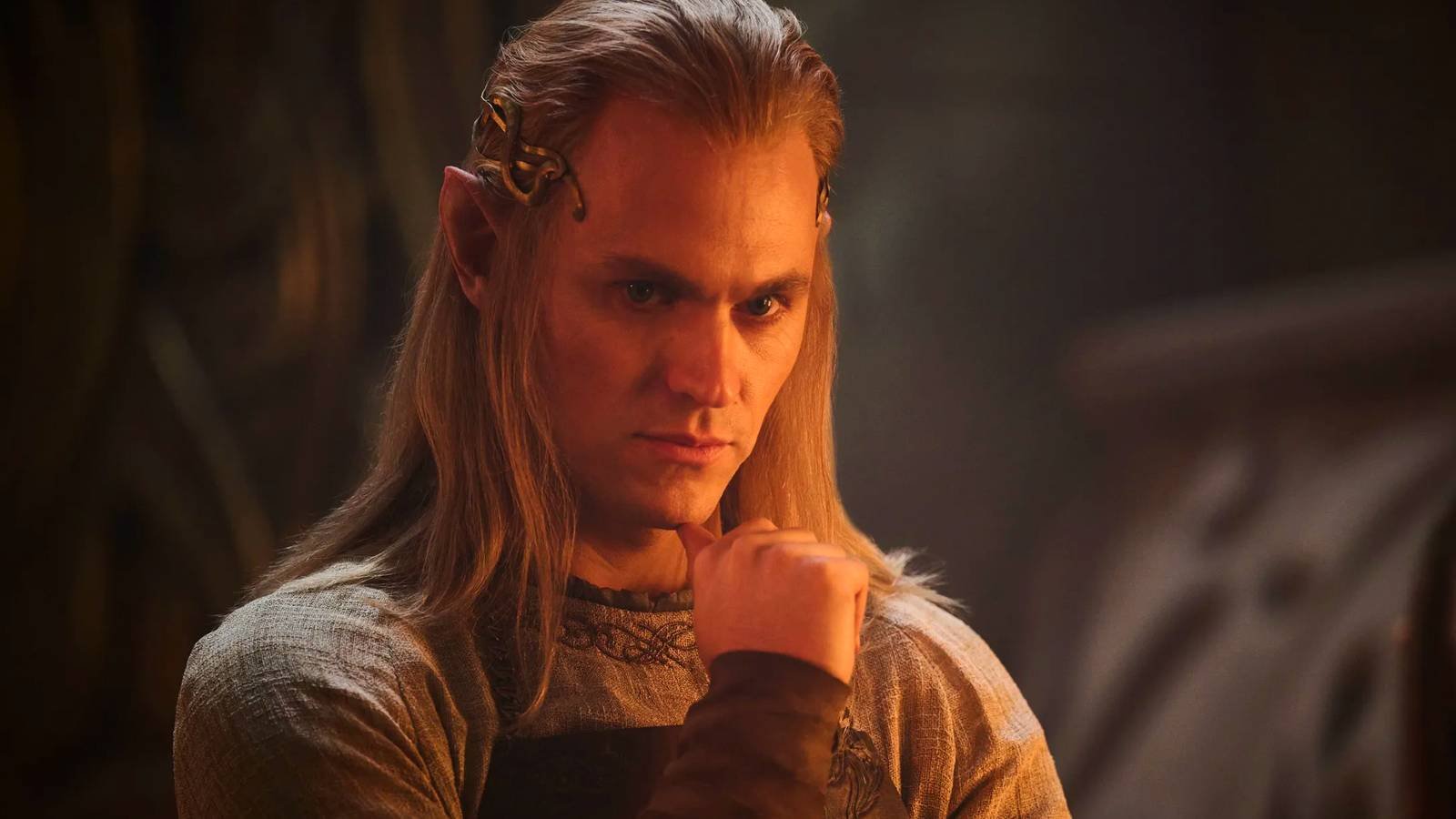
Anticipation for the third season of Amazon Prime Video's "The Lord of the Rings: The Rings of Power" has reached new heights with the recent revelation of fresh character designs for two of Middle-earth's most iconic figures: Gandalf and Sauron. These early glimpses offer intriguing hints about the evolving narrative and the pivotal roles these characters are set to play in the unfolding drama of the Second Age. As the series progresses toward key events in J.R.R. Tolkien's legendarium, the visual evolution of its protagonists and antagonists becomes a crucial element in conveying their transformations and increasing influence over the fate of the realm.
The Evolving Aesthetics of Power in Middle-earth
Character design in high fantasy adaptations is far more than mere costuming; it is a profound form of visual storytelling. For a series as ambitious as "The Rings of Power," which meticulously recreates a beloved world, every detail in a character's appearance can signify shifts in their arc, their growing powers, their allegiances, or their internal struggles. The initial seasons meticulously established the nascent looks for both Gandalf (primarily recognized as The Stranger) and Sauron (through his guise as Halbrand), setting a foundation upon which these new designs will build. These visual developments are essential for audiences, providing immediate, non-verbal cues about where the characters are heading and what challenges they face. In the rich tapestry of Middle-earth, an updated cloak or a more menacing silhouette can speak volumes about a character's journey and destiny.
Gandalf's Transformation: The Stranger's Path to Wisdom
The character known to viewers as The Stranger has been a central enigma since the first season, landing in Middle-earth with no memory and displaying formidable, albeit uncontrolled, magical abilities. His journey has been one of discovery, guided by Nori Brandyfoot and her Harfoot community, as he slowly grapples with his identity and the immense power at his command. While not explicitly named Gandalf within the show, his identity as one of the Istari, the Maiar sent to aid Middle-earth, has been strongly implied. His narrative arc is poised to transition him from a confused, wandering figure to a more defined and purposeful guardian against the rising shadow.
Decoding the New Design for the Istari
The promise of a "new design" for Gandalf suggests a significant visual upgrade that likely reflects his deepening understanding of his role and powers. This could manifest as more traditional wizard attire, possibly adopting the grays and earthy tones iconic to Gandalf the Grey from later ages, but perhaps with a more ancient or ethereal feel appropriate for the Second Age. Elements such as a more prominent staff, or robes that appear less rudimentary and more imbued with an ancient wisdom, could visually communicate his awakening as an Istari. The choice of fabrics, colors, and accessories would not only enhance his visual gravitas but also subtly hint at his growing connection to the forces of good and his burgeoning understanding of Middle-earth's spiritual landscape. Such details are critical in showing, rather than merely telling, his transition from a lost soul to a formidable protector.
Sauron's New Guise: The Architect of Deception
Sauron, the primary antagonist of "The Rings of Power," concluded the second season having shed his deceptive guise as Halbrand and begun his direct machinations. His character is defined by a chilling blend of manipulative charm, immense power, and a fervent belief in imposing order upon Middle-earth, even if it means tyranny. His previous forms have always served his overarching goal of gaining influence and control. The reveal of a new design for Sauron heralds his more overt emergence as the Dark Lord, signaling a shift from subtle manipulation to more direct and formidable displays of power and authority.
The Visual Manifestation of the Dark Lord's Ascendance
A fresh visual interpretation of Sauron for Season 3 is expected to reflect his increasing power and malice. This could take several forms: a more menacing, armored appearance that foreshadows his eventual dominance in Mordor, or perhaps an even more refined and charismatic guise designed to ensnare the Elves in the forging of the Rings of Power. Designers might lean into darker, more imposing silhouettes, incorporating materials and symbols that evoke ancient evil and sorcery. His new look needs to convey his dual nature as both a skilled artificer, capable of charming even the most ancient Elves, and the burgeoning Dark Lord, whose ambition knows no bounds. The change in design could visually underscore his transition from a shadowy manipulator to an openly powerful, and terrifying, force in the Second Age, bringing him closer to the iconic villain known from "The Lord of the Rings" trilogy. It will be crucial for his design to embody both his Maiar heritage and his increasingly corrupt will.
Broader Implications for Season 3 and Tolkien's Lore
These updated character designs are more than just aesthetic changes; they are narrative signposts indicating pivotal developments in "The Rings of Power." Season 3 is anticipated to delve deeply into some of the most critical events of the Second Age, including the forging of the Rings of Power, the rise of Barad-dûr, the full establishment of Mordor, and the escalating conflict between Sauron and the free peoples of Middle-earth. The visual evolution of Gandalf and Sauron will play a crucial role in grounding these epic narrative turns, providing audiences with visual cues that resonate with the profound lore established by J.R.R. Tolkien. The show's ability to balance fidelity to the source material with innovative visual storytelling will determine its lasting impact on both long-time Tolkien enthusiasts and new viewers alike. The design choices represent a monumental creative effort, bridging the gap between literary descriptions and cinematic realization, ensuring that the visual impact is as weighty as the narrative stakes.
The Art of Adaptation: Bringing Middle-earth to Life
The task of bringing J.R.R. Tolkien's richly imagined world to the screen is an immense undertaking, demanding meticulous attention to detail from concept artists, costume designers, and the entire creative team. For iconic characters like Gandalf and Sauron, the challenge lies in interpreting descriptions from millennia-old lore into designs that are both recognizable and fresh, respectful of the source material yet innovative for a modern audience. The pressure to meet the high expectations of a global fanbase while forging a distinct visual identity for the Second Age is enormous. These new designs represent countless hours of creative effort, aiming to capture the essence of these powerful beings as they near their most definitive forms and roles, setting the visual tone for the dramatic events yet to unfold in Middle-earth's tumultuous history.
As "The Rings of Power" continues to unfold the grandeur and peril of the Second Age, these first looks at Gandalf and Sauron’s new designs promise a season of profound character development and high-stakes drama. The visual storytelling employed by the series' creative team ensures that every detail contributes to the epic narrative. For more in-depth analyses, exclusive news, and comprehensive discussions on "The Rings of Power" and other expansive fantasy sagas, be sure to explore the extensive content available right here on NAME OF SITE. Dive deeper into Middle-earth with us!
Fonte: https://screenrant.com