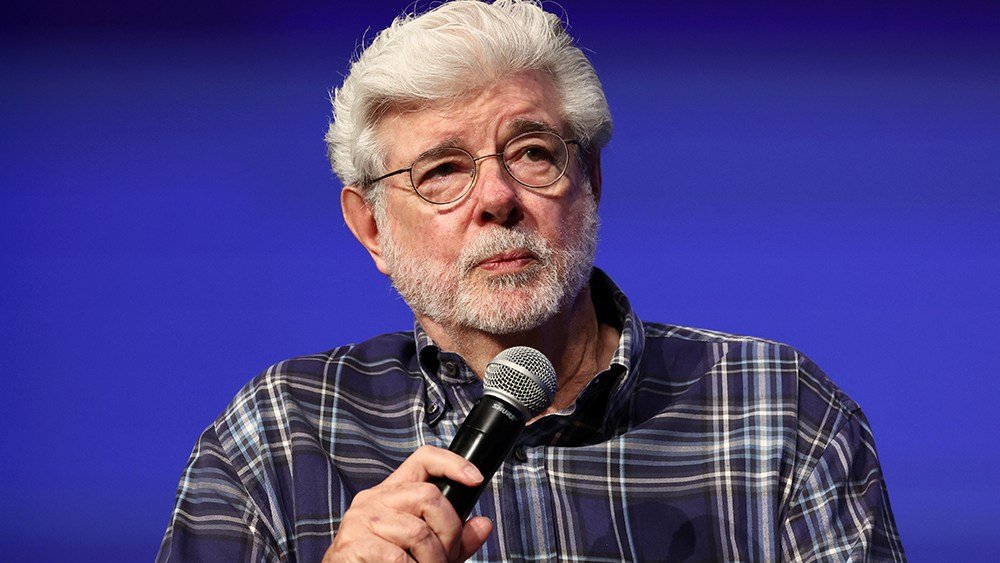
George Lucas, the visionary creator behind the monumental 'Star Wars' saga, has once again offered a candid and thought-provoking perspective on the evolving landscape of Hollywood. Known for his pioneering spirit and unwavering commitment to artistic independence, Lucas recently voiced strong opinions regarding the transformative impact of artificial intelligence (AI) on filmmaking and what he perceives as a detrimental over-reliance on audience focus groups within the studio system. These insights, shared in an interview with A Rabbit’s Foot and reported by IGN, underscore a foundational tension between artistic integrity, technological advancement, and commercial viability that has long defined the entertainment industry.
Os perigos da perfeição: Lucas critica a dependência de Hollywood em grupos focais
Lucas's most pointed criticism targets Hollywood's pervasive use of focus groups and test screenings. While ostensibly a risk-mitigation strategy for studios, Lucas argues that this practice fundamentally undermines the creative process, leading to homogenized narratives and a stifling of genuine artistic expression. He contends that an excessive deference to pre-screening feedback often results in creative compromise, where unique visions are diluted to satisfy the lowest common denominator or avoid any potential controversy. From his auteur perspective, filmmaking should be driven by a singular creative vision, not a committee process aiming for universal, often bland, appeal. This approach, he suggests, ultimately prevents the audacious originality and distinctive voice necessary for truly impactful cinema.
AI: The Inevitable Evolution of Filmmaking
In stark contrast to his skepticism about focus groups, Lucas expresses a more pragmatic, almost resigned, view on the integration of artificial intelligence into filmmaking. He states unequivocally that AI will make the process 'easier' and that 'there’s nothing you can do about it.' This statement reflects not just an observation but an acceptance of technological momentum, particularly from someone who has consistently pushed the boundaries of what technology can achieve in cinema. Lucas was at the forefront of digital filmmaking, computer-generated imagery (CGI), and non-linear editing, recognizing early on the transformative potential of these tools.
The 'easier' aspect of AI in filmmaking encompasses a vast array of possibilities. AI algorithms can dramatically streamline post-production, automating tasks like visual effects rendering, color correction, and sound mixing. They can assist in script analysis, identifying narrative patterns, pacing issues, or even predicting audience reception. Furthermore, AI could revolutionize pre-visualization, allowing filmmakers to rapidly prototype scenes and explore countless creative options without incurring significant production costs. Deepfake technology, while ethically complex, offers unprecedented capabilities for de-aging actors, recreating deceased performers, or altering performances with subtle nuance, thereby extending the creative palette in ways previously unimaginable.
However, Lucas’s accompanying phrase, 'there’s nothing you can do about it,' hints at the unstoppable nature of technological progress, irrespective of potential ethical dilemmas or industry-wide shifts it might precipitate. This inevitability presents both immense opportunities and significant challenges for the film industry. While AI could democratize filmmaking by lowering technical barriers for independent creators and expanding the scope of what's visually possible, it also raises critical questions about job displacement, the very definition of authorship, and the potential for algorithmic influence to inadvertently homogenize creative output in new, more insidious ways, requiring careful industry navigation.
The Double-Edged Sword of Fan Power
Underlying Lucas’s concerns about focus groups is a broader criticism of Hollywood’s increasing tendency to cater excessively to fan expectations, sometimes to the detriment of original storytelling. He laments that studios are giving fans 'too much power,' a sentiment perhaps born from his own contentious experiences, particularly with the 'Star Wars' prequels and later the alterations to the original trilogy. While fan engagement and loyalty are crucial for the success of major franchises, Lucas suggests that an excessive responsiveness to vocal fanbases, amplified by social media, can lead to risk-averse decision-making and a prioritization of 'fan service' over creative boldness.
This dynamic has become particularly pronounced in the age of social media, where instant feedback, online petitions, and intense scrutiny from dedicated fandoms can sometimes sway production decisions, forcing reshoots or plot changes. While studios aim to cultivate goodwill and ensure continued interest in beloved intellectual properties, this constant feedback loop can inadvertently trap creators in a cycle of meeting established expectations rather than forging new ground. Lucas, an artist who famously pursued his singular vision despite initial skepticism, views this trend as antithetical to the kind of innovative storytelling that truly moves culture forward. He implicitly advocates for a balance where the creator remains the primary visionary, guiding the narrative with confidence and originality.
Shaping the Future of Storytelling
George Lucas's latest observations highlight a critical juncture for the film industry. On one hand, he warns against the homogenizing effects of market research and over-reliance on fan input, which he believes stifle genuine creativity and risk-taking. On the other, he acknowledges the unstoppable march of technology, viewing AI not as a threat to be resisted but as an inevitable tool that will reshape the practicalities of filmmaking. The paradox lies in how these two seemingly disparate views intersect: will AI become another instrument for studios to further refine content based on perceived audience preferences, or will it empower individual creators with unprecedented tools to realize their most imaginative and singular visions, thereby circumventing the very pressures Lucas laments?
The ongoing challenge for Hollywood will be to navigate these powerful currents – balancing the commercial imperatives of massive investments with the artistic imperative to innovate and surprise. The industry must decide whether it will harness AI to foster greater creative autonomy and efficiency for its storytellers, or if it will primarily deploy it as a sophisticated data-gathering and risk-mitigation tool that further distances films from their potential as profound artistic statements. Lucas’s legacy is built on pushing boundaries, both technically and narratively, and his current commentary serves as a poignant reminder of the enduring tension between art and commerce, creation and consumption, that continues to define the magic of cinema.
Delve deeper into the intersection of technology, art, and the evolving entertainment industry by exploring more insightful analyses and exclusive content on NAME OF SITE. From cutting-edge AI developments in media to historical retrospectives on cinematic legends, we provide comprehensive coverage that illuminates the forces shaping our cultural landscape. Continue your journey of discovery with us.
Fonte: https://variety.com