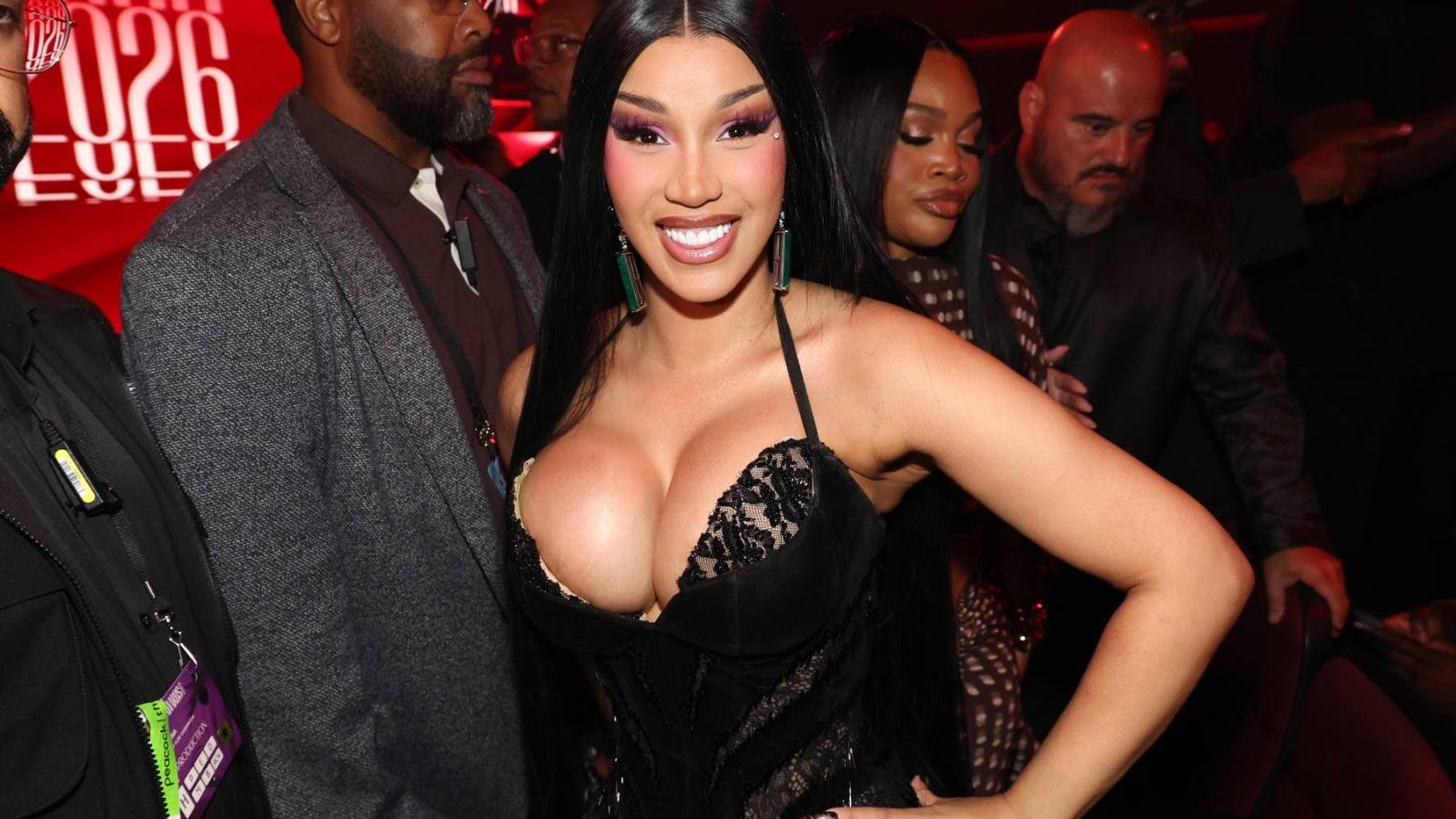
In a significant development in the ongoing legal saga between Grammy-winning artist Cardi B and blogger Latasha Kebe, known professionally as Tasha K, a federal judge has ordered Kebe to pay Cardi B an additional $60,000. This latest ruling stems from Kebe’s violation of a previous court order and an existing settlement agreement, which prohibited her from discussing certain topics related to the rapper following a monumental $4 million defamation victory for Cardi B in 2022. The new judgment underscores the severe legal consequences that content creators face when disregarding court mandates, especially concerning the private lives and reputations of public figures.
The Genesis of the Legal Battle: The 2022 Defamation Lawsuit
The protracted legal conflict began in 2019 when Cardi B, whose real name is Belcalis Marlenis Almánzar, filed a lawsuit against Tasha K. The suit alleged that Kebe, through her popular YouTube channel 'unWinewithTashaK,' published a series of defamatory videos containing egregious and false statements about the artist. These statements included baseless claims of infidelity, allegations of sexually transmitted infections, and accusations of drug use and past prostitution. Cardi B asserted that these fabrications severely damaged her professional reputation, caused immense emotional distress, and negatively impacted her brand endorsements and career trajectory. In January 2022, a federal jury sided unequivocally with Cardi B, awarding her approximately $4 million in damages. This total comprised general damages, punitive damages from both Tasha K and her company, Kebe Studios LLC, and coverage for Cardi B's legal fees. The substantial award served as a powerful message about accountability for online defamation.
The Post-Judgment Agreement and Its Stipulations
Following the significant defamation verdict, Tasha K filed an appeal and subsequently declared bankruptcy, leading to complex legal maneuvers regarding the payment of the judgment. As part of these post-judgment proceedings, and likely to manage the collection of the substantial award, a specific agreement or injunction was put into place. This deal stipulated strict limitations on Tasha K's ability to publicly discuss Cardi B, her family, or topics that could be construed as inflammatory or defamatory. The intent was clear: to prevent any further dissemination of false information and to protect Cardi B's personal and professional life from renewed attacks. Such agreements are common in high-profile legal disputes, aiming to create a framework for future conduct and to enforce the court's original ruling.
The Recent Violation: Posts Concerning Offset and Stefon Diggs
The recent ruling for $60,000 directly addresses Tasha K’s alleged breach of this critical post-judgment agreement. The specific posts that triggered this violation reportedly involved Cardi B's husband, Offset, and NFL player Stefon Diggs. While the exact content of Kebe's comments has not been publicly detailed, it is understood that they delved into personal matters, potentially reigniting rumors or making new allegations concerning Cardi B's marital life or other private affairs. By publishing these posts, Tasha K was found to have disregarded the express terms of the agreement, effectively undermining the protective measures that were put in place to shield Cardi B from further reputational harm and baseless speculation. This demonstrates a clear pattern of behavior that challenges judicial authority and highlights the persistent nature of the conflict.
The Ramifications of Disregarding Court Orders
The $60,000 award is not merely a penalty; it serves as a stern reminder of the legal system's power to enforce its rulings. Violating a standing court order, particularly an injunction or a settlement agreement that has been ratified by the court, can lead to severe consequences, including contempt of court charges, additional financial sanctions, or even imprisonment in extreme cases. In this instance, the $60,000 likely represents compensatory damages for the continued harm caused by the breach, or specific sanctions aimed at deterring future violations. This ruling also sends a crucial message to content creators and digital journalists about the boundaries of free speech and the responsibilities that accompany online influence. It reinforces that the pursuit of clicks and engagement does not supersede the fundamental rights of individuals to privacy and a protected reputation.
Broader Implications for Public Figures and Digital Media
The ongoing legal battle between Cardi B and Tasha K has become a significant touchstone for discussions surrounding celebrity privacy, online defamation, and the evolving landscape of digital journalism. It highlights the vulnerability of public figures to malicious content and the often-arduous process required to seek justice and enforce legal protections. For artists like Cardi B, whose brand and livelihood are intrinsically linked to their public image, maintaining control over their narrative and combating misinformation is a professional imperative. Conversely, the case serves as a cautionary tale for online bloggers and media personalities, underscoring the critical need for journalistic ethics, factual verification, and responsible reporting, even in the less formal environment of social media. The financial and legal repercussions demonstrated by this case emphasize that freedom of speech does not equate to freedom from consequences, particularly when engaging in malicious falsehoods or violating established court orders.
Conclusion: A Continuing Stance Against Defamation
Cardi B's persistent pursuit of legal recourse against Tasha K, culminating in this latest $60,000 judgment, solidifies her unwavering stance against defamation and the blatant disregard for judicial orders. This case transcends a mere celebrity dispute, evolving into a critical example of the legal system's capacity to uphold justice in the digital realm. It underscores the paramount importance of respecting court mandates and the profound ramifications for those who choose to undermine them. As online platforms continue to shape public discourse, the vigilance of individuals and the enforcement by courts will remain vital in preserving truth and protecting reputations.
For more in-depth analyses of legal precedents, entertainment news, and the intricate world where celebrity and law intersect, we invite you to explore the extensive content available on Our Site. Stay informed with our expert insights and comprehensive coverage.
Fonte: https://www.rollingstone.com