In the dynamic landscape of modern video gaming, live-service titles thrive on continuous content updates, with cosmetic skins often serving as the primary driver of player engagement and monetization. Marvel Rivals, a highly anticipated 6v6 hero shooter, has recently been lauded for its impressive array of character customizations, positioning these aesthetic enhancements as a cornerstone of its appeal. However, a particular new addition, the "Seaside Sentinel" skin for Captain America, has unexpectedly ignited a significant controversy within the game's burgeoning community, leaving many fans both bewildered and vocal.
The meticulous design and thematic relevance of character skins are crucial for player immersion and satisfaction, especially in a universe as rich and beloved as Marvel's. For many players, these digital outfits offer a unique avenue for self-expression and connection to their favorite heroes. The developers at NetEase, aiming to capitalize on this demand, frequently introduce new cosmetic lines. Yet, the reception of the "Seaside Sentinel" skin has demonstrated the delicate balance between creative innovation and respecting established character iconography, prompting a widespread discussion across fan communities about the boundaries of design interpretation.
The Core of the Controversy: Captain America's 'Seaside Sentinel' Design
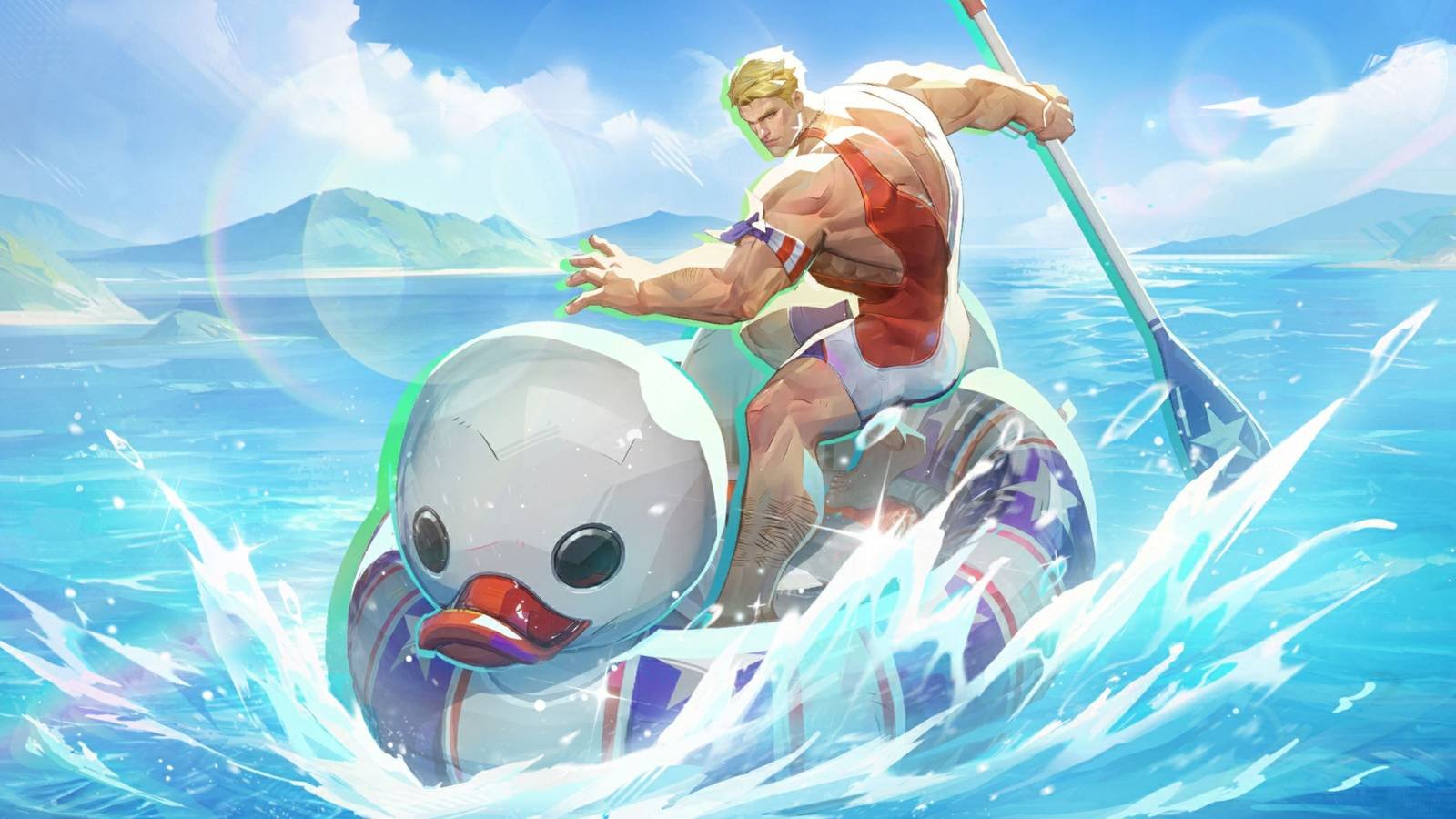
Marvel Rivals is set to immerse players in an expansive multiverse, where iconic Marvel characters clash in fast-paced team battles. A key element of its live-service strategy is the regular rollout of diverse cosmetic options, allowing players to personalize their experience. The "Seaside Sentinel" skin was conceptualized to offer a lighter, more thematic variation of Captain America, diverging from his traditional military-inspired attire. However, the specific design choices implemented, particularly regarding his most iconic piece of equipment, have proven divisive.
A Divergence from the Classic Iconography
The detail causing the most significant stir is the depiction of Captain America's legendary shield. Instead of the familiar, gleaming vibranium disc, the "Seaside Sentinel" skin presents a shield that appears to be crafted from painted, almost rustic, driftwood. While conceptually fitting a "seaside" theme, this aesthetic choice dramatically alters the perception of his primary defensive and offensive tool. Fans perceive this design as diminishing the shield's symbolic weight and practical invincibility, transforming it from an indestructible emblem of freedom into a fragile, almost whimsical accessory. This departure from the character's core visual identity has been the focal point of fan consternation, as it challenges deeply ingrained expectations of Captain America's heroic representation.
The Roar of the Fanbase: Community Reactions and Online Discourse
The unveiling of the "Seaside Sentinel" skin immediately triggered a torrent of reactions across various online platforms. On social media sites like X (formerly Twitter), Reddit, and dedicated gaming forums, discussions quickly escalated into passionate debates. Many fans expressed genuine bewilderment, disappointment, and even frustration over what they perceived as an incongruous design choice. Comment threads were inundated with criticisms ranging from aesthetic disapproval to concerns about the perceived integrity of the character within the game.
Typical sentiments included exclamations like, "This doesn't feel like Captain America; his shield is supposed to be unbreakable!" or "It looks like a prop from a beach play, not a weapon wielded by a super-soldier." Others lamented what they saw as an unnecessary departure from an established and beloved design, questioning the creative direction behind the skin. The intensity of the backlash highlighted the strong emotional connection players have to the visual representation of their favorite characters, particularly iconic figures like Captain America, whose imagery is steeped in decades of comic book history and cultural significance.
While the majority of feedback leaned towards criticism, there were also voices defending the skin, albeit fewer in number. Some players argued for creative liberty, suggesting that alternate skins are meant to be fun, non-canonical interpretations, and that a "seaside" theme naturally implies a less serious, more playful aesthetic. These perspectives, however, often found themselves overshadowed by the widespread dismay from fans who felt the design fundamentally undermined the character's essence, even in a variant form. The debate underscored the complex challenge developers face in balancing innovative design with the deep-seated expectations of a passionate fanbase.
The Business of Aesthetics: Skins in the Live-Service Ecosystem
In the modern gaming industry, cosmetic skins are far more than mere aesthetic adornments; they are a critical component of the live-service business model. For games like Marvel Rivals, skins serve multiple strategic purposes: they provide a continuous stream of revenue through in-game purchases, incentivize player retention by offering new content to unlock, and foster community engagement through customization options. The commercial success of these titles often hinges on the appeal and perceived value of their cosmetic offerings, making skin design a high-stakes endeavor for developers.
Developers are constantly striving to strike a delicate balance between catering to existing fan expectations and introducing novel, appealing designs. This often involves navigating a fine line where creative risk-taking can either result in highly acclaimed new looks or, as seen with the "Seaside Sentinel" skin, ignite significant controversy. Sometimes, even negative buzz around a skin can inadvertently generate increased visibility for the game, prompting curious players to investigate the source of the commotion. However, persistently negative reception for core characters can also erode player trust and enthusiasm over time.
Broader Implications: Character Integrity Versus Creative Liberty
The debate surrounding Captain America’s “Seaside Sentinel” skin taps into a perennial discussion within pop culture: the tension between maintaining character integrity and exercising creative liberty. For decades, comic book heroes have undergone various redesigns and alternate interpretations, particularly in the vast landscape of the Marvel Multiverse, where countless versions of characters exist. Fans often embrace these variants when they feel additive, respectful, or offer a compelling new perspective without fundamentally undermining the hero's core identity or established lore.
However, when a redesign, even for an alternate skin, deviates too drastically from what is considered iconic, it can be perceived as disrespectful or tone-deaf to the character's legacy. Captain America, with his shield symbolizing American ideals and unwavering strength, represents a particularly sensitive figure for many fans. The perceived fragility of a "driftwood" shield clashes fundamentally with the character's image of invincibility and heroism, triggering a strong emotional response. This incident serves as a stark reminder to developers within rich IPs like Marvel that while creative freedom is valuable, understanding and respecting the established symbolic weight of key character elements is paramount to maintaining a strong connection with their dedicated fanbase.
Looking Ahead: The Future of Cosmetics in Marvel Rivals
The significant fan reaction to the "Seaside Sentinel" skin presents a crucial moment for NetEase and the Marvel Rivals development team. How they respond to this feedback could significantly influence future cosmetic design strategies, particularly for other beloved Marvel characters. Developers have several avenues for addressing such controversies, including acknowledging community sentiment, offering updates or redesigns for problematic skins, or simply absorbing the feedback to inform subsequent releases. The continuous dialogue between game developers and their player base is a defining characteristic of successful live-service games.
This incident underscores the dynamic interplay between player expectations, creative vision, and commercial viability in the competitive hero shooter genre. Whether this controversy ultimately proves to be a fleeting blip or a pivotal lesson in character design for Marvel Rivals remains to be seen. What is clear is that the fervent dedication of the Marvel fanbase ensures that every new iteration of their cherished heroes will be met with close scrutiny and passionate discussion, continually shaping the evolving digital landscape of superhero entertainment.
Stay ahead of the curve with the latest insights into gaming trends, character developments, and community reactions by continuing to explore the in-depth analyses and breaking news available right here on NAME OF SITE. Dive deeper into the multiverse of Marvel Rivals and beyond with our comprehensive coverage.
Fonte: https://screenrant.com