The United States is currently grappling with a relentless opioid crisis, a public health emergency that claims tens of thousands of lives annually. While much of the focus is on adult populations, the tragic reality is that teenagers are increasingly falling victim to opioid overdoses, often due to fentanyl-laced illicit drugs. Amidst this grim landscape, naloxone, a rapid-acting medication designed to reverse opioid overdoses, stands as a proven and indispensable life-saver. Yet, despite its demonstrated efficacy and accessibility for many adults, a complex web of state laws concerning prescriptions, minor consent, and Good Samaritan protections forms a formidable barrier, effectively keeping this crucial antidote out of the hands of young people who need it most. This systemic challenge not only exacerbates the youth opioid crisis but also highlights critical gaps in public health policy aimed at protecting vulnerable populations.
The Escalating Youth Opioid Crisis
Understanding the gravity of the situation begins with acknowledging the alarming rise in opioid-related fatalities among adolescents. Data from public health agencies indicate a significant increase in overdose deaths among individuals under the age of 18 in recent years, largely driven by synthetic opioids like fentanyl. Teenagers are particularly vulnerable due to several factors, including experimentation, peer pressure, and limited awareness of the potency and dangers of illicit substances, especially those contaminated with fentanyl, which can be lethal even in minute doses. Often, young people may unknowingly consume fentanyl disguised as other drugs, such as counterfeit pills resembling prescription medications like Adderall or Xanax. This makes immediate access to naloxone paramount, as every second counts during an overdose event, distinguishing between life and death.
Naloxone: An Essential Opioid Antidote
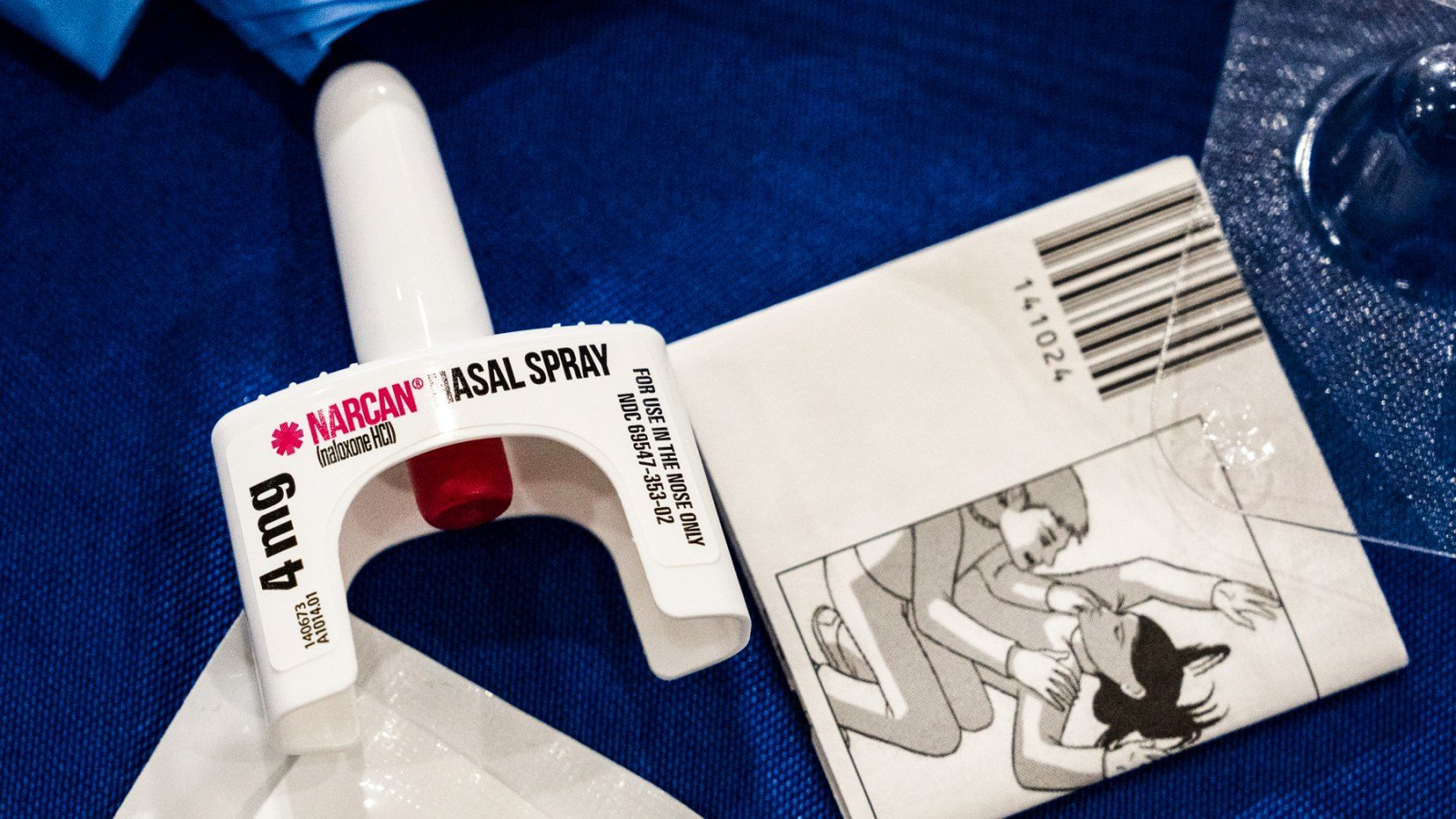
Naloxone is an opioid antagonist, meaning it works by rapidly reversing the effects of an opioid overdose. When administered, it quickly binds to opioid receptors in the brain, displacing the opioids and restoring normal breathing. It is safe, non-addictive, and has virtually no potential for abuse. The medication is available as an injectable solution or, more commonly, as a nasal spray, making it easy to administer even by individuals without medical training. Widespread distribution of naloxone, often referred to as 'community naloxone,' has been a cornerstone of harm reduction strategies, empowering first responders, family members, and bystanders to intervene during an overdose. However, this accessibility often hits a snag when it comes to minors, creating a perilous paradox where the very tool designed to save lives is withheld from a demographic at increasing risk.
The Labyrinth of State Laws Hindering Teen Access
The primary obstacle to naloxone access for teenagers stems from a patchwork of state-specific legislation that complicates how minors can obtain or even be protected when using the medication. These legal frameworks often fail to account for the unique circumstances of young people facing substance use challenges, inadvertently creating barriers that cost lives.
Prescription Requirements and Standing Orders
Historically, naloxone required a doctor's prescription, a significant hurdle for anyone, let alone a minor. While all states now permit third-party prescribing or dispense naloxone through 'standing orders' – general prescriptions issued by a physician that allow pharmacists to dispense naloxone to anyone without an individual prescription – these policies often don't explicitly address minors. Pharmacists, concerned about legal liabilities or parental consent, may hesitate to dispense naloxone directly to a teenager, even under a standing order. This forces teens to rely on adults for access, which can be problematic if they wish to keep their substance use private or if supportive adults are not available or aware of the need.
Minor Consent Laws and Confidentiality Concerns
Laws governing a minor's ability to consent to medical treatment without parental involvement vary widely by state. In many jurisdictions, minors cannot legally obtain prescription medications or certain medical services without a parent or guardian's consent. This creates a severe dilemma for teenagers struggling with opioid use, as they may fear parental disapproval, disciplinary action, or legal repercussions if their substance use is revealed. This fear often overrides the urgency of seeking life-saving naloxone, leading them to avoid pharmacies, doctors, or other points of access where their privacy might be compromised. The lack of confidential access disproportionately affects teens who are estranged from their families, experience homelessness, or come from unsupportive environments.
Good Samaritan Laws: A Safety Net with Potential Gaps
Good Samaritan laws are designed to protect individuals who administer aid during an emergency, including providing naloxone or calling for help during an overdose, from civil or criminal liability. While nearly all states have some form of Good Samaritan law related to overdose, their application to minors can be ambiguous. Teenagers may still fear legal consequences related to drug possession or use, or the involvement of law enforcement or child protective services, even if they are attempting to save a life. This fear can deter them from calling 911 or administering naloxone to a friend, creating a chilling effect that undermines the very purpose of these protective statutes. Clarifying and strengthening these laws to explicitly protect minors who seek or render aid in overdose situations is crucial.
Pathways to Broader Access and Education
Addressing these barriers requires a multi-faceted approach involving legislative reform, educational initiatives, and proactive community engagement. Advocates are pushing for policies that explicitly allow minors to access naloxone without parental consent, recognizing the urgency of overdose prevention as a matter of public health rather than parental control. Expanding school-based naloxone programs, where trained staff can administer the drug and educate students, is another promising avenue. These programs not only provide immediate access but also normalize conversations around overdose prevention and reduce stigma. Public awareness campaigns tailored for young people, focusing on the dangers of fentanyl and the importance of carrying and knowing how to use naloxone, are also vital to empower teens to protect themselves and their peers. Ultimately, equipping young people with this life-saving tool, alongside comprehensive education and support services, is an imperative step towards mitigating the devastating impact of the opioid crisis on the next generation.
The ongoing opioid crisis demands an empathetic and pragmatic response that prioritizes saving lives, especially those of our most vulnerable populations. The proven effectiveness of naloxone stands in stark contrast to the preventable deaths occurring due to restricted access for teenagers. By dismantling the legal and social barriers that currently exist, we can ensure that this critical antidote is readily available to every young person who might need it, fostering safer communities and brighter futures. To delve deeper into the nuances of public health policy and explore further insights into the challenges and solutions facing our communities, we invite you to continue browsing NAME OF SITE for more in-depth analyses and expert perspectives.
Fonte: https://www.rollingstone.com