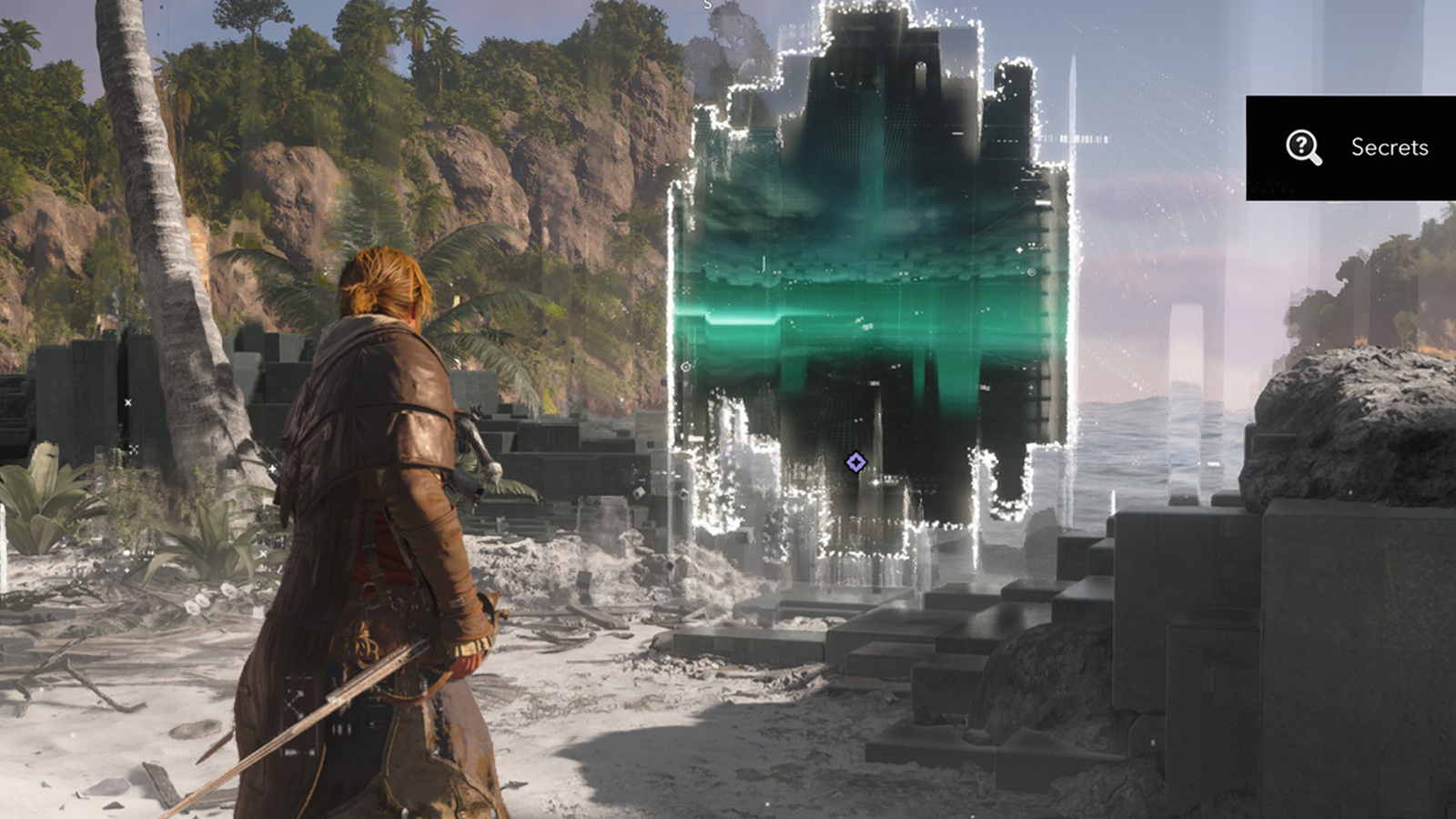
The highly anticipated release of Assassin's Creed Black Flag Resynced has brought with it a significant reimagining of core gameplay elements, most notably the complete overhaul of the Animus Hub mechanics. This intricate redesign replaces the more traditional, playable modern-day sections found in the original Assassin's Creed IV: Black Flag, signaling a deliberate shift in narrative presentation and player engagement. Beyond merely adjusting the story's contemporary framing, Black Flag Resynced integrates several live-service features, introducing new layers of collectibles, unique events, and compelling rewards designed to enrich the player's journey through the Golden Age of Piracy.
The Strategic Evolution of Modern-Day Narratives
Ubisoft's decision to fundamentally alter the modern-day segments in Black Flag Resynced stems from a continuous evaluation of player feedback and evolving game design philosophies within the Assassin's Creed franchise. The original Black Flag, while lauded for its expansive open world and engaging pirate fantasy, often received mixed reviews regarding its modern-day interludes. Many players found these sections disruptive to the historical immersion, feeling they pulled them away from Edward Kenway's swashbuckling adventures without offering equally compelling gameplay or narrative progression. This feedback has historically driven changes in subsequent Assassin's Creed titles, with some entries minimizing modern-day interaction and others attempting new approaches. Resynced's Animus Hub represents a bold step towards integrating contemporary elements more seamlessly, focusing on meta-progression and player-driven discovery rather than forced, linear exposition.
The developers recognized an opportunity to evolve the concept of the Animus itself, transforming it from a mere plot device into a dynamic ecosystem that directly influences the historical simulation. Instead of stepping out of the Animus to walk around a modern office, players now experience a more abstracted, yet interconnected, contemporary layer. This shift allows the core historical narrative to remain uninterrupted while still providing the overarching lore context and meta-challenges that define the Assassin's Creed universe. The goal is to retain the thematic relevance of Abstergo and the eternal conflict between Assassins and Templars without breaking the immersive flow of historical gameplay, a balance that has long challenged the series.
The Animus Hub Unveiled: A New Paradigm for Progression
The Animus Hub in Black Flag Resynced acts as a central neural interface, a digital space where players manage their meta-progression, access unique challenges, and uncover fragments of modern-day lore. Unlike a traditional physical location, this hub is a conceptual space, often accessed through in-game menus or specific triggers within the historical simulation. It serves as a sophisticated meta-game layer, designed to deepen engagement by tying a player's accomplishments in the 18th century to tangible rewards and insights relevant to the present day. This abstraction allows for greater narrative flexibility and reduces potential immersion breaks, maintaining the focus on Edward Kenway's journey while subtly reminding players of the broader stakes.
This innovative approach allows for a continuous feedback loop between historical exploration and meta-game objectives. As players navigate the Caribbean, plunder ships, and uncover ancient secrets, their actions contribute to the progress within the Animus Hub. This direct correlation makes every sea battle and every hidden treasure chest feel more significant, as success in the historical simulation is now directly linked to unlocking new opportunities and understanding the contemporary narrative layers. It transforms the often-isolated modern-day elements into an integrated system that enhances, rather than detracts from, the core experience.
Animus Hub Mechanics: The Role of Keys and Unlockables
One of the primary components of the Animus Hub is the introduction of a new 'Key' system. These Animus Keys are elusive digital artifacts, scattered throughout the game's vast open world and hidden behind various challenges and achievements. Unlike traditional collectibles that merely add to a completion percentage, Animus Keys serve a crucial functional purpose: they unlock specific content within the Animus Hub. These can range from new lore entries detailing Abstergo's ongoing projects, to access points for special time-limited events, or even powerful in-game modifiers that can alter gameplay in the historical simulation. The rarity of these keys varies, with some being easily obtainable through standard exploration, while others demand mastery of combat, stealth, or puzzle-solving.
The acquisition of these keys incentivizes players to explore every nook and cranny of the game world, pushing them beyond the main story path. For example, a key might be hidden within a challenging naval fort, accessible only after a demanding stealth mission, or awarded for completing a particularly difficult bounty hunt. This system adds significant replay value, as players might revisit areas with a new perspective, seeking out these valuable meta-collectibles. The design choice to embed these keys directly within the historical world cleverly ties the modern-day progression to the pirate adventure, ensuring that both narratives feel interdependent.
Dynamic Events and Live-Service Integration
Black Flag Resynced embraces a live-service model through its dynamic Animus Hub Events. These are time-limited challenges and missions that periodically appear within the Animus Hub, offering unique gameplay experiences and exclusive rewards. These events can vary wildly, from community challenges requiring players to collectively achieve a certain objective (e.g., sink a million ships worldwide) to individual trials that test specific skills, such as navigating a treacherous storm or completing a stealth mission under strict conditions. The transient nature of these events fosters a sense of urgency and encourages consistent player engagement, providing fresh content long after the main story has been completed.
The implementation of these live events injects a continuous stream of novelty into the game, preventing stagnation. Developers can introduce new narrative threads, experimental gameplay mechanics, or even reintroduce fan-favorite elements from past Assassin's Creed titles within these event structures. This model ensures that the game world remains vibrant and responsive, evolving with the player base and providing ongoing reasons to return to the high seas. Furthermore, the global nature of some events promotes a sense of community, allowing players to contribute to larger goals and share their experiences with others, effectively blurring the lines between single-player narrative and persistent online engagement.
Rewarding Dedication: The Animus Hub's Bounty
The ultimate payoff for engaging with the Animus Hub and its various mechanics comes in the form of a rich array of rewards. These are not merely cosmetic trinkets but often impactful additions that enhance gameplay, lore understanding, or player customization. Rewards can include exclusive ship customizations, unique weapon skins for Edward, powerful in-game currency bonuses, or even new shanties for the crew to sing. More significantly, the Animus Hub often grants access to crucial lore documents, audio logs, and cryptic messages from the modern-day, slowly unveiling the larger conspiracy surrounding Abstergo and the ongoing war between the Assassins and Templars.
Beyond tangible items, some rewards might include permanent buffs to Edward's abilities, increased resource generation, or even access to previously inaccessible areas or mini-games within the historical simulation. This comprehensive reward system ensures that every effort invested in the Animus Hub feels meaningful, providing both aesthetic enhancements and functional advantages. It creates a satisfying loop where engagement with the modern-day meta-game directly feeds back into and enriches the historical experience, justifying the time and effort players put into exploring this revamped system. The balance between offering powerful incentives and maintaining game balance is key, ensuring rewards feel earned and exciting.
Impact on Player Immersion and Narrative Cohesion
The revamped Animus Hub in Black Flag Resynced represents a significant philosophical shift in how modern-day narratives are integrated into the Assassin's Creed experience. By abstracting the modern-day interaction into a hub accessed through meta-game mechanics, Resynced aims to prevent the immersion-breaking transitions that plagued earlier titles. Players can delve deeper into the historical simulation without interruption, while still having access to a compelling modern-day layer that provides context and purpose to their actions. This approach allows for a greater focus on Edward Kenway's journey, making his personal struggles and triumphs the undeniable centerpiece, while the overarching conflict remains a subtle, guiding force accessible on demand.
This design decision also offers greater flexibility for future storytelling. The Animus Hub can easily be updated with new lore, challenges, and narrative snippets without requiring players to physically navigate a new modern-day environment. It allows the developers to continuously expand the contemporary narrative in a dynamic and non-intrusive manner, ensuring that the evolving story of Abstergo and the modern Assassins remains fresh and relevant. The balance struck between delivering an immersive historical experience and maintaining a compelling meta-narrative is a testament to the developers' commitment to refining the core tenets of the Assassin's Creed franchise.
The Future Implications for Assassin's Creed
The design choices made for the Animus Hub in Black Flag Resynced are not merely isolated changes for a single title; they represent a potential blueprint for the future direction of the Assassin's Creed series. The move towards a more integrated, live-service-oriented modern-day experience suggests that future titles might also explore similar meta-progression systems. This could mean more dynamic content, community-driven events, and a continuously evolving modern-day lore that unfolds over time, rather than being confined to episodic segments. It signals a recognition that the modern-day component, while divisive, is still integral to the franchise's identity, and finding innovative ways to present it is crucial for its longevity.
This evolution could lead to a series where the historical setting remains paramount, but the modern-day acts as a living, breathing context that expands with each game, tying disparate historical periods into a grander, ongoing narrative tapestry. The success of the Animus Hub in Resynced will undoubtedly influence how Ubisoft approaches these elements in upcoming releases, potentially ushering in an era where the divide between past and present in Assassin's Creed is bridged by clever, integrated mechanics rather than abrupt transitions.
The reimagined Animus Hub in Assassin's Creed Black Flag Resynced stands as a testament to the developers' commitment to innovation and player-centric design. By transforming the modern-day experience into a dynamic, rewarding, and deeply integrated meta-game, it not only revitalizes a beloved title but also sets a new standard for future entries in the franchise. To stay updated on all the latest developments, in-depth analyses, and comprehensive guides for Assassin's Creed Black Flag Resynced and beyond, be sure to explore more articles on NAME OF SITE.
Fonte: https://screenrant.com