WARNING! This article contains minor SPOILERS for House of the Dragon season 3, episode 6! Please be advised that the following content discusses upcoming plot points and character details that have not yet aired.
As anticipation for *House of the Dragon*'s third season builds, fan discussions have intensified around the potential appearance and portrayal of key characters from George R.R. Martin's *Fire & Blood*. Among the most debated figures is Daeron Targaryen, the often-overlooked fourth son of King Viserys I and Queen Alicent Hightower. Recent comments from a prominent cast member have not only confirmed Daeron's eventual arrival but also stirred the pot regarding a specific, seemingly minor detail that holds considerable weight for lore enthusiasts: his hair color, and a burgeoning theory involving Ormund Hightower. This deep dive explores the significance of Daeron's appearance, the intriguing dyeing theory, and the implications of the star's revealing remarks.
Daeron Targaryen: The Valiant Prince of Oldtown
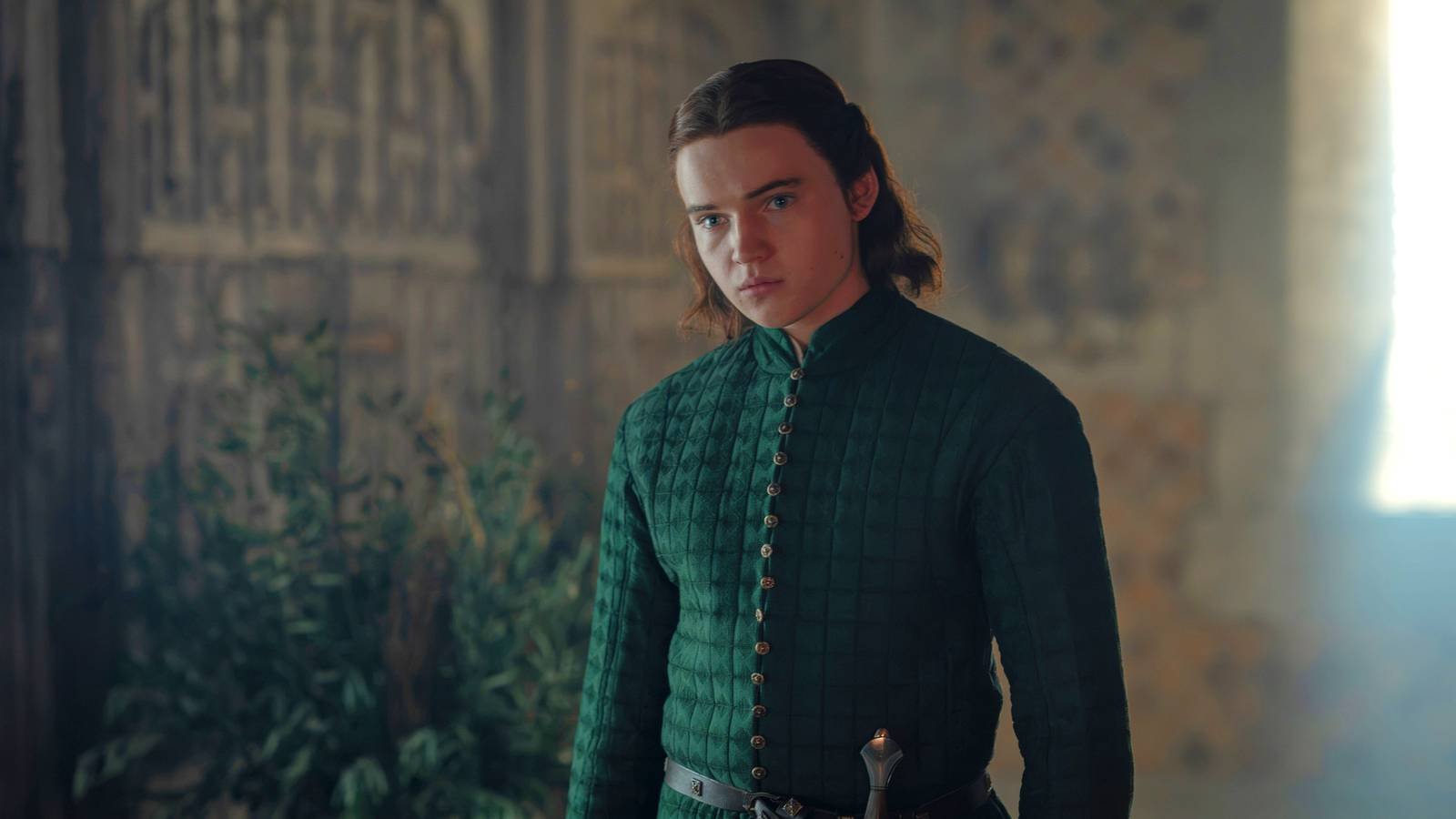
In the annals of Westerosi history, particularly during the tumultuous period known as the Dance of the Dragons, Daeron Targaryen emerges as a crucial, albeit frequently less highlighted, figure. Known as Daeron the Daring, he is depicted in Martin's source material as a young, chivalrous knight and dragonrider, bonded with the dragon Tessarion, the Blue Queen. His presence in the civil war is vital, aligning with his mother Alicent and the Greens. Historically, Targaryens are renowned for their distinctive Valyrian features: pale skin, violet eyes, and, most notably, silver-gold hair. Daeron is no exception in the books, being described as possessing the classic Targaryen look. His loyalty, bravery, and eventual tragic fate are cornerstones of his character arc, making his eventual introduction to the series a highly awaited moment for fans eager to see how the showrunners bring him to life.
Given his significant role in the conflict's later stages, Daeron's portrayal on screen carries substantial narrative weight. His eventual command of forces in the Reach and his involvement in pivotal battles underscore his importance, shifting the balance of power and influencing major events. The show's decision to perhaps delay his introduction until Season 3, rather than incorporating him earlier, suggests a deliberate pacing strategy aimed at maximizing his impact and allowing other character arcs to develop fully before his dramatic entrance into the fray.
The Enduring Symbolism of Targaryen Hair
The iconic silver-gold hair of the Targaryens is more than just an aesthetic trait; it is a potent symbol of their Valyrian heritage, their claim to the Iron Throne, and their perceived divine right to rule. It sets them apart from the other noble houses of Westeros, serving as an unmistakable marker of their unique bloodline. Across *Game of Thrones* and *House of the Dragon*, this visual characteristic has been largely adhered to, reinforcing the visual identity of the dragon-riding dynasty. Any deviation, however minor, tends to spark considerable debate among a passionate fanbase deeply invested in the lore's fidelity. For instance, the casting choices for characters like Laena and Laenor Velaryon's children in *House of the Dragon* sparked discussions regarding their departure from the book's descriptions of their hair color, illustrating the meticulous attention fans pay to such details.
The visual consistency of Targaryen hair not only provides a sense of lineage but also distinguishes legitimate heirs from those of questionable parentage, a theme frequently explored within the series. This makes the specific details of Daeron's hair color, and any potential alteration, particularly noteworthy. It begs the question of whether such a change would serve a narrative purpose, underscore a character's hidden struggles, or merely be a creative liberty taken by the production team. Understanding this context is crucial when evaluating the significance of any speculative changes to Daeron’s established appearance.
The Ormund Dyeing Theory: A Strategic Concealment?
The theory suggesting Ormund Hightower, the powerful Lord of Oldtown and cousin to Queen Alicent, might dye Daeron’s hair is one of the more inventive pieces of fan speculation currently circulating. Ormund Hightower is a formidable figure, deeply loyal to his family and the Greens. In the books, he becomes a key military leader for Alicent's faction, commanding the forces of the Reach. The theory posits that Ormund, for strategic reasons, might have Daeron's distinctive Targaryen hair dyed a more common color to conceal his identity. This could potentially occur during a period when Daeron is out of the public eye or in a vulnerable position, perhaps to protect him from enemies, facilitate covert operations, or even integrate him more seamlessly into non-Targaryen controlled territories.
The plausibility of such a plot point hinges on several factors. Westeros, despite its medieval setting, is not without its methods of disguise and deception. Historically, characters have employed various means to conceal their identities, from simple changes of clothing to more elaborate masks. Hair dyeing, while not explicitly common in the lore for highborn characters, isn't entirely out of the realm of possibility if the stakes are high enough. If Daeron's true identity needed to be masked for his protection or for a clandestine mission, Ormund, known for his pragmatic and often ruthless leadership, might indeed resort to such a measure. This theory adds an intriguing layer of espionage and hidden danger to Daeron's anticipated storyline, potentially introducing a dramatic secret that could be revealed at a crucial moment in the Dance of the Dragons.
A Star's Insight: Confirming the Buzz
During a recent interview discussing the upcoming third season, a prominent *House of the Dragon* cast member, whose identity remains guarded to avoid further specific spoilers, addressed the swirling rumors regarding Daeron's hair and the Ormund theory. While stopping short of outright confirmation or denial, the actor indicated that viewers should indeed 'pay close attention to character details, especially those that might seem incidental at first.' They elaborated, stating that 'the creative team has put immense thought into how each character's visual identity serves the larger narrative, sometimes in ways that diverge from direct book interpretations but always with a purpose.' This nuanced response has only intensified the speculation, suggesting that there might be a deliberate narrative choice behind Daeron's appearance that could either confirm or ingeniously subvert the dyeing theory.
The actor's comments underscore the show's approach to adaptation, where fidelity to the source material is balanced with a desire to create compelling visual storytelling for the screen. Their remarks hint that any alteration to Daeron's hair color, should it occur, would be deeply rooted in plot development and character motivations rather than mere oversight. This kind of behind-the-scenes insight from a cast member offers a tantalizing glimpse into the intricate decision-making process that shapes such a high-stakes production, further fueling the anticipation for Daeron's debut and the unraveling of these visual mysteries.
Implications for the Narrative and Fan Expectation
The discussion surrounding Daeron's hair color and the Ormund dyeing theory highlights a broader tension inherent in adapting beloved literary works for television: the balance between strict adherence to source material and creative license. *House of the Dragon* has, to its credit, largely maintained a high degree of visual fidelity to the Targaryen aesthetic, satisfying many fans. However, it has also demonstrated a willingness to make narrative adjustments and character embellishments where deemed necessary to enhance the dramatic impact of the story on screen. Should Daeron appear with hair that is not immediately identifiable as silver-gold, it would undoubtedly generate considerable discussion among the fanbase, potentially leading to theories about his legitimacy, a hidden past, or a strategic ruse, all of which could add intriguing layers to the already complex Dance of the Dragons.
Ultimately, the choice to potentially alter Daeron's hair color, especially if linked to a theory like Ormund dyeing it, could serve multiple purposes. It might introduce an element of surprise, deepen a character's personal struggles, or even create a visual metaphor for the shifting loyalties and hidden agendas within the civil war. Such a decision would reflect the showrunners' ongoing commitment to engaging both avid readers of *Fire & Blood* and new viewers alike, ensuring that even established lore can hold fresh surprises. As season 3 approaches, the wait to see how Daeron the Daring is finally brought to the screen, complete with all his defining characteristics, continues with bated breath.
The detailed revelations and theories surrounding Daeron Targaryen's appearance are just a glimpse into the intricate world that *House of the Dragon* continues to build. Whether his hair remains silver-gold or undergoes a mysterious transformation at Ormund's behest, his arrival promises to be a pivotal moment in the ongoing saga of the Dance of the Dragons. To stay updated on all the latest news, theories, and in-depth analyses of *House of the Dragon*, ensure you continue browsing NAME OF SITE for exclusive content and expert insights.
Fonte: https://screenrant.com