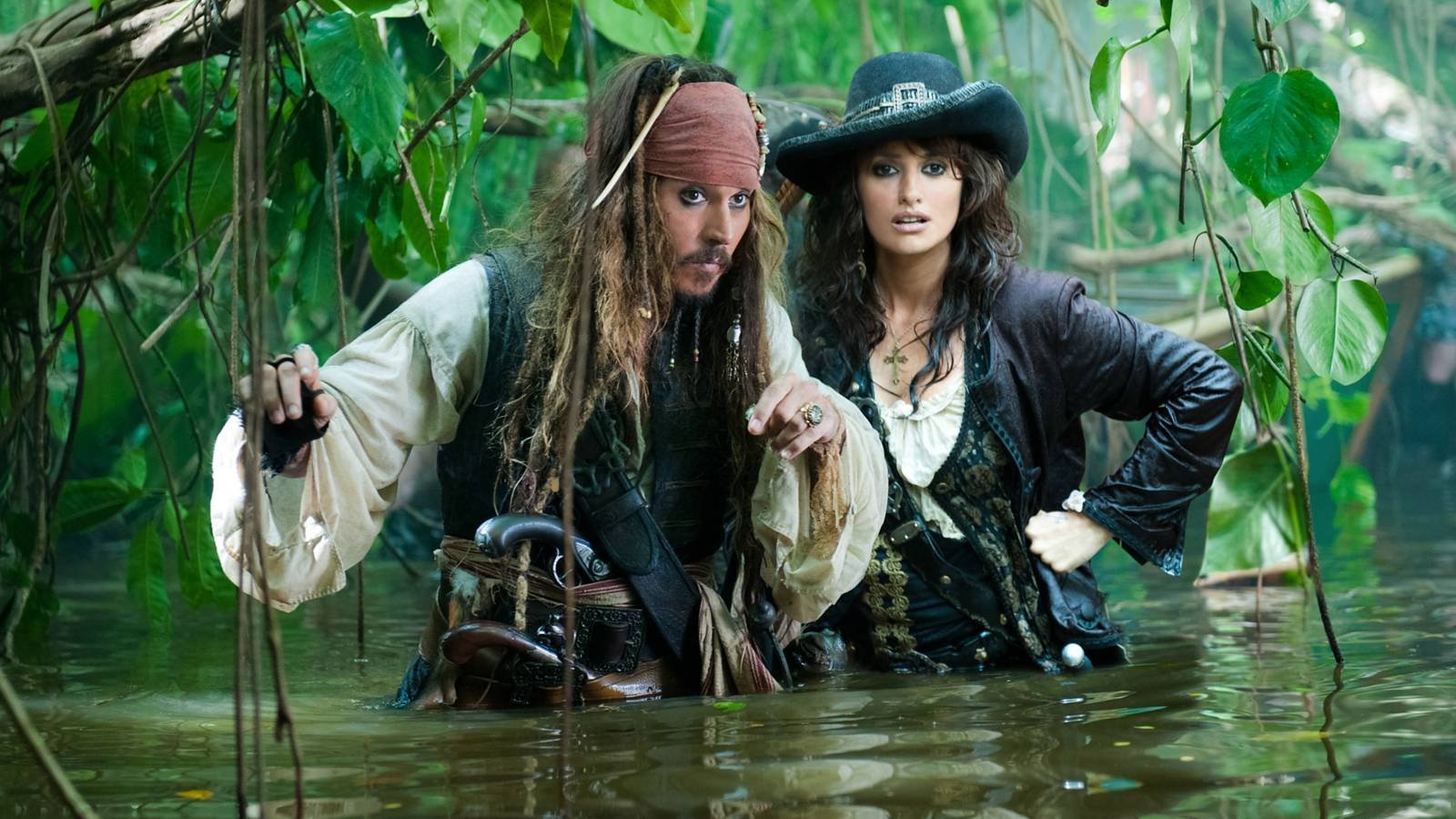
The vast, mysterious oceans have always captivated human imagination, and few cinematic franchises have harnessed this allure quite like Disney's "Pirates of the Caribbean." For nearly two decades, Captain Jack Sparrow, brought to life by Johnny Depp, has sailed into the hearts of audiences worldwide, establishing a cultural phenomenon that blends swashbuckling adventure with supernatural lore. However, a significant hiatus has left fans adrift, yearning for updates on the long-anticipated sixth installment. As the franchise prepares to hoist its sails once more, whispers of contentious changes have begun to ripple across the cinematic seas, sparking both excitement and apprehension among its dedicated fanbase. These upcoming alterations, while potentially invigorating, have also stirred considerable debate regarding the core identity and future direction of this beloved saga.
A Legacy Forged in Gold: The Enduring Impact of a Global Phenomenon
Launched in 2003 with "Pirates of the Caribbean: The Curse of the Black Pearl," the series quickly became a cornerstone of Disney's live-action empire. What began as a film inspired by a theme park ride evolved into a multi-billion-dollar saga, praised for its innovative visual effects, captivating narratives, and a memorable cast led by Depp's eccentric yet lovable pirate captain. The initial trilogy, directed by Gore Verbinski, set a high bar, achieving critical acclaim and massive box office success, effectively redefining the pirate movie genre for a new generation. Subsequent films, while still commercially robust, faced varying degrees of critical reception, yet the franchise's ability to draw audiences remained undeniable. This enduring appeal underscores the profound connection fans have developed with its richly imagined world, making any significant departure from its established formula a matter of intense scrutiny and public discussion.
The Compass Without its North: Johnny Depp and the Jack Sparrow Conundrum
At the heart of the franchise's prolonged dormancy lies the complex situation surrounding Johnny Depp. His portrayal of Captain Jack Sparrow is widely regarded as iconic, earning him an Academy Award nomination and becoming synonymous with the franchise's identity. Indeed, it is often cited as one of the most memorable character creations in modern cinema. However, legal battles and public controversies in recent years led Disney to distance itself from the actor, effectively sidelining his character. The last official release featuring Depp in the role was "Pirates of the Caribbean: Dead Men Tell No Tales" in 2017. Since then, the question of whether he will ever reprise his signature role has become a central point of debate and speculation. For many fans, Jack Sparrow is not merely a character but the very soul of the "Pirates" universe, and the prospect of a new film without his chaotic charm feels almost unthinkable. This attachment creates a significant challenge for Disney: how to evolve the franchise while acknowledging, or perhaps even addressing, the specter of its most famous captain.
Fan Sentiment and the Road to Redemption
Public sentiment regarding Depp's return remains deeply divided. While some believe a clean break is necessary for the franchise's future, fearing that his past controversies could overshadow new narratives, a vocal segment of the fanbase vociferously demands his reinstatement, viewing his absence as an injustice. Petitions and social media campaigns frequently emerge, reflecting a powerful emotional investment in the character and the actor's embodiment of him. Disney's calculus involves weighing this strong fan advocacy against the commercial and public relations risks associated with his past controversies, as well as the desire to appeal to a broader, potentially new audience. Producer Jerry Bruckheimer has, at times, indicated an openness to Depp's return, suggesting that the door might not be entirely closed, yet no concrete commitments have been made, leaving the situation in a state of tantalizing uncertainty for both the studio and the fans.
Charting New Courses: The Sixth Installment and Emerging Narratives
Despite the Jack Sparrow dilemma, development for a sixth "Pirates" film, or potentially a broader reboot, has been ongoing for several years. Multiple projects have been rumored or confirmed to be in various stages of conceptualization, indicating Disney's strong desire to revitalize the series. One widely discussed direction involved a female-led narrative, with actress Margot Robbie attached to star in a film reportedly written by Christina Hodson. This concept aimed to introduce fresh blood and a new perspective into the pirate world, moving away from the familiar male-dominated ensemble and potentially exploring new themes. While initial reports suggested this project was distinct from the main "Pirates 6" and later faced uncertainty regarding its future, its very existence signaled a willingness by Disney to experiment. Another project, reportedly penned by "Chernobyl" creator Craig Mazin and franchise veteran Ted Elliott, is also in the works, hinting at a desire to bring prestigious talent to redefine the series with potentially darker or more complex storytelling.
The Double-Edged Sword of Reinvention
These new directions, while offering exciting possibilities for revitalizing the franchise, are precisely where the "controversial changes" come into play. Purists worry that deviating too far from the original formula, particularly the absence of Jack Sparrow and the introduction of entirely new leads, could alienate long-time fans who yearn for continuity. The challenge lies in introducing compelling new characters and storylines that can stand on their own while still feeling authentically part of the "Pirates of the Caribbean" universe, maintaining its unique blend of fantasy, humor, and adventure. Disney's strategy appears to be a delicate balancing act: honoring the legacy that made the series beloved while simultaneously pushing its boundaries to appeal to a contemporary audience and ensure its future viability in an ever-evolving entertainment landscape.
Fan Impatience and the Horizon of Expectations
The long wait for a new "Pirates" film, coupled with the ambiguity surrounding its creative direction and central casting, has understandably led to growing impatience among fans. Updates have been sporadic and often contradictory, fueling speculation and frustration across online communities. For a franchise built on grand adventures and larger-than-life characters, the prolonged silence from Disney feels particularly jarring. Fans are eager not just for a new movie, but for reassurance that the spirit and magic of the original saga will be preserved, even if the faces on screen are different. The expectations are astronomically high, with many hoping for a return to the thematic depth and exhilarating action that defined the series' peak, while simultaneously dreading a misstep that could permanently tarnish its legacy and disappoint its loyal following. The anticipation is a double-edged sword, creating immense pressure for the filmmakers to deliver.
Disney's Strategic Gamble: Balancing Nostalgia and Innovation
For Disney, the "Pirates of the Caribbean" franchise represents a significant intellectual property, one that they are keen to keep alive and profitable within their vast portfolio. However, the modern cinematic landscape is fraught with examples of beloved franchises faltering when attempting reboots or sequels that deviate too drastically from their roots, alienating the very audience they seek to retain. The company's approach to "Pirates 6" is a strategic gamble: can it successfully introduce new protagonists and narratives without losing the established audience that grew up with Jack Sparrow, Will Turner, and Elizabeth Swann? The controversy isn't just about Johnny Depp's involvement; it's about the very identity of the franchise itself and what defines a "Pirates" movie. Disney must navigate these turbulent waters with extreme care, understanding that while innovation is crucial for longevity, nostalgia and fan loyalty are powerful currents that cannot be ignored without severe repercussions. The decisions made regarding the next "Pirates" installment will not only determine its immediate success but also its long-term future in a fiercely competitive entertainment market, potentially setting a precedent for how studios handle cherished, long-running sagas.
As the cinematic world eagerly awaits more concrete announcements, the future of "Pirates of the Caribbean" remains a topic of fervent discussion. Will Disney appease the longing for Captain Jack Sparrow, or boldly chart a new course that defines a fresh era for the franchise, embracing the controversial changes? The forthcoming decisions, whether embraced or contested, are poised to shape the next chapter of this beloved saga, determining if it can once again capture the magic of the high seas. For more in-depth analyses of cinematic blockbusters, exclusive interviews, and breaking news from the entertainment industry, continue exploring NAME OF SITE, where we bring the world of film directly to your screen.
Fonte: https://screenrant.com