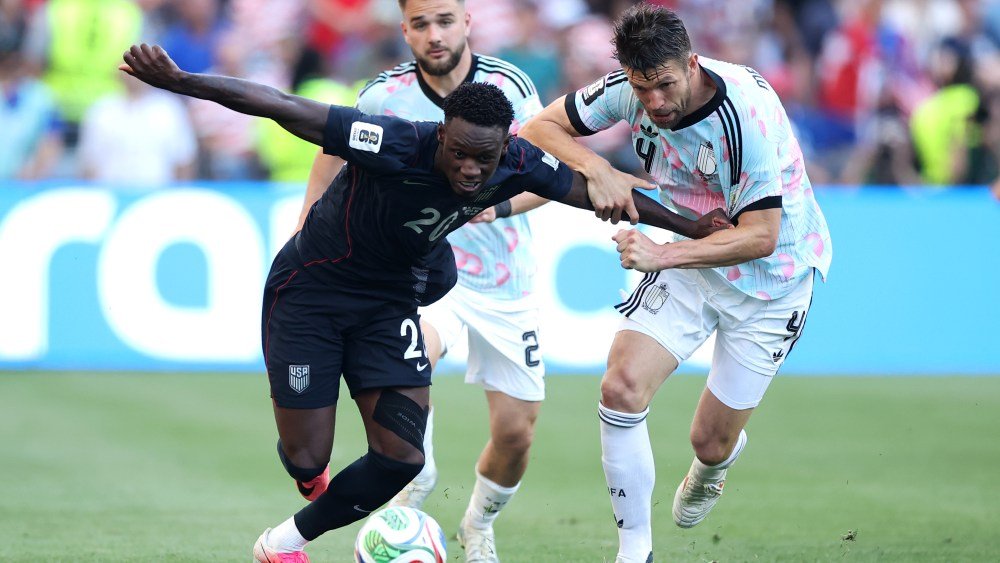
The 2014 FIFA World Cup in Brazil delivered a momentous occasion for soccer in the United States, cementing its burgeoning popularity with an unprecedented viewership milestone. Fox's live coverage of the Round of 16 match between the United States Men's National Soccer Team (USMNT) and Belgium on Monday, July 6, captured the attention of an astounding 33,086,000 viewers. This figure not only represented the most-watched soccer telecast in U.S. history but also signaled a significant shift in the American sports consumption landscape, drawing viewership numbers typically reserved for marquee events in established American sports leagues like the National Football League (NFL).
The Historic Clash: USMNT vs. Belgium
The captivating encounter took place in Salvador, Brazil, pitting a resilient USMNT against a highly-touted Belgian 'Golden Generation.' Despite a valiant effort, which included a standout performance by goalkeeper Tim Howard, the Americans ultimately succumbed to a 2-1 defeat in extra time. Goals from Kevin De Bruyne and Romelu Lukaku secured Belgium's passage to the quarterfinals, while Julian Green's late consolation goal offered a glimmer of hope for the U.S. This dramatic clash resonated far beyond traditional soccer fan bases, capturing the imagination of a nation.
Unpacking the Record-Breaking Viewership
The average of 33.1 million viewers for the USMNT-Belgium match shattered previous records, significantly surpassing the 27.3 million viewers who tuned in for the 1999 Women's World Cup final between the U.S. and China. More remarkably, this figure eclipsed the average viewership of all but one game of the 2014 NBA Finals and surpassed every game of the 2014 Stanley Cup Finals. For a sport that historically struggled to gain mainstream traction in the U.S., these "NFL-level numbers" were a powerful indicator of soccer's growing appeal. The viewership demonstrates that major international tournaments, particularly those involving the national team, possess the unique ability to draw a diverse and massive audience, including casual fans who may not follow soccer year-round.
The Ascendancy of Soccer in America
This record-breaking telecast was not an isolated incident but rather a culmination of several decades of steady growth for soccer in the United States. Factors contributing to this rise include the widespread participation in youth soccer leagues across the country, fostering a new generation of fans with an inherent understanding and appreciation for the sport. Furthermore, increasing globalization and the diverse cultural fabric of the U.S. have introduced more Americans to the global appeal of soccer. Major League Soccer (MLS), though still growing, has also played a role in providing a domestic league for fans to follow, nurturing local rivalries and developing American talent. The success of the USMNT in navigating tough World Cup groups consistently fuels national pride and interest during these quadrennial events.
Demographic Shifts and Fan Engagement
The appeal of soccer in the U.S. is notably broad, extending across various demographic groups. The 2014 World Cup, in particular, saw significant engagement from younger audiences and a diverse array of ethnic communities, reflecting the sport's global nature. Digital platforms and social media further amplified this engagement, allowing fans to share their passion, discuss matches in real-time, and access supplementary content. This multi-platform approach to consumption, alongside traditional linear television broadcasts, created an immersive experience that encouraged broader participation and deeper connection to the tournament and the national team.
Broadcasting's Role in Popularization
Fox's extensive coverage of the 2014 World Cup, following a significant investment in broadcasting rights, played a crucial role in delivering the sport to a mass audience. Their commitment to high-quality production, robust commentary, and comprehensive analysis enhanced the viewing experience. The competitive nature of sports broadcasting has pushed networks to innovate, ensuring major events like the World Cup receive top-tier treatment, thus appealing to a broader audience. Additionally, simultaneous broadcasts on Spanish-language networks, such as Univision and Telemundo, consistently drew substantial viewership, underscoring the deep-rooted passion for soccer within Hispanic communities and further contributing to overall record numbers.
Implications for the Future of U.S. Soccer
The immense success of the 2014 World Cup viewership signaled a clear message: soccer had firmly established itself as a major player in the American sports landscape. This sustained interest has long-term implications for the growth of the sport, including increased investment in youth development, expansion of professional leagues, and greater corporate sponsorship. The performance of the USMNT, even in defeat, proved that a competitive national team is a powerful catalyst for fan engagement and media attention. Looking ahead, the anticipation for future tournaments, especially the 2026 FIFA World Cup slated to be co-hosted by the United States, Canada, and Mexico, is monumental. Such events promise to further accelerate soccer's integration into the mainstream, potentially creating new viewership records and solidifying its position among America's most beloved sports.
The 2014 World Cup viewership figures are more than just numbers; they represent a cultural shift and an enduring passion for the beautiful game. As soccer continues its upward trajectory in the United States, staying informed about the latest developments, analyses, and exclusive content is essential. For in-depth coverage of American soccer, international tournaments, and the wider world of sports, be sure to explore more articles and features right here on [NAME OF SITE]. Dive deeper into the stories that shape the game and join our community of passionate fans today!
Fonte: https://variety.com