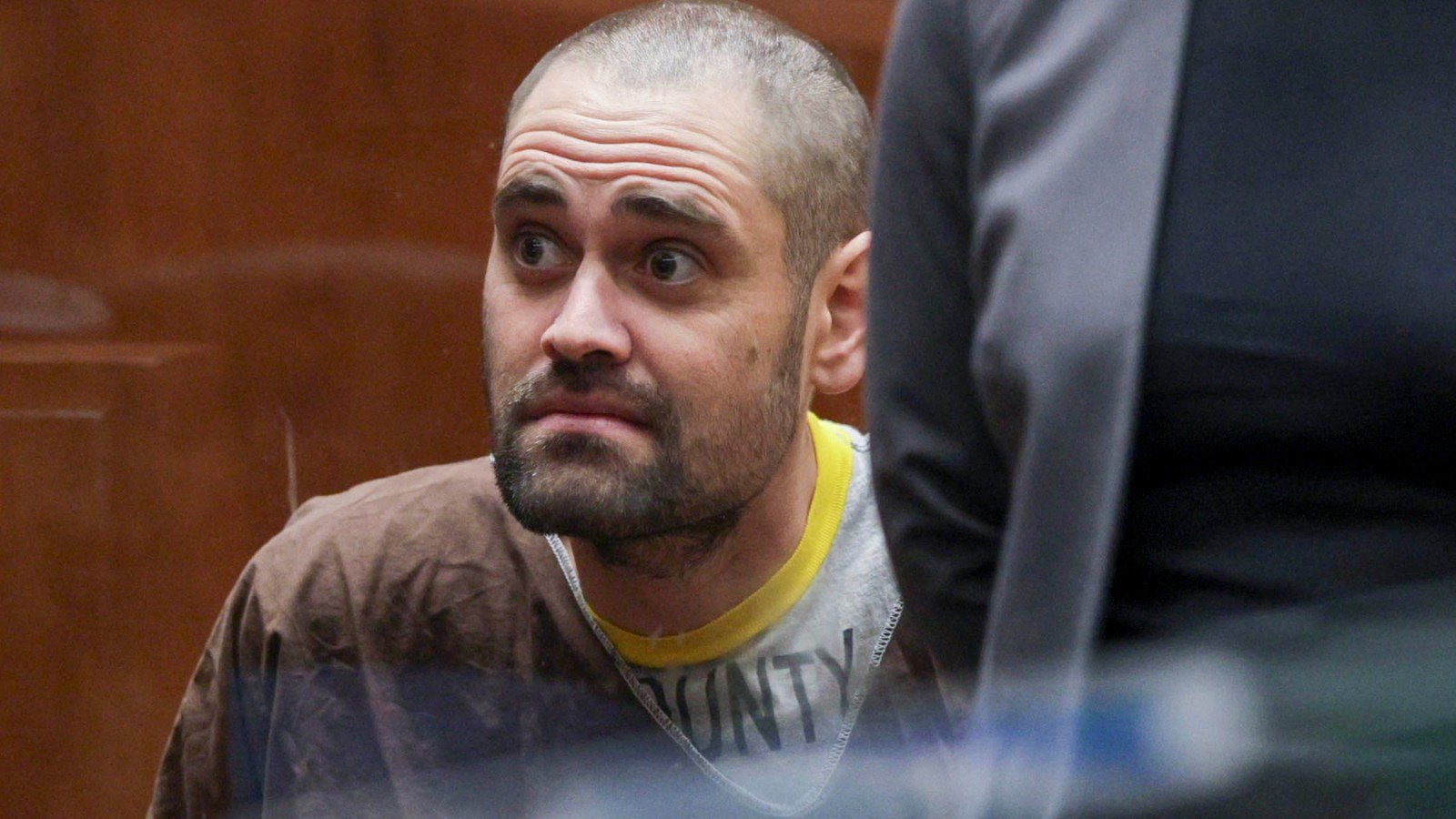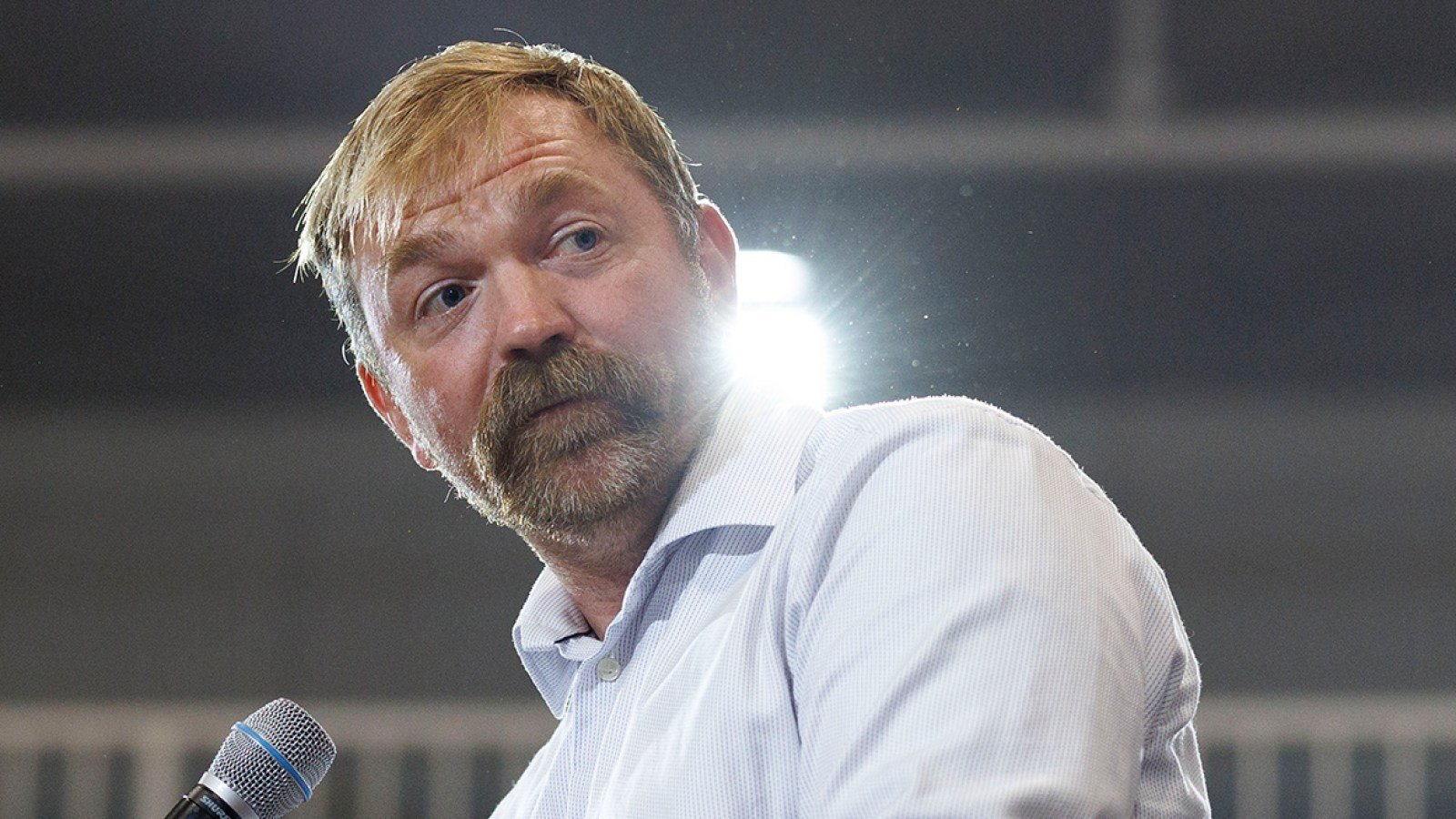
In a sudden development that has sent ripples through the political landscape, Democratic candidate Graham Platner has announced the suspension of his campaign for the U.S. Senate. This decision comes amidst a growing wave of sexual assault allegations that have cast a significant shadow over his candidacy. Platner, who aimed to unseat the long-serving Republican incumbent, Susan Collins, now leaves a substantial void in the Democratic party's efforts to flip a crucial Senate seat, prompting an immediate search for a replacement by the state party leadership.
The Unexpected Withdrawal and Its Immediate Fallout
Graham Platner’s withdrawal from the Senate race represents a dramatic turn in what was already shaping up to be a closely watched contest. His campaign, initially fueled by grassroots enthusiasm and a desire for change, had gained momentum in recent months. The allegations, which surfaced publicly in the past week, quickly intensified, creating an untenable situation for the candidate and his party. While the specifics of the allegations remain under investigation, their cumulative impact made continuing the campaign an impossibility, as Platner himself acknowledged in a brief statement citing a need to address personal matters.
The immediate fallout is palpable. Fundraising efforts have stalled, campaign staff are being notified, and the carefully constructed narrative of the Democratic challenge has crumbled. For the state's Democratic party, this development necessitates a rapid and strategic pivot. The clock is ticking, not only to identify and vet a new candidate but also to re-energize a base that may feel disheartened by the unexpected exit. The party must now navigate the delicate balance of addressing the serious nature of the allegations while simultaneously projecting a unified and determined front ahead of the upcoming election.
Graham Platner's Political Journey and Ambitions
Before these recent events, Graham Platner was seen as a rising star within the Democratic party. His political career had been marked by a focus on progressive policies and a commitment to public service. Prior to his Senate bid, Platner served in various capacities at the state level, building a reputation as a thoughtful legislator and an advocate for his constituents. His campaign platform emphasized healthcare reform, climate action, and economic equity, resonating with a demographic eager for fresh leadership and a departure from the status quo. His decision to challenge Senator Collins was viewed by many as a bold move, given her established incumbency and bipartisan appeal in the state.
Platner’s candidacy was also a reflection of a broader national trend where younger, more ideologically driven candidates sought to challenge long-entrenched political figures. He had successfully harnessed social media and digital outreach, connecting with voters who felt disenfranchised by traditional politics. This appeal allowed him to gather significant initial support and funding, positioning him as a credible threat. His sudden departure not only ends his personal political aspirations but also impacts the strategic calculations of national Democratic committees keen on securing a majority in the Senate.
The Senate Race Landscape: A Critical Battleground
The Senate seat Platner sought to win is widely considered a critical battleground in the national political arena. Incumbent Senator Susan Collins, a Republican, has held the seat for multiple terms, cultivating an image as a moderate voice capable of reaching across the aisle. However, in an increasingly polarized political climate, her voting record has faced scrutiny from both ends of the spectrum, making her vulnerable to a strong challenger. The state's voters often demonstrate a willingness to split their tickets, making individual candidate appeal particularly important.
The Democratic party had invested heavily in this race, viewing it as one of the most viable opportunities to gain a seat and potentially shift the balance of power in the Senate. A shift in the Senate majority could have profound implications for legislative priorities, judicial appointments, and the overall direction of national policy. With Platner's withdrawal, the dynamics of this pivotal race are thrown into disarray, creating an opening for other potential candidates but also introducing uncertainty and requiring a significant expenditure of resources and time to rebuild momentum.
The Candidate Replacement Process
According to state election laws and party bylaws, the Democratic state party committee now has the responsibility of selecting a replacement candidate to appear on the ballot. This process, typically guided by a combination of public input, internal deliberations, and vetting procedures, must unfold swiftly given the proximity of the general election. The party will likely convene an emergency committee meeting, potentially involving senior party officials, elected representatives, and prominent community leaders, to deliberate on suitable replacements.
Potential candidates will need to demonstrate not only a strong grasp of policy and political experience but also the ability to quickly mobilize a campaign infrastructure, raise funds, and connect with voters. Names currently circulating in political circles include state legislators, former gubernatorial candidates, and even municipal leaders who possess a established public profile and a history of successful campaigning. The challenge lies in finding someone who can not only unify the party but also effectively challenge an experienced incumbent like Senator Collins with limited time before election day. The party's decision will be crucial in determining the competitiveness of the race moving forward.
Broader Implications for Political Campaigns and Public Trust
This incident also carries broader implications for political campaigns and the public's trust in elected officials. In an era where scrutiny of candidates' past conduct is intense, especially concerning issues of sexual harassment and assault, such allegations can swiftly derail even the most promising campaigns. It underscores the ongoing societal reckoning with accountability, amplified by movements that demand justice and transparency from individuals in positions of power or those aspiring to them.
The withdrawal of a candidate under these circumstances can erode public confidence in the political process itself, leading to cynicism among voters. It highlights the imperative for political parties to conduct thorough vetting of candidates before they are nominated, not just for policy positions, but also for personal conduct and ethical standards. Restoring trust and demonstrating a commitment to ethical leadership will be paramount for the Democratic party as it navigates this challenging period and seeks to present a credible and untainted alternative to the incumbent.
The swift exit of Graham Platner from the Senate race due to sexual assault allegations marks a significant moment, transforming a high-stakes political contest and raising critical questions about accountability and the future of political campaigns. As the Democratic party scrambles to identify a new contender and rebuild its campaign strategy, the implications of this event will undoubtedly resonate through the election cycle and beyond. For an ongoing, in-depth analysis of this developing story and its profound impact on the political landscape, continue exploring our comprehensive coverage at NAME OF SITE, your trusted source for insightful journalism and up-to-the-minute updates.
Fonte: https://www.rollingstone.com