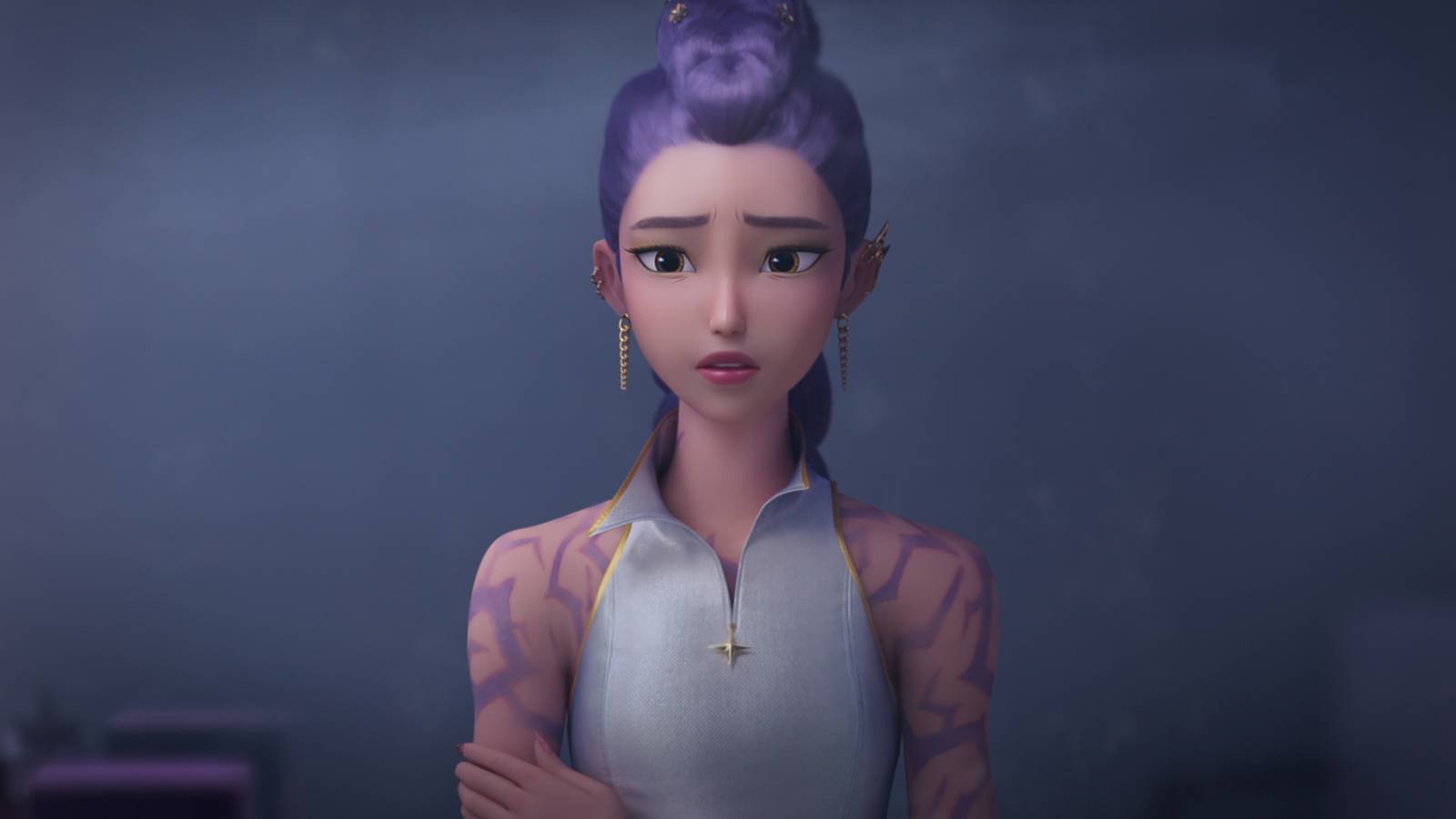
In the ever-evolving landscape of streaming content, sequels to popular animated features often arrive with a mixture of excitement and anticipation for fans. One such project generating significant buzz is the upcoming sequel to Netflix's acclaimed original, <b>KPop Demon Hunters</b>. While still deep in its development phase, early revelations indicate a pivotal change that promises to reshape the narrative: the replacement of a major character. This decision sets the stage for a potentially fresh direction for the beloved animated world, prompting questions about its implications for the storyline and the enduring appeal of the franchise.
The Rise of KPop Demon Hunters and Netflix's Animation Prowess
Netflix has, over the past decade, dramatically diversified its content portfolio, emerging as a powerhouse in original programming. While its library spans a vast array of genres, including critically acclaimed live-action films and series that now rank among the best of all time, the streaming giant has particularly distinguished itself in the realm of animated content. This strategic focus has yielded a diverse collection of animated features and series, ranging from adult-oriented dramas to family-friendly adventures, many of which have garnered significant viewership and critical praise globally. <b>KPop Demon Hunters</b> stands as a testament to this success, having rapidly become one of Netflix’s more recent and impactful hits. Its unique premise, blending the vibrant aesthetics and energetic performances of K-Pop with the thrilling action of demon hunting, resonated with a broad audience, demonstrating Netflix's ability to identify and cultivate niche yet universally appealing concepts.
Netflix's Animation Strategy and Global Impact
Netflix’s commitment to animation is not merely about volume; it's about fostering creativity and global storytelling. By investing heavily in studios and creators worldwide, the platform has managed to produce animated works that transcend cultural barriers. Titles like “Arcane,” “Guillermo del Toro’s Pinocchio,” and “Klaus” exemplify this commitment, showcasing a range of artistic styles and narrative depths. <b>KPop Demon Hunters</b> aligns perfectly with this strategy, leveraging the immense global popularity of K-Pop music and culture. This cross-cultural appeal allows the series to tap into existing fanbases while introducing new viewers to both the K-Pop phenomenon and compelling animated storytelling. Its success underscores the efficacy of Netflix's approach to creating content that feels both unique and universally engaging, often by blending unexpected genres or cultural touchstones.
The Unveiling of KPop Demon Hunters 2: A Pivotal Character Shift
The announcement of a sequel to <b>KPop Demon Hunters</b> naturally ignited enthusiasm, but the accompanying news of a major character replacement introduces an intriguing layer of speculation. For an animated series, such a change can stem from various production factors, including creative decisions to refresh the narrative, the departure of a voice actor, or the strategic introduction of new dynamics to explore previously untouched story arcs. While the specifics of which character will be replaced and the exact reasons behind this choice remain under wraps, the impact on the sequel’s direction is undeniable. This deliberate shift signals a potential evolution in the series' world-building and character development, prompting fans to consider how this new void or addition will influence the core ensemble and the overarching conflict against demonic forces.
Navigating Character Changes in Animated Franchises
Character replacements, while often met with initial apprehension, are not uncommon in the history of animated franchises. For instance, the recasting of beloved characters due to voice actor changes or the strategic phasing out of characters to make room for new ones has occurred in numerous long-running series. Some transitions, such as the gradual evolution of supporting characters into central roles in series like “Avatar: The Last Airbender,” have been lauded for enriching the narrative. Others, like significant voice changes for iconic figures in certain animated films, have been met with mixed reactions. The key to success often lies in the writers' ability to seamlessly integrate the change into the existing lore, ensuring that the new character or the revamped role serves to enhance, rather than detract from, the established universe. For <b>KPop Demon Hunters 2</b>, this means a careful balance will be needed to respect the foundation laid by its predecessor while boldly moving forward.
The Interplay of K-Pop Culture and Animated Storytelling
The original <b>KPop Demon Hunters</b> skillfully merged the high-energy, visually spectacular world of K-Pop with the dramatic stakes of demon hunting. This fusion created a vibrant and engaging universe that capitalized on the global phenomenon of K-Pop, which transcends musical genres to encompass a full cultural experience, including fashion, dance, and fan engagement. The series effectively translated the dazzling stage presence and intricate choreography of K-Pop idols into compelling action sequences, making the battles feel both stylish and impactful. The decision to replace a major character in the sequel suggests an opportunity to further explore this unique blend, perhaps introducing a new personality who embodies a different facet of K-Pop culture or brings a fresh skillset to the demon-hunting team, thereby broadening the narrative's thematic scope. This ensures that the series remains innovative and continues to surprise its audience.
Future Implications and Fan Engagement
As <b>KPop Demon Hunters 2</b> continues its development, the fan community will undoubtedly be scrutinizing every piece of information released. The character replacement could spark extensive discussion and speculation, driving engagement and maintaining interest leading up to the sequel's release. For the creative team, this presents a dual challenge and opportunity: to honor the expectations set by the first installment while bravely innovating. A successful integration of the new character, or a compelling explanation for the departure of the old, could deepen the emotional resonance of the story and reinforce the franchise’s potential for longevity. Ultimately, the sequel's ability to maintain the original's charm, action, and unique cultural blend, while effectively managing this significant character transition, will define its success and further solidify <b>KPop Demon Hunters</b> as a key animated property for Netflix.
The upcoming sequel to <b>KPop Demon Hunters</b> is shaping up to be more than just a continuation; it's an evolution. With a major character replacement on the horizon, fans are poised for a refreshed narrative that promises new dynamics and challenges for their favorite K-Pop-inspired demon hunters. This strategic move highlights Netflix's ongoing commitment to pushing creative boundaries in animation and delivering content that continues to captivate global audiences. To stay informed about all the latest developments, exclusive insights, and in-depth analyses of your favorite series and films, be sure to keep browsing NAME OF SITE for more exciting updates and comprehensive coverage.
Fonte: https://screenrant.com