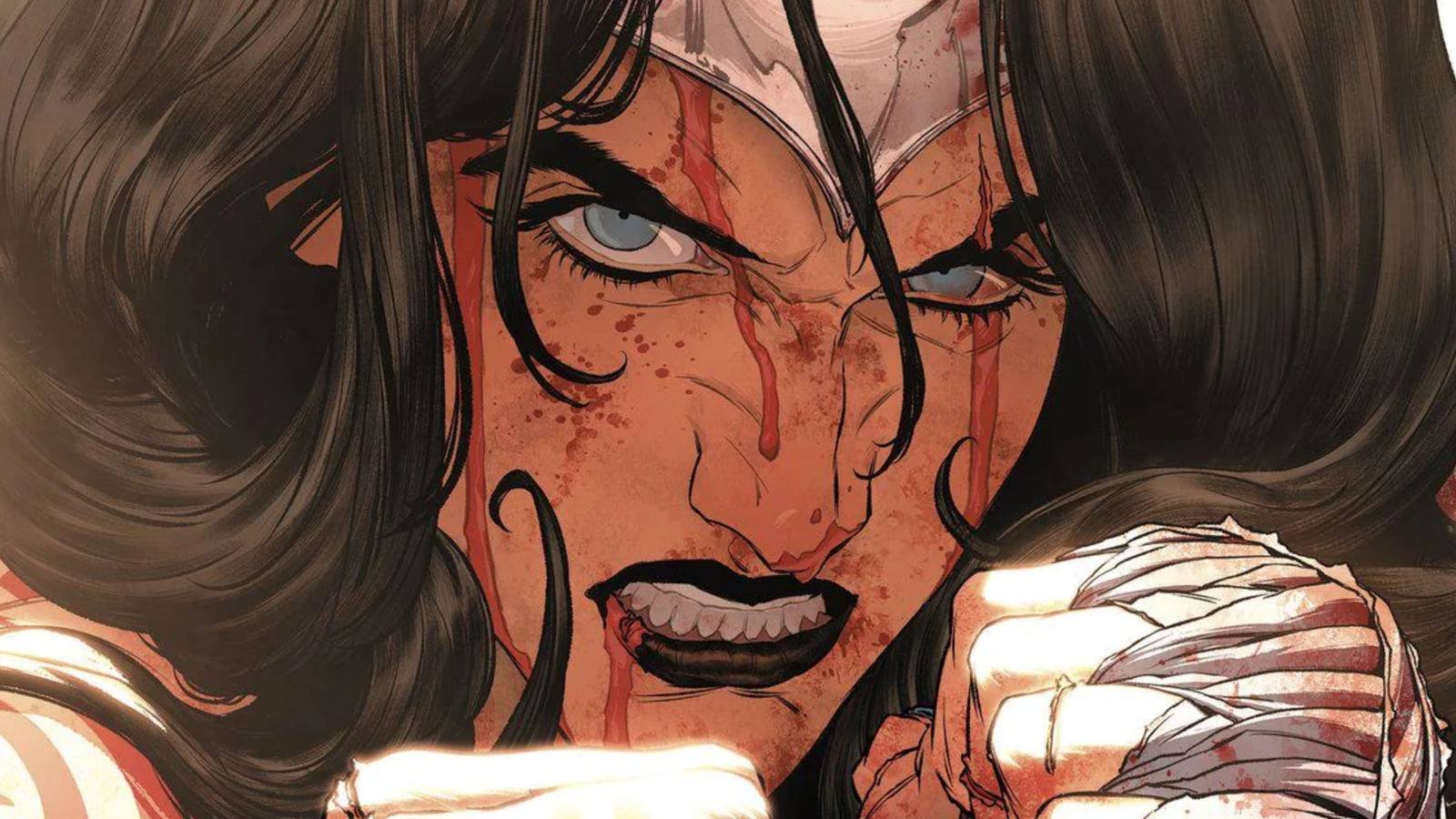
The gaming community, particularly avid DC Comics fans, recently absorbed a disheartening announcement: the highly anticipated Wonder Woman game, under development by Monolith Productions, has been officially canceled. This news, met with a wave of disappointment, not only signifies the loss of a potentially groundbreaking title but also casts a critical light on Warner Bros. Games' strategic direction. The cancellation has sparked a broader conversation about the future of DC character adaptations in the gaming world and the apparent hesitance to venture beyond the undeniable, yet perhaps limiting, success of the Batman-centric titles.
The Unforeseen Cancellation of a Highly Anticipated Title
The revelation that Monolith Productions' Wonder Woman project would not see the light of day was a significant blow. For many, the concept of a game featuring the Amazonian princess from the studio behind the critically acclaimed Middle-earth: Shadow of Mordor and Shadow of War was incredibly promising. Monolith had garnered a reputation for crafting immersive open-world experiences, notably distinguished by its innovative Nemesis System. This system, which allowed enemies to remember and react to player interactions, promised a unique layer of emergent storytelling and dynamic gameplay that fans speculated could revolutionize how players engaged with Diana Prince's world. The potential for a Wonder Woman game to integrate elements of diplomatic engagement, fierce combat, and exploration of Themyscira and beyond, all within Monolith's innovative design philosophy, made its cancellation particularly painful.
Monolith Productions: A Legacy of Innovation and Unfulfilled Promise
Monolith Productions has a storied history in the video game industry, known for pushing boundaries with titles like F.E.A.R. and the Middle-earth series. Their expertise lies in creating compelling narratives within action-packed frameworks, a skill set perfectly aligned with the rich lore and character of Wonder Woman. The expectation was that Monolith would deliver a game that not only honored Diana's warrior ethos but also explored her compassion, wisdom, and role as a symbol of hope and justice. The studio’s track record suggested they could craft a nuanced portrayal of a character often reduced to her combat prowess, delving into the complexities of her origin, her struggles with man's world, and her unique set of abilities. The thought of applying the Nemesis System to Wonder Woman's rogues' gallery or even to dynamically generated Amazons and villains presented a tantalizing prospect that now remains forever in the realm of 'what if.'
Warner Bros. Games' Strategy: A Double-Edged Sword
The cancellation of the Wonder Woman game brings into sharp focus Warner Bros. Games' overarching strategy regarding its valuable DC Comics intellectual property. For over a decade, the publisher has largely leaned on the monumental success of the Batman: Arkham series, developed by Rocksteady Studios and WB Games Montreal. These titles not only redefined superhero gaming but also set a benchmark for narrative depth, combat mechanics, and atmospheric world-building. The commercial and critical acclaim of the Arkham games created a lucrative template, one that Warner Bros. has seemingly found difficult to deviate from, leading to a perceived overreliance on the Dark Knight and his immediate supporting cast or rogues gallery.
The Shadow of the Bat: Success and its Repercussions
The unparalleled triumph of the Batman: Arkham franchise, starting with Arkham Asylum in 2009, established a high bar that subsequent DC game projects have struggled to meet or even reach. This success, while beneficial for Warner Bros. Games' bottom line, appears to have inadvertently fostered a conservative development approach. The strategy seems to prioritize known quantities—primarily Batman and Gotham City—over exploring the vast, diverse pantheon of DC characters. This risk aversion stems from the immense investment required for AAA game development and the desire to minimize financial exposure by replicating proven successes. Consequently, other iconic heroes like Superman, The Flash, Green Lantern, and indeed Wonder Woman, have often been relegated to supporting roles or ensemble games, rather than receiving the dedicated, high-budget, single-player experiences they arguably deserve.
The Broader Landscape of DC Gaming: Beyond Gotham's Grasp
Warner Bros. Games has made attempts to expand its DC gaming portfolio beyond the direct Arkham lineage, but with mixed results. Titles like Gotham Knights, which featured Batman's protégés, and the more recent Suicide Squad: Kill the Justice League, which stars a roster of DC villains, illustrate the challenge of recapturing the Arkham magic. While these games attempted to offer fresh perspectives within the DC universe, their reception highlighted that simply featuring DC characters or adhering to certain gameplay tropes does not guarantee the same level of success or fan engagement as the Arkham series. This further reinforces the strategic dilemma for WB Games: innovate with new characters and risk falling short, or stick to the tried-and-true Batman formula, potentially alienating fans eager for diversity.
The wealth of narrative potential within the DC universe is immense, with countless stories and characters ripe for exploration in interactive media. Imagine a Flash game that truly captures the sensation of super-speed, a Superman game that allows players to embody the invulnerable symbol of hope, or a Green Lantern title that harnesses the power of imagination through construct creation. The cancellation of the Wonder Woman game represents a missed opportunity not just for that specific character, but for the broader evolution of superhero gaming under the DC banner, leaving a void where ambitious new narratives could have flourished.
What Now? The Search for "The Next Best Thing"
With the Wonder Woman game now relegated to development history, fans are left to ponder what constitutes "the next best thing." This phrase could encompass a range of possibilities: it might refer to other upcoming DC titles from various studios, signaling a diversified approach that could emerge from Warner Bros.' current strategy; it could point to the enduring quality and replayability of existing DC games that are not Batman-focused, offering solace in their established narratives; or it could simply be a collective hope for future projects that genuinely explore the depth and breadth of the DC universe with the ambition and innovation that Wonder Woman's cancellation regrettably lacked. Ultimately, the future of DC gaming will depend on Warner Bros. Games' willingness to embrace calculated risks and empower its diverse roster of heroes with the dedicated development attention they deserve, moving beyond the shadow of Gotham's most famous vigilante.
The cancellation of the Wonder Woman game is a moment of reflection for the entire industry, highlighting the delicate balance between creative ambition and commercial viability. While this particular journey has ended, the desire for an expansive and diverse DC gaming universe remains strong among fans. To stay informed about the latest developments in superhero gaming, exclusive analyses, and in-depth reviews of upcoming titles, we encourage you to continue exploring the extensive content available right here on NAME OF SITE.
Fonte: https://screenrant.com