For decades, NBC has stood as a towering pillar of American television, serving as the launchpad for some of the most iconic and culturally significant series in broadcast history. From groundbreaking comedies to gripping dramas, the network captivated audiences, often drawing unprecedented numbers of viewers to their screens. While major live events like the Super Bowl or prestigious awards ceremonies consistently command vast viewership, the performance of NBC's scripted programming throughout the years offers a fascinating chronicle of shifting media landscapes and the enduring power of compelling storytelling. In its heyday, particularly during the revered 'Must-See-TV' era of the 1980s and 1990s, NBC's prime-time lineup could regularly attract between 30 and 40 million viewers. These figures, once a standard measure of success, now represent an extraordinary anomaly in an increasingly fragmented digital age, underscoring a remarkable chapter in television history where collective viewing experiences united millions across the nation.
The Golden Age of Network Television: A Shared Cultural Tapestry
Before the proliferation of cable channels, satellite television, and the modern streaming revolution, the three major broadcast networks — NBC, CBS, and ABC — dominated the American entertainment landscape. Viewers had limited options, making network programming a central, shared cultural experience. Households would gather around the television set on specific nights, eagerly anticipating the latest installments of their favorite shows. This era fostered a sense of collective engagement, where water cooler conversations revolved around cliffhangers, character developments, and memorable punchlines from the previous night's broadcasts. NBC expertly capitalized on this environment, crafting schedules that maximized audience retention and built immense loyalty over time.
The Phenomenon of 'Must-See-TV'
The zenith of NBC's audience dominance was arguably the 'Must-See-TV' block, primarily on Thursday nights, which became synonymous with groundbreaking comedies and critically acclaimed dramas. This strategic programming initiative in the 1980s and 1990s created an unbeatable lineup that often began with a hit comedy and flowed seamlessly into other popular shows, keeping viewers glued to their sets for hours. Iconic series such as *Cheers*, *The Cosby Show*, *Seinfeld*, *Friends*, and *ER* were not just popular; they were cultural institutions. Their episodes often transcended mere entertainment, sparking national conversations, influencing fashion, and even shaping linguistic trends. The sheer quality and consistent appeal of these shows built a loyal viewership base that consistently delivered astronomical ratings, making them some of the most valuable properties in broadcasting history.
Understanding Viewership: Metrics in a Bygone Era
To truly appreciate the magnitude of NBC's most-watched episodes, it's essential to understand the measurement methodologies of the time. Nielsen ratings were, and to a degree still are, the gold standard for television audience measurement. In the pre-digital age, these ratings were predominantly derived from a sample of households equipped with 'people meters' or diaries, meticulously tracking what was being watched. These metrics focused heavily on live viewership, as DVRs and on-demand streaming were decades away. Consequently, the reported numbers represented a far more direct and concentrated snapshot of national engagement than today's fragmented, multi-platform viewership figures. This historical context illuminates why attaining 30 to 40 million viewers for a single scripted episode was not only possible but became a recurring achievement for top-tier NBC programs.
Defining Moments: Iconic Episodes That Captured a Nation
While compiling an exhaustive list of the ten single most-watched episodes would require extensive historical data, the spirit of the original title points to pivotal moments when NBC's scripted content commanded unparalleled attention. These episodes were often the culmination of years of character development, intricate plotlines, or highly anticipated events. They weren't just broadcasts; they were shared national experiences that solidified NBC's place in the cultural consciousness. These included major series finales, which often served as communal goodbyes to beloved characters, and critical story arcs that built immense suspense and emotional investment.
Series Finales as Cultural Events
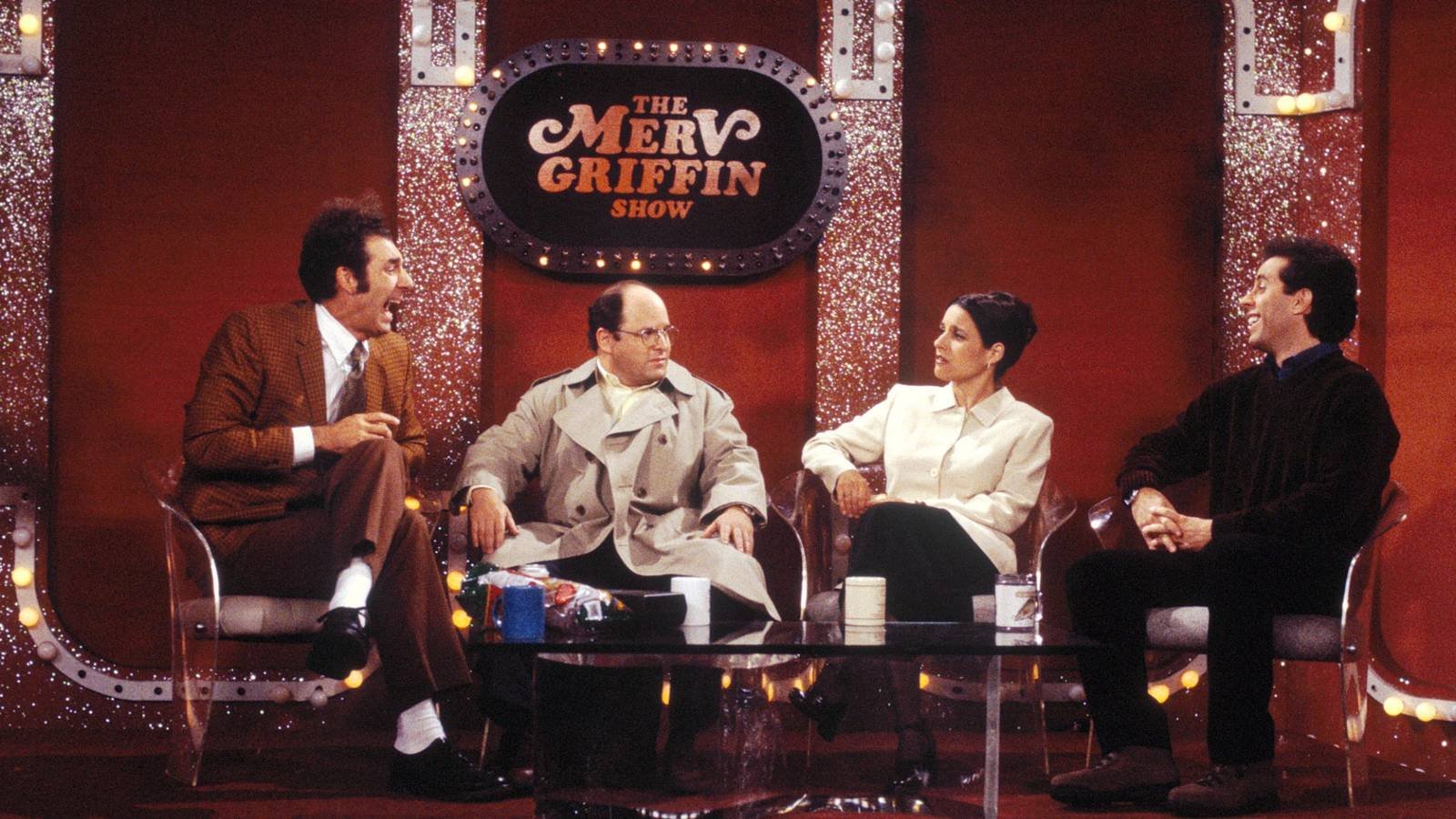
No type of episode demonstrated NBC's power to unite audiences more effectively than its series finales. The farewells to shows like *Cheers* in 1993, *Seinfeld* in 1998, and *Friends* in 2004 were not merely the conclusions of television programs; they were major cultural events. Viewers tuned in en masse to witness the final fates of characters they had welcomed into their homes for years. The *Cheers* finale, for instance, drew a colossal audience, signifying the end of an era for network sitcoms. Similarly, the *Seinfeld* finale, despite mixed critical reception, generated immense anticipation and discussion, becoming one of the most talked-about television events of its decade. The *Friends* finale shattered records, as millions said goodbye to Central Perk's beloved group, cementing its status as a benchmark for farewell episodes.
Major Story Arcs and Event Episodes
Beyond finales, specific episodes featuring significant plot developments often soared in viewership. These could be weddings, births, dramatic character departures, or pivotal turning points in a series' overarching narrative. For instance, the 'Will They/Won't They' dynamic in many sitcoms, or life-and-death stakes in dramas like *ER*, consistently delivered high ratings for NBC. Episodes where long-simmering relationships finally culminated, or where beloved characters faced unforeseen challenges, often prompted widespread tuning in. These 'event episodes' were meticulously crafted to maximize emotional impact and viewer engagement, demonstrating the network's mastery of episodic storytelling and audience anticipation.
The Digital Transformation: A New Era of Viewing
The landscape of television consumption has undergone a seismic shift since NBC's peak viewership era. The advent of hundreds of cable channels, followed by the internet's explosion, DVR technology, and ultimately, the dominance of streaming services like Netflix, Hulu, and Peacock, has irrevocably fragmented the audience. Today, a show attracting even a fraction of the 30-40 million viewers from the 80s or 90s is considered a monumental success. Viewers now have unprecedented control over what, when, and where they watch content, making simultaneous mass viewership for scripted programming a rare occurrence. This transformation has redefined what constitutes a 'most-watched' episode, shifting from raw linear viewership numbers to a more complex calculus involving live-plus-same-day, live-plus-seven-day, and streaming metrics.
The Enduring Legacy of NBC's Storytelling Prowess
Despite the dramatic evolution of media consumption, the legacy of NBC's most-watched episodes remains indelible. They represent a golden era where television held a unique power to unite millions in a shared narrative experience. The creativity, innovation, and cultural impact of shows like *Cheers*, *The Cosby Show*, *Seinfeld*, *Friends*, and *ER* set benchmarks for quality programming that continue to influence storytellers today. These episodes, with their record-breaking viewership, are not just statistical footnotes; they are milestones that reflect NBC's profound influence on American popular culture and the evolution of television as a medium. They remind us of a time when the entire nation could gather, collectively invested in the unfolding stories on a single network.
Delving into the history of television's biggest moments offers invaluable insights into our shared cultural heritage and the ever-changing dynamics of entertainment. To continue exploring fascinating stories about media, culture, and the evolution of digital journalism, we invite you to browse more in-depth content and analyses right here on [NAME OF SITE]. Discover new perspectives and revisit iconic moments with us!
Fonte: https://screenrant.com