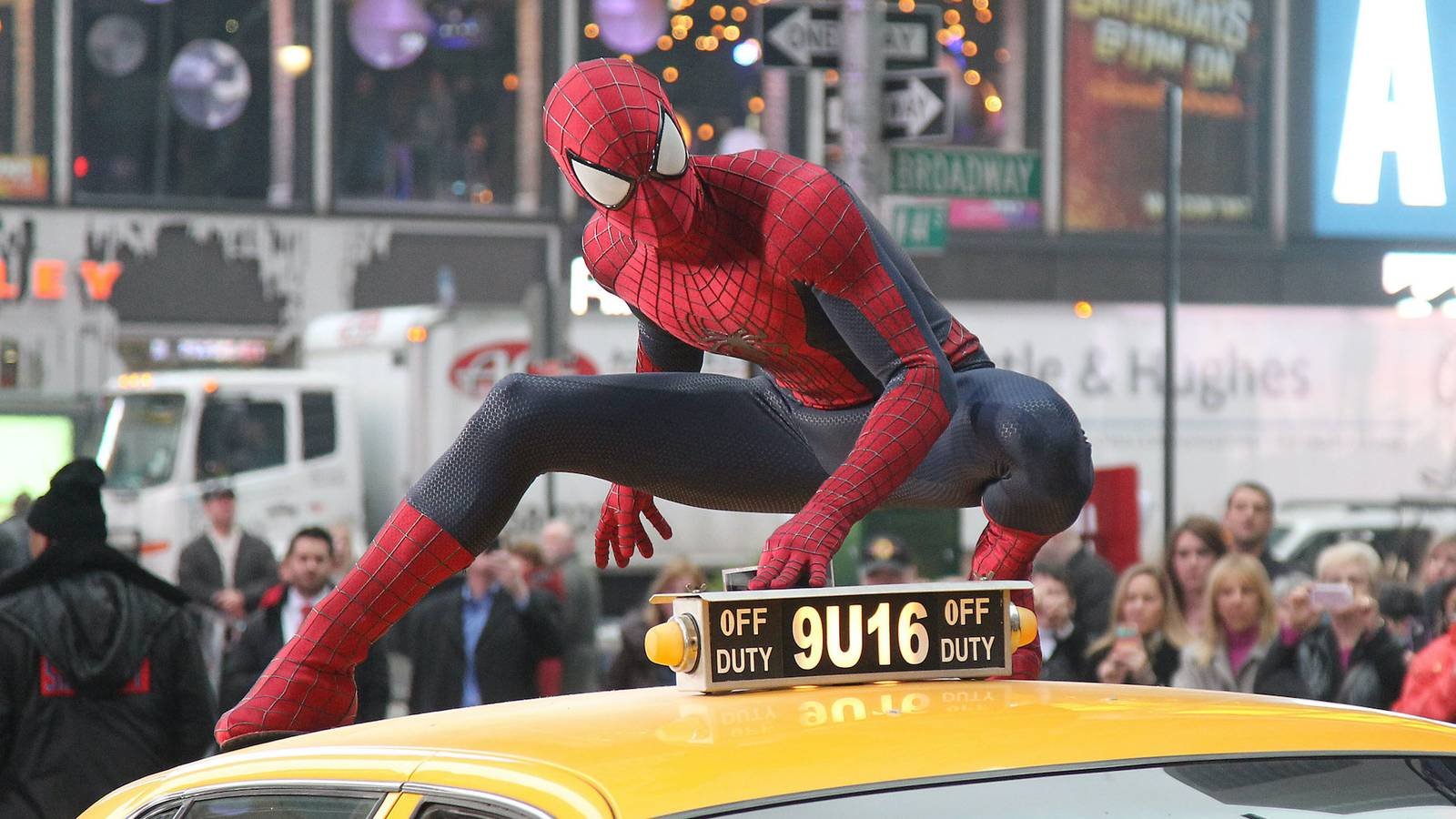
In a fascinating glimpse into what could have been, recently unearthed concept art has provided an illuminating, and indeed explosive, look at the scrapped *Sinister Six* spinoff movie that was intended to expand Andrew Garfield's tenure as Spider-Man. This revelation not only ignites renewed speculation among fans but also offers concrete visual evidence of Sony Pictures' ambitious plans for its web-slinger universe before the character's eventual integration into the Marvel Cinematic Universe (MCU). The surfacing of these detailed designs serves as a powerful reminder of the intricate narratives and character developments that were meticulously crafted, yet ultimately left unrealized, within *The Amazing Spider-Man* saga. For enthusiasts of cinematic history and superhero lore alike, this concept art provides a unique window into the creative process and the dramatic shifts that frequently shape the landscape of major film franchises.
The Visual Revelation: A Deeper Look at the Concept Art
The newly surfaced concept art, originating from various digital platforms and artist portfolios, offers a robust visual framework for the proposed *Sinister Six* film. While specific artists or official sources are sometimes obscured by the passage of time and the nature of scrapped projects, the artistry unmistakably aligns with the production aesthetics of *The Amazing Spider-Man* films. These vibrant illustrations detail potential character designs for key members of the villainous ensemble, giving fans their clearest indication yet of how these iconic adversaries might have appeared on screen. From the menacing mechanical arms of Doctor Octopus to the electrifying presence of Electro, the designs showcase a commitment to both comic book accuracy and cinematic realism, striving to render these villains as formidable and visually distinct threats. The 'explosive' nature of these visuals lies in their intricate detail and the sense of kinetic energy they convey, hinting at action sequences and character dynamics that would have been central to the film's narrative. Each piece of art seems to tell a fragment of a story, hinting at individual motivations and the collective power of this formidable alliance, thereby enriching our understanding of the project's envisioned scope.
The Genesis of a Villainous Alliance: Sony's Ambitions for the ASM Universe
Following the release of *The Amazing Spider-Man 2* in 2014, Sony Pictures harbored grand ambitions for its burgeoning Spider-Man universe, with a keen focus on expanding beyond Peter Parker's solo adventures. The ending of *The Amazing Spider-Man 2* explicitly teased the formation of the Sinister Six, with Gustav Fiers, the mysterious Man in the Shadows, navigating the secret compartments of Oscorp to assemble a roster of supervillain gear. This was a deliberate setup, not merely an Easter egg, signaling the studio's intention to pivot towards a shared universe model, much like its Marvel counterparts. Acclaimed writer and director Drew Goddard was tapped to helm the *Sinister Six* project, with plans for him to write and direct the film, offering a unique villain-centric perspective that aimed to explore the antagonists' motivations and complexities. The vision was not just to present six villains for Spider-Man to fight, but to craft a narrative where these disparate characters, each with their own grudges and powers, would coalesce into a formidable and compelling force, potentially even as anti-heroes in their own right. This approach was considered daring for its time, envisioning a major blockbuster led by antagonists rather than a traditional protagonist.
Andrew Garfield's Spider-Man: A Hero in a World of Rising Threats
Andrew Garfield's portrayal of Peter Parker brought a distinct blend of angst, wit, and vulnerability to the character, resonating with a segment of the fanbase. His Spider-Man was navigating a deeply personal journey, marked by tragedy and a heavy sense of responsibility. The *Sinister Six* film would have undoubtedly thrust his iteration of Spider-Man into his greatest challenge yet, forcing him to confront not just one, but an entire coalition of powerful foes. This narrative direction offered fertile ground for exploring Peter's resilience, his morality, and the immense pressure of being New York City's sole web-slinging protector against an organized threat. The concept art’s revelation serves as a poignant reminder of Garfield’s unfulfilled potential within this universe, a potential that was only briefly revisited and celebrated years later in *Spider-Man: No Way Home*, sparking renewed fan interest in what his journey could have entailed had the original plans come to fruition. His return in the multiverse-spanning film underscored the impact his take on the character had, and subsequently, how eagerly fans would have embraced a direct continuation of his storyline.
The Scrapping of a Cinematic Vision: What Led to its Demise
Despite the ambitious groundwork laid by Sony, the *Sinister Six* project, along with the broader *Amazing Spider-Man* universe, was ultimately abandoned. The primary catalyst for this dramatic shift was the critical and commercial underperformance of *The Amazing Spider-Man 2*, which, despite grossing over $700 million worldwide, did not meet Sony's high financial expectations and received mixed reviews. This prompted a strategic reevaluation of the franchise's direction. More significantly, a groundbreaking deal was struck between Sony Pictures and Marvel Studios in 2015, which allowed Spider-Man to be integrated into the highly successful Marvel Cinematic Universe. This historic agreement necessitated a complete reboot of the character, leading to the casting of Tom Holland and a new continuity. Consequently, all previous plans for Garfield's Spider-Man, including *The Amazing Spider-Man 3* and the *Sinister Six* spinoff, were shelved indefinitely. The studio priorities shifted entirely to aligning Spider-Man with the established MCU narrative, abandoning the previously envisioned solo universe and its meticulously planned spin-offs.
The Enduring Allure of the Sinister Six in Spider-Man Lore
The concept of the Sinister Six has captivated comic book readers for decades, evolving from a simple alliance of foes to a complex organization with shifting memberships and motivations. Their appeal lies in their collective power, presenting a unified threat that often pushes Spider-Man to his absolute limits. Unlike individual villains, the Sinister Six force Peter Parker to adapt his strategies, confront multiple power sets simultaneously, and grapple with the psychological toll of facing such an overwhelming force. Their dynamic as an ensemble, often marked by internal conflict and clashing egos, also offers rich storytelling potential that extends beyond mere fisticuffs. The idea of a film delving into the intricate relationships and individual arcs of these villains was, and remains, a compelling prospect. It speaks to a broader fascination within superhero narratives for exploring the 'other side'—the villains' perspective—and understanding what drives them to unite against a common foe. This enduring appeal explains why, despite the cancellation of this particular project, the Sinister Six concept continues to be a frequently discussed and desired element for future Spider-Man films and adaptations, a testament to their iconic status in the hero's rogues' gallery.
What Could Have Been: Speculating on the Unmade Film's Impact
Had the *Sinister Six* film been realized, its impact on Andrew Garfield's Spider-Man and the broader superhero film landscape could have been substantial. It would have offered a bold narrative experiment, delivering a villain-centric blockbuster that pushed the boundaries of traditional superhero storytelling. For Garfield's Peter Parker, it might have provided a more conclusive and perhaps even triumphant arc, showcasing his growth as a hero capable of overcoming seemingly insurmountable odds. The film's success could have solidified Sony's independent Spider-Man universe, leading to a long series of interconnected films and spin-offs, each exploring different facets of the extensive Spider-Man mythos. Furthermore, by focusing on villains as protagonists, it could have pioneered a trend, influencing subsequent projects like *Suicide Squad* or even the MCU's *Thunderbolts* by demonstrating the viability of complex antagonist-driven narratives. The unearthing of this concept art allows us to reflect on these lost possibilities, reminding us of the dynamic and often unpredictable nature of film production, where grand visions can be meticulously planned yet ultimately give way to unforeseen industry shifts and creative redirections.
The recent emergence of concept art for the scrapped *Sinister Six* movie provides a tantalizing glimpse into a cinematic path not taken, a detailed testament to the ambitious plans once held for Andrew Garfield's Spider-Man. It underscores the passion and vision that fueled a universe ultimately reshaped by industry forces. As we continue to explore the intricate tapestry of superhero cinema, these historical artifacts offer invaluable context and ignite our collective imagination. For more in-depth analyses of unmade films, cinematic history, and the ever-evolving world of superhero franchises, be sure to delve deeper into the extensive archives right here on Film Insights Hub.
Fonte: https://screenrant.com