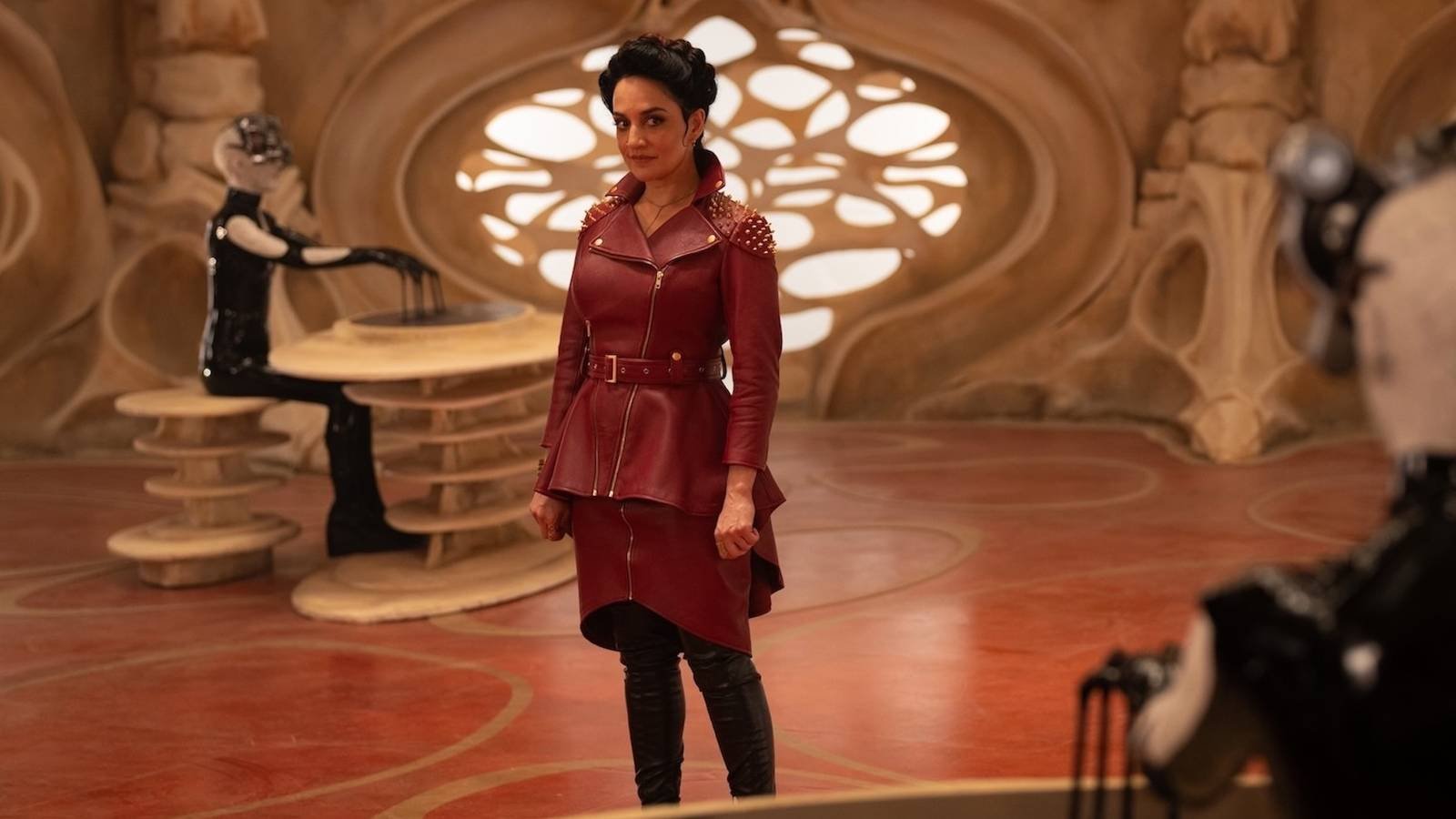
The vast landscape of science fiction entertainment is dotted with groundbreaking series, many of which receive their rightful accolades. Yet, for every widely celebrated classic, there exists a trove of hidden gems – shows that, despite their innovative premises and creative brilliance, somehow slip through the cracks of mainstream recognition. One such forgotten British sci-fi series, remarkably ahead of its time, offers a unique blend that critics and cult fans alike have likened to the satirical wit of *Futurama*, the sprawling temporal adventures of *Doctor Who*, and the distinct comedic flair of *Shaun of the Dead*. This 12-part saga, despite its undeniable qualities and the involvement of a notable talent from the zombie comedy hit, remains criminally underrated decades after its initial broadcast.
A Fusion of Genre Excellence
At its core, this overlooked series masterfully weaves together disparate elements from its celebrated counterparts. The *Futurama* influence is palpable in its sharp, often cynical social commentary and its exploration of futuristic dilemmas through a comedic lens. Characters frequently grapple with bureaucratic absurdities, the perils of technological overreach, and existential crises, all delivered with a distinctively British dry wit. This isn't merely slapstick; it's intelligent humor that prompts reflection even as it elicits laughter, much like the best episodes of Matt Groening’s animated sci-fi satire. The show created a future that was both visually imaginative and humorously dysfunctional, presenting a lived-in universe where advanced technology often led to more problems than it solved for its endearing, if flawed, protagonists.
Complementing this comedic backbone is the sprawling, adventurous spirit reminiscent of *Doctor Who*. The series explores the vastness of space and time, introducing audiences to bizarre alien species, forgotten civilizations, and complex ethical quandaries inherent in traversing unknown realities. Each of its twelve installments likely functioned as a self-contained narrative, yet contributed to an overarching mythology, exploring themes of destiny, free will, and the very fabric of existence. While not explicitly featuring a time-traveling alien in a blue box, the narrative structure, the sense of cosmic wonder, and the philosophical undertones strongly evoke the enduring appeal of the BBC's iconic time lord, challenging viewers to consider humanity's place in an infinite universe.
The Shaun of the Dead Connection and British Humor
The connection to *Shaun of the Dead* isn't just a fleeting reference; it points to a specific comedic sensibility and, crucially, a familiar face from Edgar Wright's beloved horror-comedy. This involvement signals a particular brand of British humor – often self-deprecating, deadpan, and rooted in observational comedy – which permeates the series. While the exact actor remains unspecified in the initial description, their presence undoubtedly anchored the show’s comedic timing and provided a relatable human element amidst the cosmic chaos. This style of humor, often relying on character-driven comedy and sharp dialogue, sets it apart from more overtly slapstick or action-oriented sci-fi, giving it a distinctive voice that resonates with fans of British comedic traditions. The blending of mundane concerns with extraordinary circumstances, a hallmark of *Shaun of the Dead*, is likely a key ingredient in this series' charm.
Why Good Shows Get Lost: The Enigma of Underrated Classics
The question then arises: how does such a uniquely blended, intelligently crafted series end up forgotten? The journey from production to cult classic status, let alone mainstream success, is fraught with challenges. Timing plays a crucial role; some shows are simply ahead of their era, tackling themes or employing narrative styles that audiences aren't quite ready for. Marketing budgets, network support, and distribution channels can also dictate a show's reach. A limited 12-part run, while allowing for focused storytelling, might not have been enough to build significant momentum in a crowded television landscape. Furthermore, niche audiences, while fiercely loyal, often struggle to elevate their beloved shows into broader cultural consciousness without substantial external pushes. This series might have been a victim of these circumstances, a precursor to trends that would find wider appeal years later, but lacked the initial push to capture mass attention.
In an age before streaming services allowed for effortless discovery and binge-watching, shows that aired once and disappeared were often incredibly difficult to revisit or recommend. Unlike today, where a forgotten gem can be revitalized by online communities and platform algorithms, earlier cult hits relied on word-of-mouth and dedicated fanbases often without a central hub for discussion. This particular series, airing decades ago, might have simply been swallowed by the vastness of television history before it had a chance to fully germinate its legacy, existing primarily in the memories of a dedicated few.
Revisiting Old Worlds: Content Aging and Modern Sensibilities
The original analysis of *Doctor Who* astutely points out that some of its best storylines have aged poorly, particularly regarding issues of representation. This brings up a critical challenge for all vintage media: how do we reconcile past creativity with evolving social standards? While fans celebrate *Doctor Who*'s groundbreaking innovations and narrative ambition, it's undeniable that older episodes sometimes feature seriously questionable portrayals or outdated perspectives. This raises the question of how the forgotten 12-part series might fare under a modern lens. Its comedic and satirical approach, influenced by *Futurama* and *Shaun of the Dead*, might provide a buffer, allowing it to critique societal norms of its own time and perhaps even anticipate future discussions on diversity and inclusion.
However, no work is immune to the passage of time. Even the most progressive shows of their era can reveal blind spots when viewed through contemporary critical frameworks. The true test of this series' enduring quality, beyond its initial blend of influences, lies in its ability to spark conversation and engage new viewers, not just as a historical curiosity, but as a piece of relevant storytelling. Its relative obscurity might, in a strange twist, protect it from the intense scrutiny applied to more famous franchises, allowing for a more forgiving reappraisal where its strengths can truly shine without being overshadowed by modern demands for perfection in representation. Discovering how it holds up is part of the appeal of unearthing such a treasure.
The Enduring Appeal of Cult Classics
The enduring fascination with cult classics like this British sci-fi series speaks to a deeper human desire for discovery and appreciation of artistic merit that transcends commercial success. These are the shows that, despite their limited runs or lack of widespread fame, manage to carve out a permanent niche in the hearts of those who find them. They offer unique perspectives, bold storytelling, and often a level of creative freedom not always afforded to mainstream productions. This specific 12-part series, with its ambitious fusion of high-concept science fiction, biting satire, and distinctive British humor, stands as a testament to the fact that groundbreaking television doesn't always come with fanfare, but its impact can resonate for decades among those who are willing to look beyond the obvious. It reminds us that the best stories are sometimes found off the beaten path, waiting to be rediscovered and celebrated for their unique contributions to the genre.
Are you intrigued by the prospect of unearthing more forgotten gems and diving deep into the worlds of sci-fi, comedy, and timeless television? Don't let your journey end here. Explore NAME OF SITE for more in-depth analyses, recommendations, and discussions on cult classics and cutting-edge content across all genres. Your next favorite show might just be a click away!
Fonte: https://screenrant.com