The advent of premium streaming services has ushered in a golden age for genre television, none more profoundly impacted than fantasy. What was once considered a niche interest has blossomed into a mainstream phenomenon, largely thanks to the groundbreaking success of HBO’s *Game of Thrones*. Its unprecedented popularity proved that high-budget, intricate fantasy narratives could captivate a global audience, paving the way for a new wave of ambitious productions. This shift led every major streaming platform, cable network, and even traditional broadcasters to recognize the immense commercial potential of the genre. Today, this fertile ground has given rise to a fiercely competitive landscape, with two titans of fantasy — Amazon Prime Video’s *The Lord of the Rings: The Rings of Power* and HBO Max’s *House of the Dragon* — vying for supremacy. While both shows represent massive investments and considerable critical and commercial success, *The Rings of Power* holds a significant, inherent advantage over its direct competitor, a distinct edge rooted in its foundational lore and brand identity.
The Post-Game of Thrones Fantasy Boom
Before *Game of Thrones*, high-fantasy on television was often relegated to syndicated series or limited-run miniseries with modest budgets. While shows like *Hercules: The Legendary Journeys* and *Xena: Warrior Princess* found cult followings, they rarely achieved the cultural penetration of mainstream dramas. *Game of Thrones* shattered this perception. By adapting George R.R. Martin's intricate novels with a cinematic scope, complex character arcs, and a willingness to embrace mature themes, it redefined what was possible for television. Its success was not merely financial; it cultivated a dedicated global fanbase, spawned countless discussions, and demonstrated that audiences were hungry for immersive, morally ambiguous storytelling within richly imagined worlds. This phenomenon opened the floodgates, prompting an industry-wide scramble to find the next big fantasy hit. Every major player in the entertainment industry recognized that the fantasy genre, when executed with quality and vision, could yield unparalleled returns and significant subscriber acquisition.
The ensuing years saw an explosion of fantasy-themed content, from adaptations of popular book series to original concepts. Netflix launched *The Witcher*, an ambitious adaptation of Andrzej Sapkowski’s novels. Apple TV+ introduced *See* and *Foundation*, blending fantasy and science fiction elements. Disney+ expanded its Star Wars and Marvel universes, which, while sci-fi and superhero-oriented, often borrow heavily from fantasy tropes and world-building techniques. This diversification underscored the industry's belief in the genre's appeal, but also intensified the competition. Audiences now expect not just fantasy, but *epic* fantasy – productions boasting lavish visual effects, grand narratives, and a quality that rivals blockbuster films. This elevated standard became the benchmark against which all new fantasy series, including *The Rings of Power* and *House of the Dragon*, would be judged, creating an environment of immense pressure for creators and significant opportunity for platforms.
The Simultaneous Rise of Two Fantasy Behemoths
In 2022, the rivalry intensified with the near-simultaneous debut of two of the most anticipated and expensive fantasy series ever produced: *House of the Dragon* (August 21) and *The Lord of the Rings: The Rings of Power* (September 1). *House of the Dragon*, a prequel to *Game of Thrones*, returned to the familiar world of Westeros, exploring the Targaryen civil war. It leveraged the established fanbase and critical acclaim of its predecessor, promising more of the political intrigue, dragon spectacle, and complex family drama that viewers had come to expect. Its release was met with strong ratings, reaffirming the enduring power of the *Game of Thrones* brand.
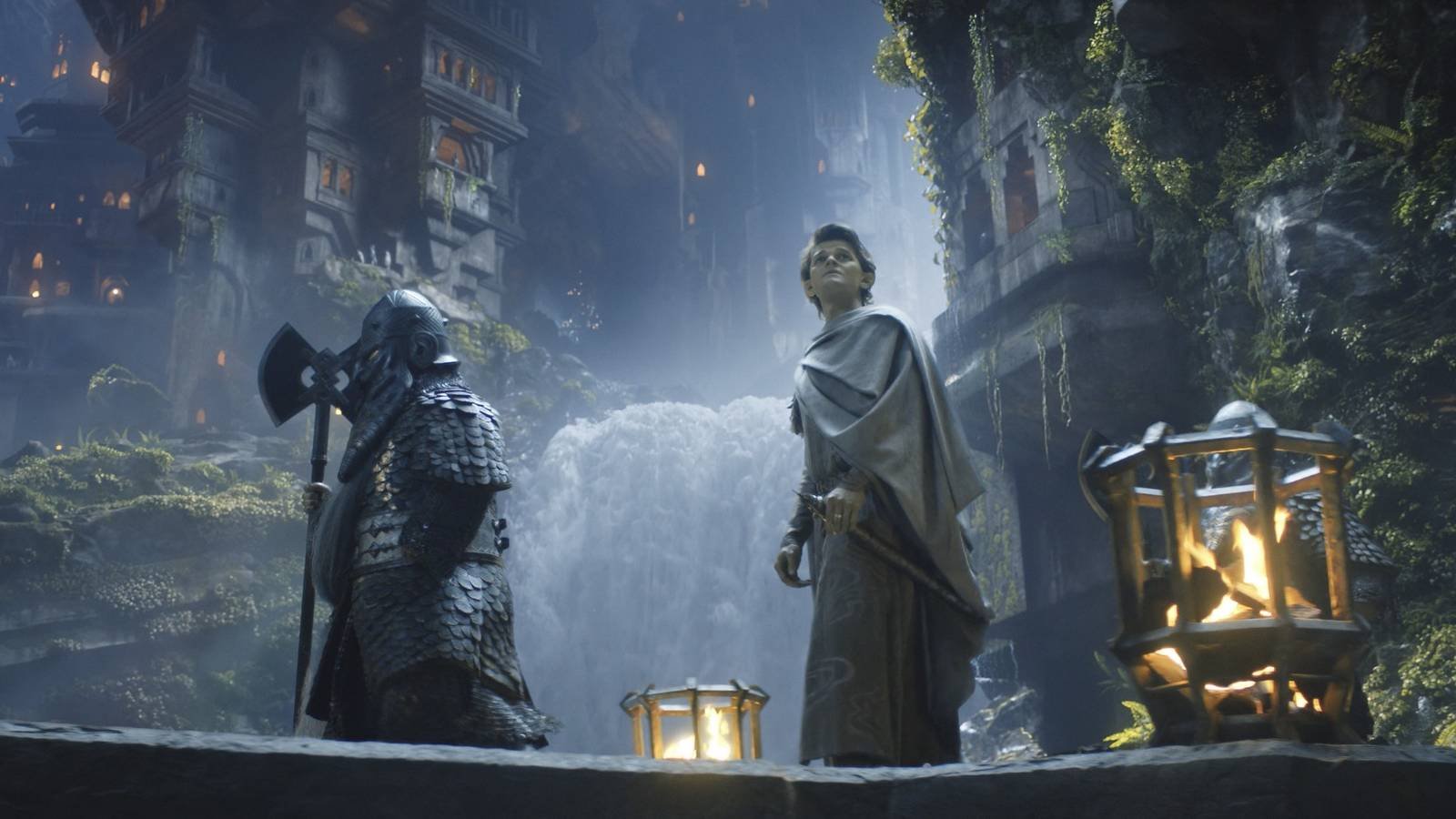
Hot on its heels, *The Rings of Power* dared to venture into J.R.R. Tolkien’s Second Age of Middle-earth, an era largely unexplored on screen, preceding the events of *The Hobbit* and *The Lord of the Rings*. With an unprecedented reported budget exceeding $1 billion for its first five seasons, Amazon signaled its colossal ambitions. The show aimed to expand the beloved universe that Peter Jackson's films had brought to life, captivating a new generation while honoring the intricate lore of Tolkien's writings. Both series attracted immense scrutiny, fervent discussion among fans, and critical dissection, marking a pivotal moment in the ongoing streaming wars where original, high-concept content is king.
The Rings of Power's Unparalleled Tolkien Legacy
Despite *House of the Dragon*'s impressive performance and the built-in audience from *Game of Thrones*, *The Rings of Power* possesses a profound and multifaceted advantage: its direct lineage to J.R.R. Tolkien's Middle-earth. This isn't just about brand recognition, though that is undeniably powerful. It's about the inherent depth, breadth, and enduring cultural impact of Tolkien's entire mythological framework, which provides a unique and almost insurmountable competitive edge.
A Multigenerational, Global Fandom
Tolkien's works, particularly *The Lord of the Rings* trilogy, have transcended mere literature to become a global cultural touchstone. Published over 70 years ago, the books have sold hundreds of millions of copies worldwide and have been translated into dozens of languages. Peter Jackson's film adaptations, beginning in 2001, introduced Middle-earth to an even broader audience, achieving critical acclaim, commercial success, and numerous Academy Awards. This means that *The Rings of Power* doesn't just appeal to a recent generation of fantasy fans; it taps into a multigenerational fanbase, encompassing readers from the mid-20th century, viewers of the early 21st-century films, and new audiences discovering the magic for the first time. This deep, historical connection fosters a sense of collective ownership and anticipation that few, if any, other fantasy properties can replicate.
An Unrivaled Breadth of Lore and Storytelling Potential
Tolkien didn't just write stories; he created a complete mythology, including languages, complex histories, genealogies, and detailed cosmologies documented in works like *The Silmarillion*, *Unfinished Tales*, and *The History of Middle-earth*. This vast, intricate lore provides a seemingly endless wellspring of narrative potential. While *House of the Dragon* is limited to a specific period and a singular family within the already established *A Song of Ice and Fire* universe, *The Rings of Power* has the freedom to explore entire epochs, the rise and fall of kingdoms, the forging of legendary artifacts, and the origins of monumental conflicts. This expansive canvas allows for long-term storytelling and world-building that can span many seasons, introducing new characters, cultures, and threats while remaining authentically connected to the foundational texts. It's a roadmap for longevity that is built into the very fabric of its source material.
Broader Appeal Beyond Niche Demographics
*Game of Thrones* and *House of the Dragon*, while immensely popular, are decidedly adult-oriented, known for their mature themes, explicit content, and often grim realism. While these elements appeal to a significant demographic, they can also limit accessibility for younger audiences or families. Tolkien's Middle-earth, conversely, offers a more inclusive, albeit still epic and sometimes dark, narrative experience. While *The Rings of Power* features mature conflicts and challenging themes, it generally maintains a broader appeal, echoing the accessible yet profound nature of Jackson's films. This allows the series to potentially attract a wider audience demographic, including families and younger viewers who might be deterred by the more explicit nature of its competitors. This wider embrace contributes to a larger, more sustainable potential viewership over the long run, positioning *The Rings of Power* as a cultural touchstone rather than just another hit show.
Looking Ahead: The Future of Fantasy on Streaming
The competition between *The Rings of Power* and *House of the Dragon* symbolizes a pivotal moment in the streaming industry, highlighting the enormous budgets and high stakes involved in producing premium genre content. Both shows face the daunting task of sustaining quality, expanding their narratives, and meeting the sky-high expectations of demanding fanbases. However, *The Rings of Power*'s deep roots in Tolkien's unparalleled mythology provide it with a distinct strategic advantage. Its access to a vast, established universe with multigenerational appeal and a seemingly infinite wellspring of lore positions it not just as a competitor, but as a potential enduring cornerstone of fantasy entertainment for decades to come. This foundation allows it to withstand temporary trends and maintain relevance through the sheer power of its source material, making it a formidable force in the ongoing streaming wars.
Want to delve deeper into the intricate world of Middle-earth, or explore the latest updates from the realm of streaming fantasy? Continue browsing NAME OF SITE for more in-depth analyses, exclusive interviews, and breaking news that keeps you at the forefront of digital entertainment.
Fonte: https://screenrant.com