The landscape of cinematic universes is ever-shifting, but few character arcs carry the weight and scrutiny currently surrounding Superman. A palpable shift has swept through the DC cinematic realm, signaling what many are now calling the definitive end of an era for the iconic Man of Steel. This transition comes into sharp focus following the less-than-stellar box office debut of a recent Supergirl film, an event that appears to have sent significant ripples across the ambitious plans for the new DC Universe (DCU) helmed by James Gunn and Peter Safran.
The stakes couldn't be higher for James Gunn’s upcoming Superman movie. Positioned as the foundational pillar of a reimagined shared universe, its success is not merely desired but essential. After years characterized by controversial creative decisions, mixed critical receptions, and often divisive box office performances within the previous DC Extended Universe (DCEU), the demand for a resounding hit – both critically and commercially – is unprecedented. The performance of a sibling character like Supergirl on the big screen serves as a stark reminder of the challenges and expectations facing the franchise’s hopeful new dawn.
The Fading Echo of an Era: Deconstructing Superman's Recent Past
For many fans, the 'era' that has concluded is intrinsically linked to the vision championed by Zack Snyder, particularly his interpretation of Superman embodied by Henry Cavill. From the brooding intensity of 2013's *Man of Steel* to the sprawling, interconnected narratives of *Batman v Superman: Dawn of Justice* and *Justice League*, this period was marked by a darker, more grounded approach to DC's pantheon. While these films garnered a passionate following and sparked fervent discussions, they also faced significant criticism regarding their tone, characterizations, and storytelling coherence. The fragmented narrative, often influenced by studio interventions and subsequent re-edits, led to an inconsistent fan experience and prevented the universe from achieving the cohesive momentum seen in rival franchises.
Despite Cavill's widespread popularity in the role, the previous incarnation of Superman never quite found stable ground for a consistent solo film series post-*Man of Steel*. This lack of clear direction, coupled with the broader struggles of the DCEU to consistently deliver both critical acclaim and box office success, gradually eroded public confidence. The repeated attempts to recalibrate and restart elements of the universe, often without a fully cohesive long-term strategy, culminated in a sense of narrative exhaustion among audiences. This turbulent history has undeniably set the stage for the current climate, where any new DC project, especially one featuring its flagship hero, is met with a mix of cautious optimism and intense scrutiny.
The Seismic Impact of Supergirl's Box Office Performance
The recent box office performance of the Supergirl film has cast a long shadow over the nascent DCU. While specific details regarding its production budget, marketing spend, and global gross are still being analyzed, early indications suggest a significant underperformance against commercial expectations. This isn't merely a matter of financial returns; it’s a critical barometer of audience interest, market viability, and the perceived health of the larger DC brand. A 'box office bomb' of this nature can trigger a chain reaction, affecting everything from investor confidence to the willingness of distributors to support future projects with substantial marketing budgets.
The ramifications extend beyond the immediate financial losses. A lackluster debut for a character as significant as Supergirl – a direct relation to Superman and a potent symbol of hope – can signal to the general public that the broader DC cinematic brand is still struggling to connect with mainstream audiences. In an era where superhero fatigue is a frequently debated topic, such a misstep reinforces skepticism and makes the task of rejuvenating the universe exponentially harder. It emphasizes that even established characters require fresh, compelling narratives and flawless execution to break through the crowded entertainment landscape, something the new DCU is striving to achieve with its core properties.
James Gunn's DCU: A Universe at a Crossroads
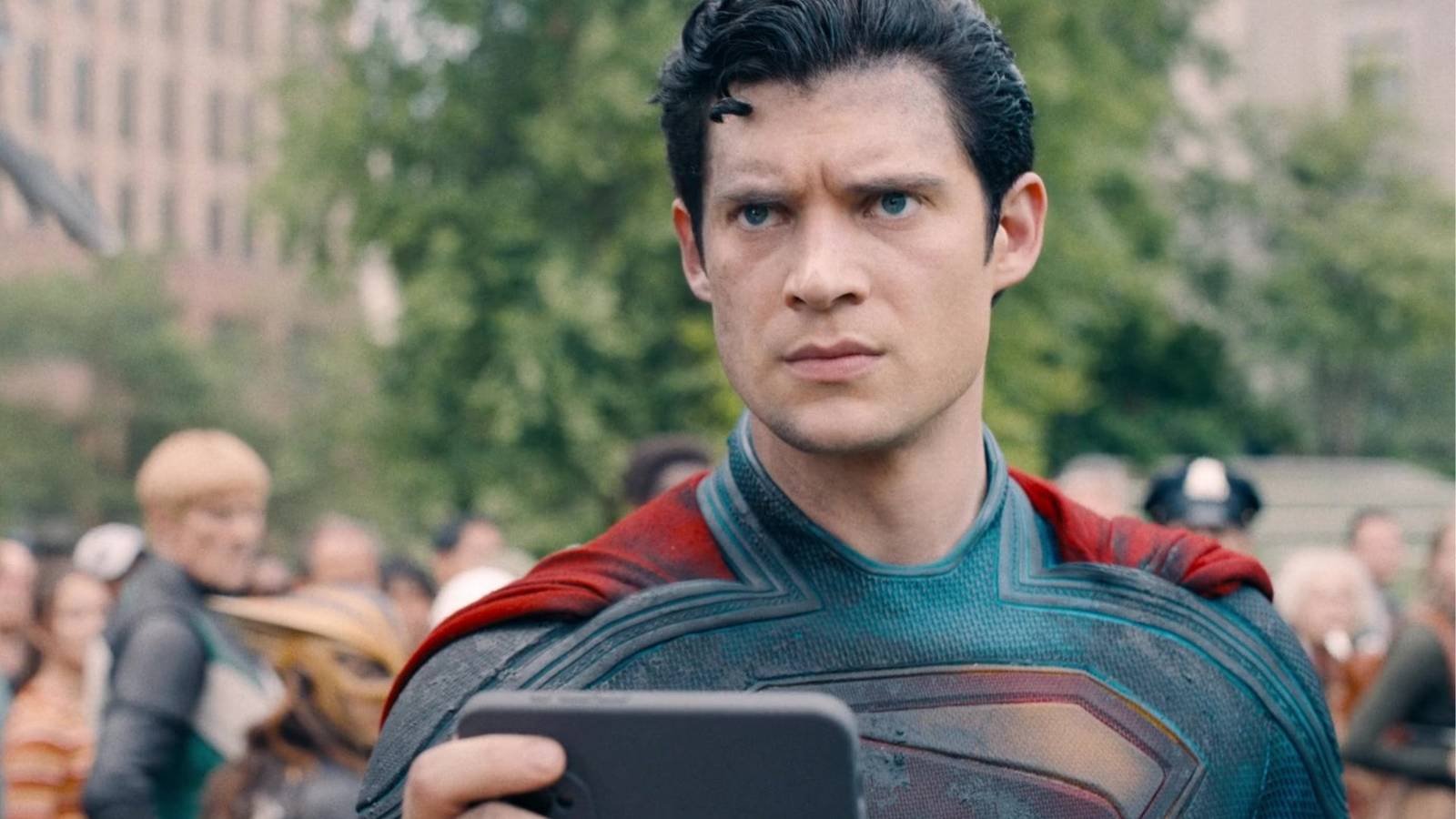
The appointment of James Gunn and Peter Safran as co-CEOs of DC Studios marked a decisive turning point, signaling a comprehensive reboot and a unified creative vision. Their mandate is clear: to construct a cohesive, interconnected DC Universe across film, television, and animation. At the heart of this ambitious endeavor lies Gunn's *Superman*, a film poised not just to introduce a new iteration of the hero, but to establish the tonal, narrative, and thematic foundations for the entire new franchise. Its success is not just about a single movie; it’s about validating the entire creative direction and securing the future of the DCU for years to come.
Lessons from a Troubled Legacy: The DCEU's Tumultuous Journey
The previous DCEU, launched with considerable fanfare, ultimately succumbed to a combination of inconsistent creative oversight and a reactive development strategy. Films often felt disconnected, with disparate tones and conflicting narrative threads. The rapid push to establish a shared universe without first solidifying individual character stories led to a rushed feel and a lack of organic world-building. Studio interference, changing leadership, and public campaigns (such as the 'Release the Snyder Cut' movement) further complicated matters, resulting in a series of films that struggled to consistently resonate with critics or audiences. This turbulent past serves as both a cautionary tale and a stark reminder of the immense pressure on Gunn and Safran to get it right from the outset.
The Blueprint for Success: What Superman Needs to Achieve
For Gunn’s *Superman* to truly succeed, it must achieve a delicate balance. Critically, it needs to be lauded for its storytelling, character development, and directorial vision, demonstrating a clear departure from past missteps while honoring the core essence of the character. Commercially, it requires robust box office performance globally, proving that audience enthusiasm for DC characters can be rekindled and sustained. Beyond these traditional metrics, the film must also foster a sense of excitement and trust among fans, convincing them that this new iteration of the DCU offers a compelling, coherent, and rewarding cinematic experience. It's not just about a movie, but about rebuilding a universe and restoring faith in one of pop culture's most enduring legacies.
The road ahead for Superman and the nascent DCU is undoubtedly challenging, amplified by the recent performance of its cousin. However, with a clear vision and a focus on compelling storytelling, James Gunn’s *Superman* has the potential to not only redefine the character but also to usher in a new era of critical and commercial success for DC Studios. The end of one era often paves the way for a more promising beginning, provided the lessons of the past are truly learned and applied with unwavering commitment.
The future of the DC Universe hangs in the balance, and every development, every film release, holds significant weight. Don't miss out on the latest insights, exclusive interviews, and in-depth analyses as this new chapter unfolds. Continue exploring NAME OF SITE for comprehensive coverage and stay ahead of all the news shaping the world of superheroes.
Fonte: https://screenrant.com