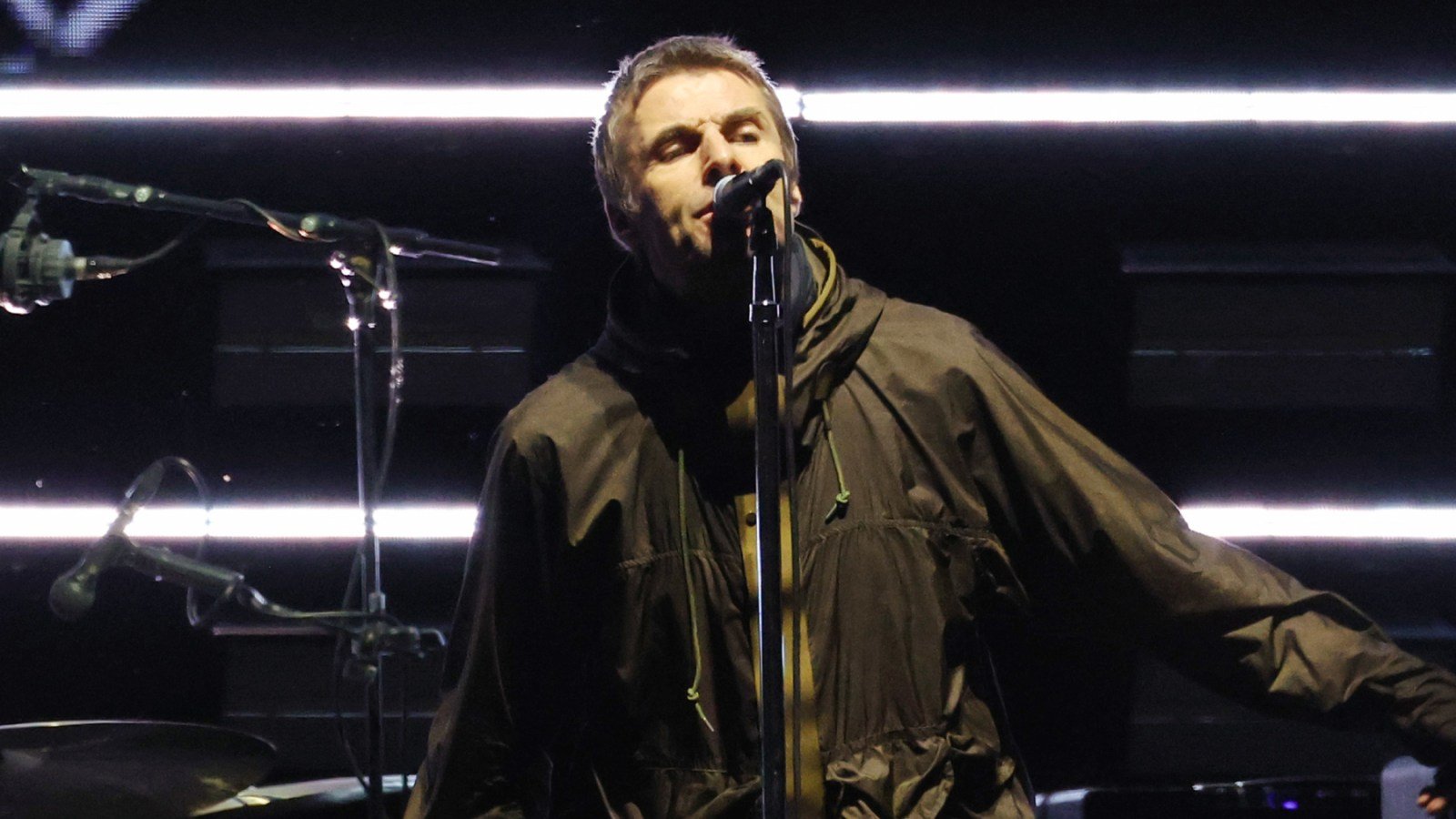
In a characteristic display of his unfiltered candor, British rock icon Liam Gallagher recently delivered a scathing review of a highly anticipated World Cup final halftime show, declaring the spectacle 'like a bad trip.' His succinct, yet impactful, commentary immediately resonated across social media platforms and traditional news outlets, sparking widespread discussion about the intersection of sport, music, and celebrity. The event in question, featuring an all-star lineup including Madonna, Justin Bieber, and Shakira, took place midway through the climactic match between Spain and Argentina, drawing billions of viewers worldwide.
The Global Stage: Immense Expectations for a World Cup Halftime Show
Halftime shows at major sporting events, particularly the World Cup final, are far more than mere intermissions; they are meticulously crafted global spectacles designed to capture the attention of an unparalleled audience. With billions tuning in from every corner of the planet, these performances carry immense pressure to deliver unforgettable moments that transcend the boundaries of sports and entertainment. Organizers often spare no expense, assembling a roster of the world's most prominent musical talents, aiming to create cultural touchstones that will be discussed for years to come. The goal is to blend high-octane sporting drama with equally compelling artistic expression, transforming a brief break in play into a standalone entertainment event that caters to diverse tastes and expectations.
A Star-Studded Lineup Under Intense Scrutiny
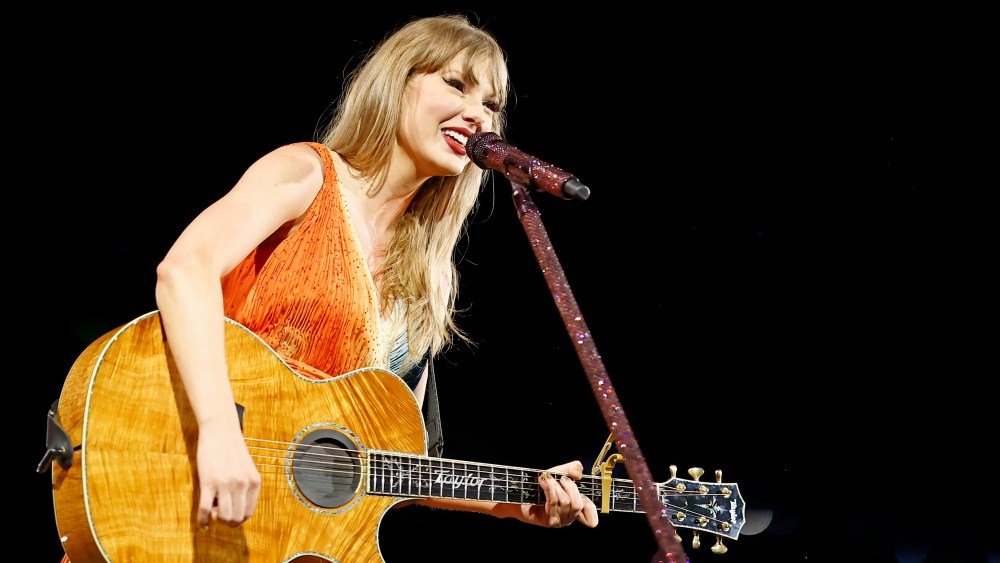
The final match between Spain and Argentina was paused for a halftime show boasting an unprecedented array of musical heavyweights. Madonna, a perennial pop culture chameleon known for her elaborate stage productions; Justin Bieber, a global phenomenon with a devoted fan base; and Shakira, celebrated for her dynamic performances and international appeal, were the headliners. Rumors also circulated about potential surprise appearances from other chart-topping artists, further elevating the anticipation. This concentration of superstar power, while promising an electrifying performance, also inherently invited heightened scrutiny, with every costume change, vocal delivery, and choreographed move subject to immediate global judgment. The sheer magnitude of the talent involved set an exceptionally high bar for cohesion and impact.
However, reports and commentary following the event suggested that the spectacle, despite its star power, struggled with execution. The stage, reportedly a marvel of engineering with multiple moving parts and advanced visual projections, also seemed to contribute to a sense of disarray. Rapid-fire transitions between artists, a medley of hits that felt rushed rather than flowing, and an apparent overreliance on dazzling but potentially overwhelming special effects led some viewers to describe the experience as chaotic. Rather than a seamless blend of performances, the show reportedly came across as a series of disconnected segments, leaving many in the global audience feeling underwhelmed or, as Gallagher succinctly put it, metaphorically disoriented.
Liam Gallagher's Candid Commentary: A History of Unfiltered Opinions
Liam Gallagher, the former frontman of Oasis and a formidable solo artist, has cultivated a reputation over decades for his unapologetically blunt and often humorous critiques of music, popular culture, and just about anything else that crosses his path. His commentary is characterized by a distinctive acerbic wit and a directness that bypasses diplomatic pleasantries. Whether it's a jab at a fellow musician, a political figure, or a major cultural event, Gallagher's remarks rarely go unnoticed. This history of unfiltered, often provocative, statements ensures that anything he says, particularly regarding a high-profile event like the World Cup final, immediately garners significant media attention and sparks passionate discussion among his millions of followers and the broader public. His 'bad trip' comment, therefore, was not merely a casual observation but a headline-grabbing pronouncement from a known arbiter of cultural coolness.
Decoding the 'Bad Trip' Metaphor: What Went Awry?
Gallagher's evocative phrase, 'like a bad trip,' points to more than just mild disapproval; it suggests an experience that was disorienting, perhaps even unsettling. This metaphor can be interpreted in several ways when applied to a large-scale live performance. One possibility is sensory overload, where an excessive barrage of flashing lights, pyrotechnics, loud and conflicting soundscapes, and intricate visual effects overwhelmed the senses rather than engaging them harmoniously. Another interpretation could be a profound lack of cohesion, where the individual segments, despite featuring iconic artists, failed to coalesce into a unified or meaningful artistic statement. Technical glitches, such as audio sync issues, delayed visual cues, or poorly managed stage transitions, could also contribute to a disjointed and frustrating viewing experience. Ultimately, the 'bad trip' suggests a significant artistic misjudgment or execution flaw, where the ambitious vision for the show failed to translate into a coherent and enjoyable reality for the global audience.
The Perils of High-Stakes Entertainment Production
Producing a live entertainment event of the World Cup halftime show's magnitude is an undertaking fraught with immense challenges. Beyond the astronomical budgets and tight timeframes, organizers must contend with the logistical nightmare of setting up and dismantling a massive stage in mere minutes, managing a roster of superstar performers with diverse demands, and ensuring flawless technical execution across complex sound, lighting, and visual systems. The pressure to innovate and surpass previous spectacles often pushes creative and technical boundaries, increasing the potential for unforeseen complications. Furthermore, balancing commercial interests with artistic integrity, while attempting to appeal to a culturally diverse global viewership, adds layers of complexity that can make even the most meticulously planned show susceptible to criticism, regardless of the talent involved.
Public and Critical Reception Beyond Gallagher's View
While Liam Gallagher's biting comment provided a concise summary for many, his sentiment was not entirely isolated. Online forums, social media feeds, and entertainment news columns quickly filled with a spectrum of reactions following the halftime show. Many viewers echoed Gallagher's sense of bewilderment, describing the performance as overproduced, disjointed, or simply failing to live up to the immense hype. Some felt that the individual brilliance of artists like Madonna, Justin Bieber, and Shakira was overshadowed by a chaotic production that prioritized spectacle over substance. Conversely, a significant portion of the audience and some critics defended the show, praising its ambition, the sheer star power on display, and the technical marvel of its execution. They argued that the eclectic mix of genres reflected the global nature of the World Cup and offered something for everyone, even if it wasn't universally loved. The debate underscored the subjective nature of artistic appreciation, especially on such a grand, internationally televised stage where expectations are astronomically high and tastes are incredibly varied.
The Enduring Debate: Music, Sport, and Spectacle
The discussion ignited by Liam Gallagher's 'bad trip' comment ultimately feeds into a larger, ongoing debate about the role and effectiveness of musical performances at major sporting events. Are these halftime shows an essential component of modern sports entertainment, providing a cultural counterpoint to the athletic competition, or are they an often-distracting, commercially driven spectacle that detracts from the purity of the game? Events like the Super Bowl halftime show in the United States routinely face similar scrutiny, with their blend of pop culture, elaborate production, and corporate sponsorship constantly under review. The challenge lies in creating a performance that is not only entertaining but also culturally resonant, technically flawless, and emotionally impactful enough to satisfy a truly global and incredibly diverse audience, all within a fleeting timeframe. The incident serves as a potent reminder of the precarious balance between artistic ambition and the practical realities of live, high-stakes entertainment production.
Liam Gallagher's direct critique of the World Cup halftime show, though brief, has certainly added a potent voice to the ongoing conversation about how these mega-events are perceived and produced. Whether you agreed with his assessment or felt the show was a triumph, the dialogue it fostered highlights the passionate connection between fans, music, and the world's biggest sporting stages. For more insightful analyses of celebrity commentary, comprehensive reviews of global cultural events, and in-depth sports entertainment news, continue exploring the rich content available right here on NAME OF SITE.
Fonte: https://www.rollingstone.com