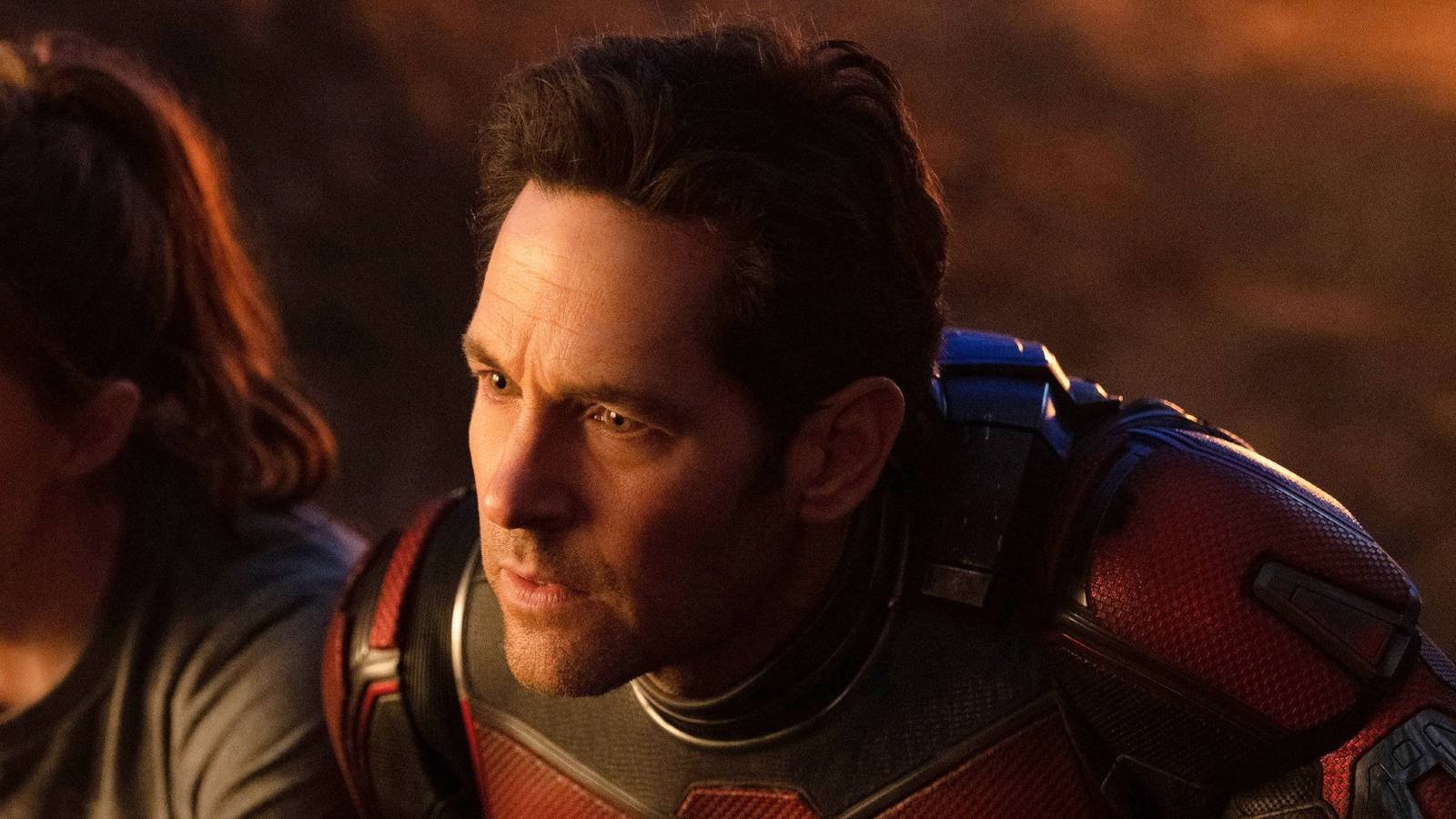
The landscape of the Marvel Cinematic Universe (MCU) has grown increasingly complex, with audience expectations and critical reception scrutinizing each new entry. Following the theatrical run of <i>Ant-Man and the Wasp: Quantumania</i>, which concluded with a global box office tally of approximately $476 million, conversations naturally turned to the future of Scott Lang and his superhero family. While these figures might seem substantial on their own, for a tentpole MCU production with a reported budget of $200 million (excluding extensive marketing costs), they signified a significant underperformance. Amidst the swirling speculation regarding the franchise's trajectory, one of its central figures, Evangeline Lilly, who portrays Hope van Dyne (The Wasp), offered a nuanced perspective on the prospects of a potential <i>Ant-Man 4</i>, providing a glimmer of hope for fans.
The Unpacking of Quantumania's Box Office Performance
To fully appreciate the context of Lilly's comments, it is crucial to delve into the financial realities of <i>Ant-Man and the Wasp: Quantumania</i>. Released as the inaugural film of MCU's Phase 5, the movie carried immense narrative weight, specifically introducing Kang the Conqueror as the saga's new overarching antagonist. Despite this pivotal role, its box office performance fell considerably short of studio projections. With a global gross of around $476 million against its production budget, the film barely crossed the commonly accepted threshold for profitability, which typically requires a film to earn at least 2.5 to 3 times its production budget to cover marketing, distribution, and exhibitor splits. This figure places <i>Quantumania</i> as one of the lowest-grossing MCU films to date, excluding pandemic-affected releases like <i>Black Widow</i>.
The contributing factors to this financial shortfall are multifaceted. Initial critical reviews were predominantly negative, with many reviewers citing a lackluster plot, underdeveloped characters, and a reliance on CGI over emotional depth. This critical sentiment often translates into diminished audience interest and weaker word-of-mouth, which is particularly detrimental in the lucrative second and third weeks of a film's theatrical run. Furthermore, a perceived sense of 'superhero fatigue' among audiences, coupled with a dense release schedule from Marvel Studios, may have also played a role in dampening enthusiasm. Unlike its predecessors, which often enjoyed stronger critical and commercial successes, <i>Quantumania</i> struggled to find its footing, ultimately resulting in a significant financial disappointment for Disney and Marvel Studios.
Evangeline Lilly's Measured Optimism
In the wake of <i>Quantumania</i>'s underperformance, the question of whether a fourth installment would materialize became a significant talking point among fans and industry analysts. Evangeline Lilly, a veteran of the franchise, addressed these concerns directly, offering what many interpreted as a 'somewhat positive update.' While she did not confirm any official plans for <i>Ant-Man 4</i>, her remarks suggested that the decision was not entirely off the table. Lilly indicated that Marvel Studios values fan feedback and is keenly aware of both the successes and shortcomings of its releases. Her perspective highlighted a commitment to quality and audience engagement, implying that future projects would be carefully considered based on these factors.
Lilly's commentary often reflects a pragmatic understanding of Hollywood's dynamics. Rather than offering false hope or definitive statements, her approach was to acknowledge the uncertainties while emphasizing the ongoing dialogue within Marvel Studios about the creative direction of its properties. This stance can be interpreted as a subtle assurance that if <i>Ant-Man 4</i> were to happen, it would likely emerge from a renewed strategic vision, potentially addressing the criticisms levied against its predecessor. Her remarks subtly underlined the fluid nature of franchise development, where studio executives and creative teams continuously evaluate market conditions, narrative potential, and actor availability.
Implications for the Ant-Man Franchise and the Broader MCU
The performance of <i>Quantumania</i> carries significant implications not only for the Ant-Man sub-franchise but also for the wider Multiverse Saga. The film's primary objective was to firmly establish Kang the Conqueror as the next major threat to the MCU, a role previously held by Thanos. The mixed reception to both the film and Kang's portrayal within it, however, complicated this strategic rollout. Marvel Studios now faces the challenge of re-energizing audience excitement for Kang and Phase 5, possibly necessitating adjustments to their planned narrative arcs and character introductions.
For the Ant-Man series specifically, the path forward is less clear. Traditionally, many MCU heroes receive a trilogy, with few extending beyond that in standalone films, although characters frequently appear in ensemble projects. The financial underperformance of <i>Quantumania</i> may compel Marvel to re-evaluate whether a direct sequel is the most prudent course of action. Alternatively, Scott Lang and Hope van Dyne could transition into supporting roles in future Avengers films or other team-up projects, allowing their story to continue without the pressure of leading another standalone feature. The character of Cassie Lang, introduced as a burgeoning hero in <i>Quantumania</i>, also presents an avenue for continued narrative development, potentially within a younger generation of Avengers.
Navigating the Multiverse Saga Amidst Challenges
The Multiverse Saga, which encompasses Phases 4, 5, and 6 of the MCU, aims to explore alternate realities and introduce increasingly complex cosmic threats. <i>Quantumania</i> was a foundational piece of this ambitious narrative. Its box office struggles, however, highlight a broader challenge Marvel Studios is currently navigating: maintaining audience engagement amidst a vast, interconnected storyline and a rapid production pace. The studio has openly acknowledged the need to recalibrate its approach, focusing on quality over quantity and ensuring that each story feels essential and impactful. This period of re-evaluation suggests that any decision regarding <i>Ant-Man 4</i> will be made with careful consideration of its potential to elevate the overall quality and narrative cohesion of the MCU, rather than simply fulfilling a contractual obligation.
Ultimately, while Evangeline Lilly's remarks may not have provided a definitive 'yes' to <i>Ant-Man 4</i>, they do reflect a studio that is responsive to its audience and committed to strategic planning. The future of the Ant-Man franchise, and indeed much of the MCU, will depend on creative rejuvenation and a renewed focus on compelling storytelling that resonates with both long-time fans and new viewers. The journey through the Multiverse is still unfolding, and how Marvel chooses to integrate its diverse roster of characters, including Ant-Man and the Wasp, into this grand tapestry remains a pivotal point of interest for the coming years.
The evolving narrative of the Marvel Cinematic Universe offers endless discussion points and critical analyses. To stay abreast of the latest developments, deep dives into film economics, character arcs, and exclusive industry insights, be sure to continue exploring the extensive content available right here on NAME OF SITE. We're committed to bringing you the most comprehensive and engaging coverage from the world of cinema and beyond.
Fonte: https://screenrant.com