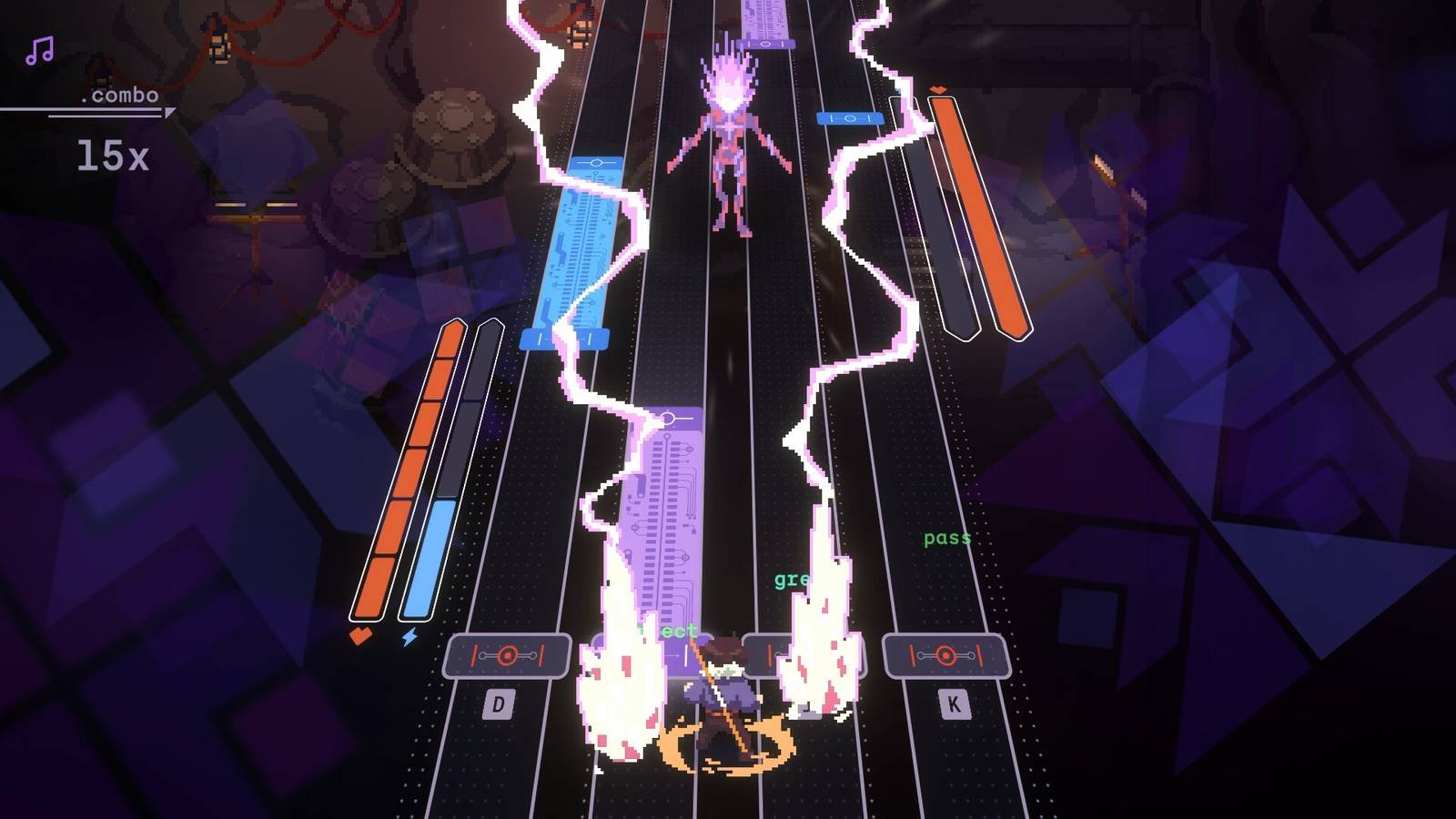
The gaming landscape is constantly evolving, with developers frequently pushing the boundaries of established genres. Rarely, however, do we see such a bold and intriguing fusion as the one currently making waves: a brand-new rhythm-based RPG that seemingly marries the epic storytelling and character depth of Final Fantasy with the electrifying, note-matching action of Guitar Hero. This innovative title, now available for free play, promises a fresh perspective on what role-playing games can be, inviting players to experience their adventure through the beat of a drum and the strum of a guitar.
The Enduring Legacy of Final Fantasy on RPGs
For decades, the Final Fantasy series has stood as a monumental pillar in the realm of role-playing games. From its humble beginnings on the NES, it captivated audiences with its groundbreaking narratives, complex character arcs, and innovative combat systems. Early iterations pioneered turn-based tactical combat, introducing concepts like Active Time Battle (ATB) that added a dynamic layer of real-time strategy to traditionally static encounters. Beyond mechanics, Final Fantasy excelled in world-building, crafting sprawling continents, diverse cultures, and memorable mythologies that resonated deeply with players, inspiring countless other RPGs to follow suit.
The series' influence isn't just about mechanics or lore; it's also about pushing cinematic presentation and emotional storytelling in games. Iconic soundtracks, often composed by industry legends like Nobuo Uematsu, became integral to the experience, elevating moments of triumph and tragedy alike. This blend of compelling narrative, strategic gameplay, and immersive audiovisual design propelled Final Fantasy into mainstream recognition, making it a blueprint for what a console RPG could aspire to be. Its legacy is etched into the DNA of the genre, proving that deep character progression and an engrossing saga can be just as thrilling as any action game.
The Rhythmic Revolution of Guitar Hero
On the other side of the gaming spectrum lies Guitar Hero, a cultural phenomenon that redefined rhythm games and brought simulated rock stardom to living rooms worldwide. Emerging in the mid-2000s, it simplified the complex act of playing a guitar into an accessible, five-button interface, allowing millions to feel the thrill of shredding solos and nailing power chords. Its success lay not only in its innovative plastic guitar peripherals but also in its carefully curated setlists, featuring a wide array of rock anthems that appealed to casual players and seasoned musicians alike.
Guitar Hero’s impact was profound. It fostered social gaming, turning solo experiences into competitive or cooperative parties. It also highlighted the power of music as a core gameplay driver, demonstrating how timing, precision, and a strong beat could create an intensely satisfying and addictive loop. While its mainstream popularity eventually waned, the fundamental principles it established – responsive musical inputs, score-based performance, and a strong connection between player action and auditory feedback – remain cornerstones of the rhythm game genre, proving that the joy of music can be a powerful interactive force.
The Unprecedented Collision: Rhythm RPG Explained
The idea of combining the narrative richness and character progression of Final Fantasy with the timing-based challenge of Guitar Hero is, on paper, a radical proposition. This new rhythm RPG endeavors to fuse these disparate elements into a cohesive experience, offering a novel approach to combat, exploration, and character interaction. Imagine a world where your spellcasting isn't merely a menu selection but a perfectly executed sequence of notes, or where a critical sword strike relies on hitting a precise beat rather than a button mash. This fusion has the potential to elevate immersion by directly linking player skill and musicality to the unfolding epic.
The core innovation lies in how the game integrates rhythm mechanics into traditional RPG systems. Combat scenarios could transform into interactive musical battles, where character abilities are tied to successful rhythmic inputs. Think of a powerful summon requiring a complex drum solo to unleash its full potential, or a healing spell needing a soothing chord progression to restore HP. This not only makes every battle a unique, active challenge but also gives players a visceral connection to the power their characters wield, demanding both strategic thought and rhythmic precision.
Hypothetical Gameplay Mechanics and Story Integration
Beyond combat, a rhythm RPG could weave its unique mechanics into the very fabric of its world. Environmental puzzles might require players to replicate a melody or a rhythm to open doors or activate ancient mechanisms. Dialogue choices could be influenced by a rhythm mini-game, where successful timing leads to more persuasive arguments or unlocks hidden lore. Character progression would likely integrate performance metrics from rhythmic challenges, perhaps granting bonus experience or unlocking special 'rhythm skills' that enhance combat or exploration. The narrative itself could be driven by musical themes, with specific leitmotifs representing characters, locations, or even plot points, intensifying the emotional impact as the story unfolds.
The potential for a deeply intertwined soundtrack is also immense. Imagine a dynamic score that adapts to your performance, intensifying with perfectly timed inputs or subtly faltering with mistakes. This constant feedback loop, intrinsic to rhythm games, could create an unparalleled sense of engagement in an RPG context, making every quest feel like a performance and every victory a grand crescendo.
The Free-to-Play Model: Accessibility and Innovation
The decision to launch this innovative title as a free-to-play experience is a strategic move that significantly lowers the barrier to entry for a concept as novel as a rhythm RPG. This model allows a wider audience to experiment with the unique blend of genres without an initial financial commitment, encouraging players who might be hesitant about such an unconventional fusion to give it a try. For a game that challenges established norms, accessibility is key to building a robust community and gathering valuable feedback.
Typically, free-to-play games sustain themselves through various monetization strategies, such as cosmetic items, battle passes, or optional expansions. This approach could allow the developers to continually add new songs, characters, story chapters, and rhythmic challenges, ensuring longevity and evolving content. It provides a flexible framework for growth, allowing the game to adapt and expand based on player engagement and preferences, while maintaining its core experience free for everyone.
The Future of RPGs and Genre Innovation
The emergence of titles like this rhythm RPG underscores a broader trend in the video game industry: a persistent drive for innovation and genre hybridization. While Final Fantasy has undoubtedly set many templates, its enduring legacy also encourages developers to explore, iterate, and, in some cases, even surpass its foundational ideas. This willingness to experiment with established formulas is what keeps the RPG genre vibrant and relevant, continuously offering fresh experiences to players who might otherwise grow weary of conventional mechanics.
From indie darlings pushing narrative boundaries to AAA studios experimenting with open-world design and combat systems, the spirit of evolution is alive and well. This new rhythm RPG is a testament to the fact that there are still countless unexplored avenues in game design, proving that creativity, when unleashed, can result in truly unique and memorable interactive journeys. It's a reminder that the most exciting innovations often come from unexpected collisions of ideas, challenging players to engage with games in entirely new ways.
This bold new rhythm RPG offers an exciting glimpse into the future of genre-blending in video games. Whether you're a long-time Final Fantasy enthusiast, a rhythm game maestro, or simply curious about where interactive entertainment is heading, this free-to-play title is definitely worth exploring. Dive in now and discover how the power of music and storytelling unite in an unforgettable adventure. For more in-depth analyses, reviews, and news on the latest gaming innovations, keep browsing NAME OF SITE, your ultimate source for digital journalism and expert content.
Fonte: https://screenrant.com