For over six decades, one of the most foundational images in comic book history, the iconic cover of Marvel Comics' *Fantastic Four #1*, has held a secret. This seminal artwork, which launched what we now recognize as the Marvel Universe, has been revered by generations of fans and creators alike. Its dramatic composition, featuring the fledgling team battling a monstrous rock creature, has become synonymous with the dawn of the Marvel Age. However, recent revelations, brought to light through advanced digital archival techniques, have dramatically altered our understanding of this legendary piece, exposing a hidden detail that has remained unseen for 65 years. This discovery doesn't merely add a footnote to history; it recontextualizes the very genesis of Marvel's most famous superheroes, inviting a fresh perspective on the creative process behind a cultural phenomenon.
The Enduring Legacy of Fantastic Four #1
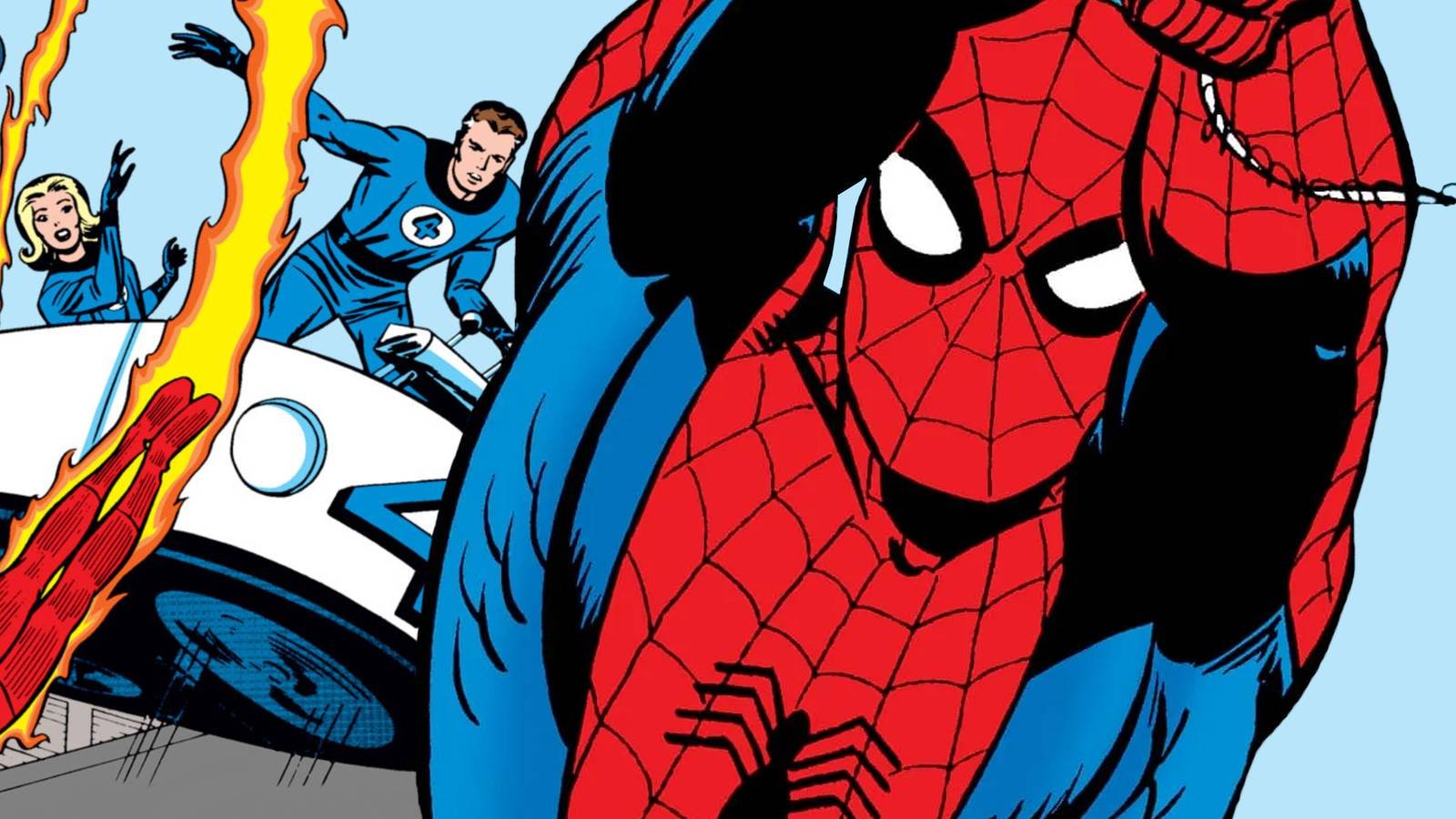
Published in November 1961, *Fantastic Four #1* was more than just another comic book; it was a defiant statement that reshaped the landscape of sequential art. In an era dominated by established giants, Stan Lee and Jack Kirby dared to introduce a new kind of superhero team – one characterized by internal squabbles, human flaws, and relatable dilemmas, alongside their extraordinary powers. This innovative approach resonated profoundly with readers, marking a distinct departure from the more idealized heroes of previous generations. The cover itself, penciled by the legendary Jack Kirby, captured this ethos perfectly. It depicted the Fantastic Four – Mr. Fantastic, Invisible Girl, Human Torch, and The Thing – bursting from a subterranean chamber, confronted by a colossal monster, all rendered with Kirby's unparalleled dynamic energy. This imagery wasn't just visually striking; it encapsulated the adventurous, slightly chaotic spirit that would define Marvel Comics for decades to come, laying the groundwork for countless characters and narratives that followed.
A New Era Begins for Comic Storytelling
Prior to *Fantastic Four #1*, the comic book industry was largely in a state of transition following the Golden Age. While superhero comics had seen a resurgence, particularly with DC Comics' Silver Age revivals, Marvel, then known as Atlas Comics, was struggling to find its unique voice. Stan Lee, then editor-in-chief, was tasked with creating a new superhero team, and with Jack Kirby, they forged a new path. Kirby's pencils for the first issue's cover were revolutionary, imbued with a sense of urgency and power that instantly drew readers in. The raw, visceral energy he brought to the page established a visual language that became intrinsically linked with Marvel's identity. This cover didn't just sell an issue; it sold an entire universe, signaling the birth of a publishing powerhouse and inspiring generations of artists and writers to explore the complex interplay between superhuman abilities and deeply human drama. It set the stage for iconic characters like Spider-Man, the Avengers, and the X-Men to emerge, each carrying the DNA of the *Fantastic Four*'s groundbreaking debut.
The Unveiling of a Sixty-Year-Old Secret
The recently disclosed secret involves a previously unseen element within Kirby's original pencil artwork for the *Fantastic Four #1* cover. For decades, the published version, and even widely circulated reproductions of the original art, depicted the team facing a monstrous, rocky adversary. However, through meticulous digital restoration and enhancement techniques, a hidden detail has been brought to light: an additional, fully-penciled figure concealed behind the monster. This figure, distinct from the visible antagonist, suggests a more complex initial vision for the cover's composition or an element that was deliberately, or inadvertently, omitted during the inking and coloring process. The process involved advanced imaging technologies that can penetrate layers of ink, paper, and even subtle changes in pencil pressure, akin to archaeological digs revealing ancient secrets, but applied to comic art.
The Artistry of Jack Kirby and the Creative Process
Jack Kirby's legendary reputation as the 'King of Comics' is well-deserved, stemming from his prodigious output and visionary artistic contributions. His method often involved dynamic, raw pencils that would then be inked by others, a common practice in comic book production. This division of labor, while efficient, sometimes led to slight alterations or interpretations of the original pencils. The discovery of this hidden figure offers a rare glimpse into Kirby's initial creative impulses and the iterative nature of comic art production. It prompts fascinating questions: Was this figure an earlier concept for the monster, later refined? Was it a separate character intended to be part of the scene, perhaps one of Doctor Doom's creations, that was deemed extraneous or too busy for the final cover? The revelation underscores the idea that even the most iconic artworks possess layers of artistic decision-making, some of which only surface through modern forensic art techniques, offering new dimensions to understanding the 'King's' artistic process.
Implications for Comic History and Fandom
The exposure of this long-held secret carries significant implications for comic book historians, art enthusiasts, and devoted fans. It fundamentally alters the perception of one of Marvel's most important covers, demonstrating that even canonical images can hold untold stories. This discovery not only enriches our understanding of *Fantastic Four #1* but also opens a broader discussion about the integrity and evolution of comic book art. It highlights how digital preservation and enhancement tools are revolutionizing the study of historical art, allowing us to see beyond the surface of published works and delve into the minds of their creators with unprecedented clarity. For fans, it's a thrilling peek behind the curtain, a reminder that the medium continues to surprise and evolve, even as its past is re-examined.
The Future of Comic Archiving and Discovery
This groundbreaking discovery with *Fantastic Four #1* is likely just the beginning. As technology advances, the potential for uncovering similar hidden details within other classic comic artworks grows exponentially. Digital archiving initiatives are becoming increasingly sophisticated, employing high-resolution scanning, spectral analysis, and AI-driven image processing to preserve and analyze original art. These methods can reveal faint pencil lines, white-out corrections, paste-up elements, and even artists' notes that were never intended for public view. This technological frontier promises to unearth countless more secrets, offering new insights into the creative processes of legendary artists and writers, and enriching the historical narrative of an entire art form. The future of comic history is not just about new stories, but also about rediscovering the forgotten narratives embedded within the art of the past.
This remarkable revelation concerning *Fantastic Four #1* is a testament to the enduring depth and rich history of comic books, proving that even after decades, there are always new layers to uncover. Dive deeper into the fascinating world of pop culture, explore untold stories, and stay informed on the latest developments by continuing to browse NAME OF SITE. We are dedicated to bringing you comprehensive analyses and exclusive insights that connect you to the heart of every narrative.
Fonte: https://screenrant.com