Stephen King's literary universe is vast, largely characterized by its chilling exploration of fear and the supernatural. Yet, within his prolific body of work, there exists a remarkable breadth that extends far beyond the confines of horror. Many of his novels have been adapted into critically acclaimed films, with some of the most celebrated steering clear of traditional genre conventions. Among these, Rob Reiner’s 1986 cinematic adaptation of King’s novella “The Body,” titled *Stand By Me*, stands as an enduring testament to his versatility and the profound emotional depth he can evoke. Even four decades after its release, this poignant tale of childhood friendship, loss, and the bittersweet transition to adulthood continues to resonate, firmly establishing itself as Stephen King's finest non-horror cinematic achievement, irrespective of popular online rankings.
The Enduring Resonance of 'Stand By Me'
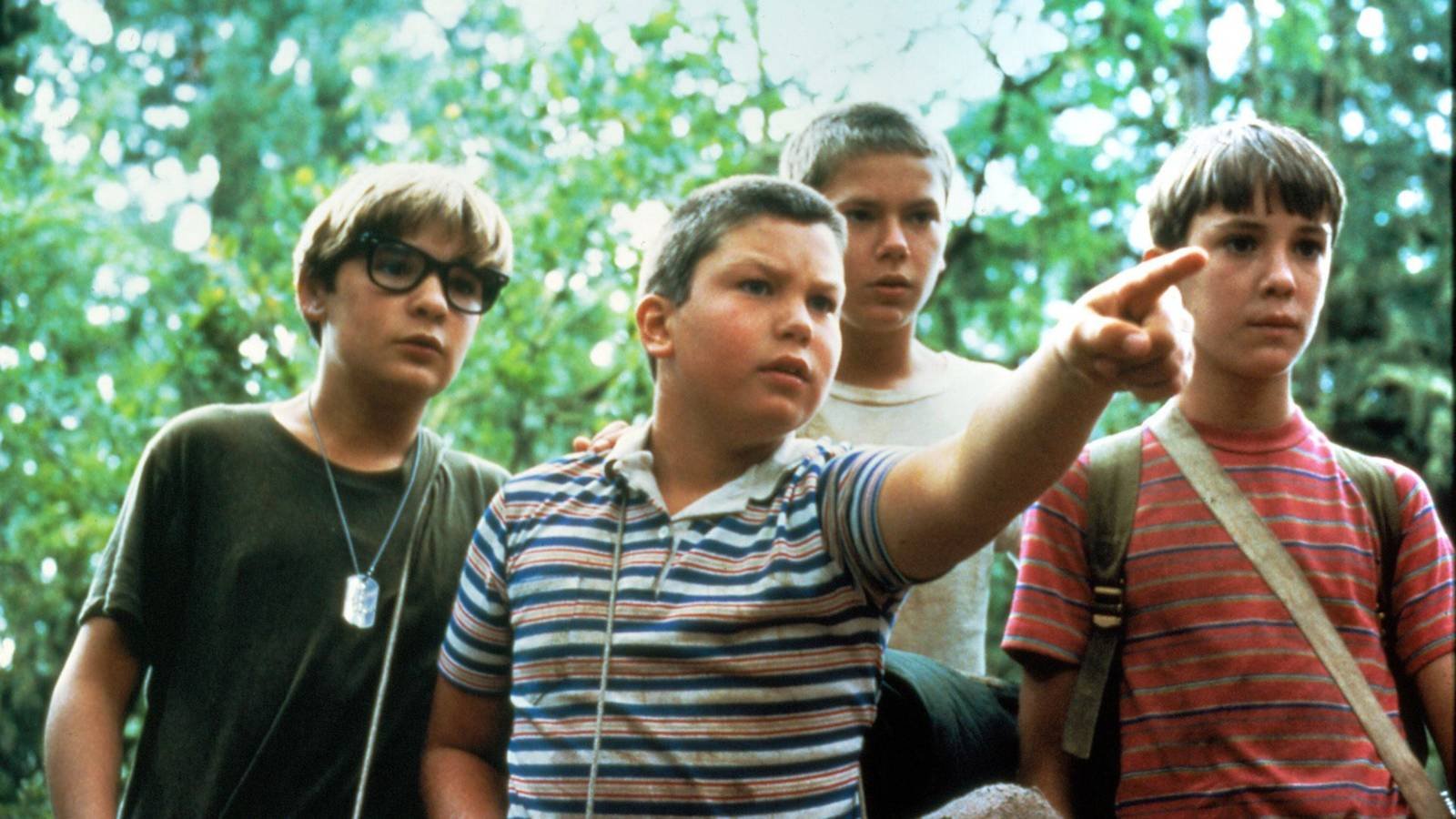
Released in 1986, *Stand By Me* transports audiences to the summer of 1959 in Castle Rock, Oregon, following four inseparable friends—Gordie Lachance, Chris Chambers, Teddy Duchamp, and Vern Tessio—on a quest to find the body of a missing boy. This seemingly morbid premise quickly unfolds into a deeply moving coming-of-age story that captures the essence of youth, the complexities of friendship, and the painful realities of growing up. The film meticulously crafts an atmosphere of nostalgia, depicting a time of innocence punctuated by moments of harsh awakening. Director Rob Reiner expertly translated King's novella, preserving its raw emotion and authentic dialogue, making the characters feel incredibly real and their journey universally relatable. The performances from its young cast, particularly River Phoenix as the troubled but loyal Chris Chambers, are nothing short of remarkable, grounding the narrative with genuine vulnerability and youthful exuberance that belies their age.
Stephen King's Genre-Defying Prowess
While Stephen King is synonymous with horror, his true genius lies in his ability to delve into the human condition across a multitude of genres. His stories often explore themes of morality, justice, trauma, and the societal pressures that shape individuals, irrespective of whether a supernatural entity is present. This profound understanding of human nature allows his non-horror narratives to achieve a particular depth and resonance. He frequently uses small-town America as a microcosm for broader societal issues, stripping away the fantastical elements to reveal the inherent drama, tragedy, and triumphs of everyday life. This versatility is not merely a deviation; it is a core component of his literary identity, proving that the fear he often explores is rooted in very real human anxieties and experiences.
A Pantheon of Non-Horror Gems
King's non-horror film adaptations boast an impressive roster, with several achieving iconic status. Frank Darabont's *The Shawshank Redemption* (1994) is frequently cited as one of the greatest films ever made, a powerful narrative of hope and perseverance in the face of injustice. Darabont also directed *The Green Mile* (1999), another impactful drama exploring themes of supernatural ability, racism, and capital punishment with a poignant touch. Films like *Dolores Claiborne* (1995) offer a gripping psychological thriller centered on mother-daughter relationships and abuse, while even last year's *The Life of Chuck* ventured into profound dramatic territory. These films are undeniable masterpieces, showcasing King's range and the skill of filmmakers who translate his vision. However, what sets *Stand By Me* apart is its singular focus on the fragile beauty of childhood and the irreversible impact of early experiences, a theme it explores with unparalleled tenderness and authenticity.
Childhood, Loss, and the Unbreakable Bond of Memory
*Stand By Me* is a powerful meditation on nostalgia and the passage of time. The film is framed by an adult Gordie Lachance reflecting on his childhood, imbuing every scene with a bittersweet quality. It captures the unique vulnerability and fierce loyalty that define friendships forged in youth, bonds that often shape who we become. The boys’ journey to find the body is not just a physical trek but a symbolic rite of passage, forcing them to confront their fears, their nascent identities, and the harsh realities of death and mortality. It’s a story about the profound loneliness that can accompany childhood, the need for connection, and the devastating pain of losing someone who truly understood you. The film doesn't offer easy answers, instead opting for a raw, honest portrayal of how early experiences, both joyful and traumatic, leave indelible marks on the soul.
Navigating Popular Opinion: The IMDb Perspective
When discussing the 'best' films, public opinion aggregators like IMDb often play a significant role. While *The Shawshank Redemption* frequently tops user-generated lists, including IMDb's coveted top 250, the definition of 'best' is inherently subjective and often depends on the criteria applied. While *Shawshank* is a monumental achievement in prison drama, *Stand By Me* excels in its specific exploration of childhood and coming-of-age. Its raw emotional impact, brilliant dialogue, and the haunting beauty of its themes speak to a different, perhaps more intimate, aspect of the human experience. IMDb ratings, while valuable for gauging broad popularity, may not always capture the nuanced, artistic merits that define a film’s lasting cultural and emotional resonance. *Stand By Me* doesn't aim for the sweeping epic scale of some other King adaptations; instead, it crafts a profoundly personal and unforgettable narrative that burrows deep into the viewer's psyche, leaving a lasting impression that transcends simple ratings.
Forty years on, *Stand By Me* continues to hold a mirror to the universal experience of growing up, the enduring power of friendship, and the quiet ache of nostalgia for a time that can never be reclaimed. It is a masterpiece not just because it’s a great film, but because it perfectly encapsulates the melancholic beauty of Stephen King's non-horror storytelling, proving that his deepest fears often lie not in monsters, but in the fragile intricacies of the human heart. For its unparalleled emotional depth, stellar performances, and timeless narrative, it unequivocally earns its place as the definitive non-horror adaptation from the master storyteller.
Dive deeper into the world of film adaptations and explore more thought-provoking analyses of cinematic masterpieces. Continue browsing NAME OF SITE for exclusive content, expert reviews, and engaging articles that bring the magic of movies to life.
Fonte: https://screenrant.com